Fix Master Appliances

Author: FixMaster Dubai

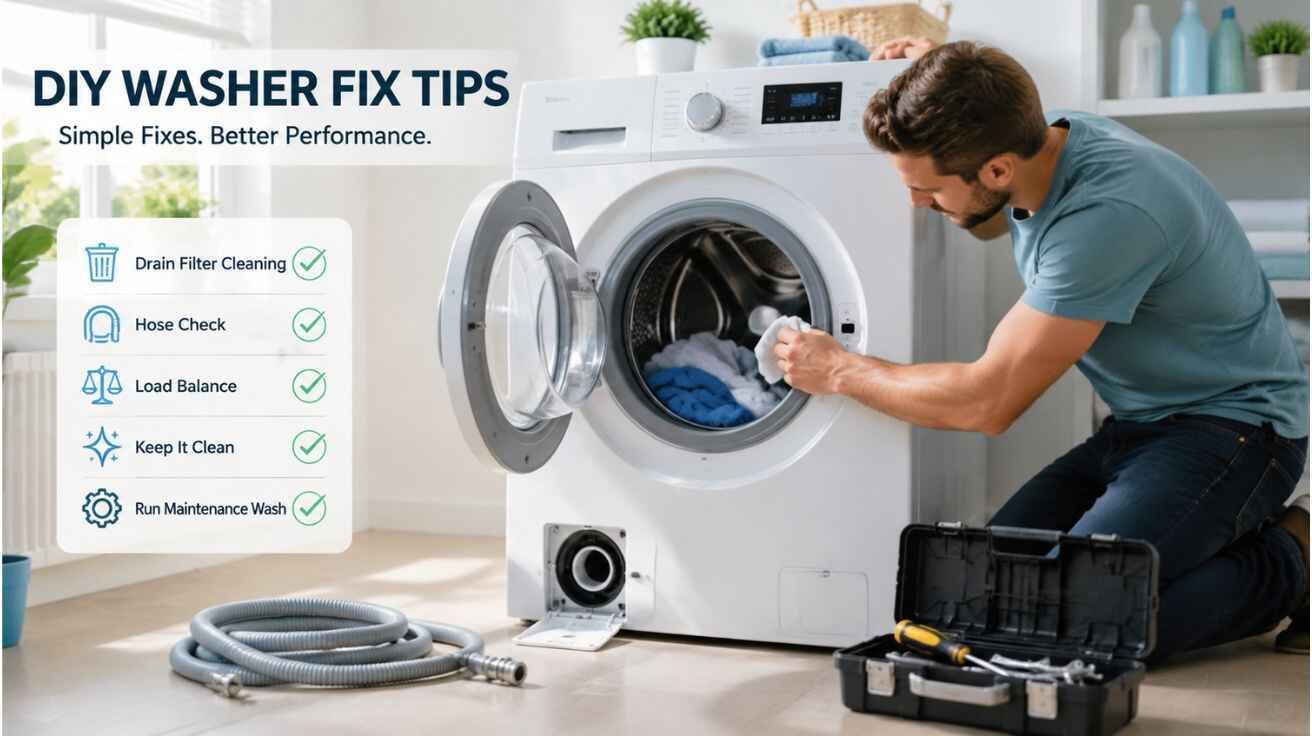
  • DIY Washer Fix Tips: Quick Washing Machine Repair at Home

    DIY Washer Fix Tips: Quick Washing Machine Repair at Home

    The best DIY washer fix tips are to check power first, reset the washer, balance the load, inspect the drain hose, clean the drain pump filter, check the water supply, wipe the door seal, use less detergent, and make sure the washer is level. These simple checks can solve many common washing machine problems without replacing parts.

    Why DIY Washer Fix Tips Matter

    A washing machine is one of the most important home appliances, and when it stops working, daily life is affected immediately. Most washer problems are not major mechanical failures, they are simple issues like clogged filters, wrong load balance, hose blockage, or excess detergent.

    This guide provides practical DIY washer fix tips based on real-world appliance troubleshooting patterns used by technicians and common user problems.

    Quick Troubleshooting Table

    ProblemDIY Fix
    Not startingReset power and door lock
    Not drainingClean filter and hose
    Not spinningBalance load and remove excess clothes
    LeakingTighten hoses and clean gasket
    VibratingLevel washer and balance load
    SmellClean seal and detergent drawer

    Safety First Before Any Washer Repair

    Before attempting any washing machine troubleshooting:

    • Always unplug the washer from the power supply
    • Turn off water valves before checking hoses
    • Avoid opening motor, wiring, or control panels
    • Keep water-absorbing cloths nearby for leaks
    • Follow manufacturer instructions for your model

    DIY repair is only safe for external and basic maintenance issue not internal electrical or mechanical repairs.

    1. Washer Not Starting

    Common Causes:

    • No power supply or tripped breaker
    • Door/lid not properly closed
    • Child lock activated
    • Faulty start button or reset required

    DIY Fix:

    Check the plug and wall socket first. Reset the circuit breaker if needed. Close the door firmly until it clicks. Turn off child lock mode if active. Finally, unplug the washer for 2–3 minutes and restart it.

    If the machine still does not respond, the issue may involve the control board or door switch.

    2. Washer Not Draining Water

    Common Causes:

    • Clogged drain filter
    • Kinked drain hose
    • Pump blockage
    • Excess detergent suds
    • Blocked household drain

    DIY Fix:

    Locate the drain filter (usually at the bottom front). Open it carefully and remove lint, coins, or debris. Check the drain hose for bends or blockage. Straighten it and ensure proper water flow.

    Run a “Drain & Spin” cycle after cleaning.

    If the washer hums but water doesn’t drain, the pump may be partially blocked.

    3. Washer Not Spinning Properly

    Common Causes:

    • Unbalanced load
    • Overloaded drum
    • Drain issue
    • Faulty lid/door switch

    DIY Fix:

    Redistribute clothes evenly inside the drum. Remove heavy single items like blankets. Make sure the washer is not overloaded.

    Check if water is still inside washers will not spin if drainage is incomplete. Level the machine using adjustable feet.

    4. Washing Machine Leaking Water

    Common Causes:

    • Loose inlet or drain hoses
    • Damaged door gasket (front load)
    • Too much detergent
    • Cracked detergent tray

    DIY Fix:

    Inspect all hose connections and tighten them. Clean the rubber door seal where dirt and lint collect. Reduce detergent quantity, especially for HE washers.

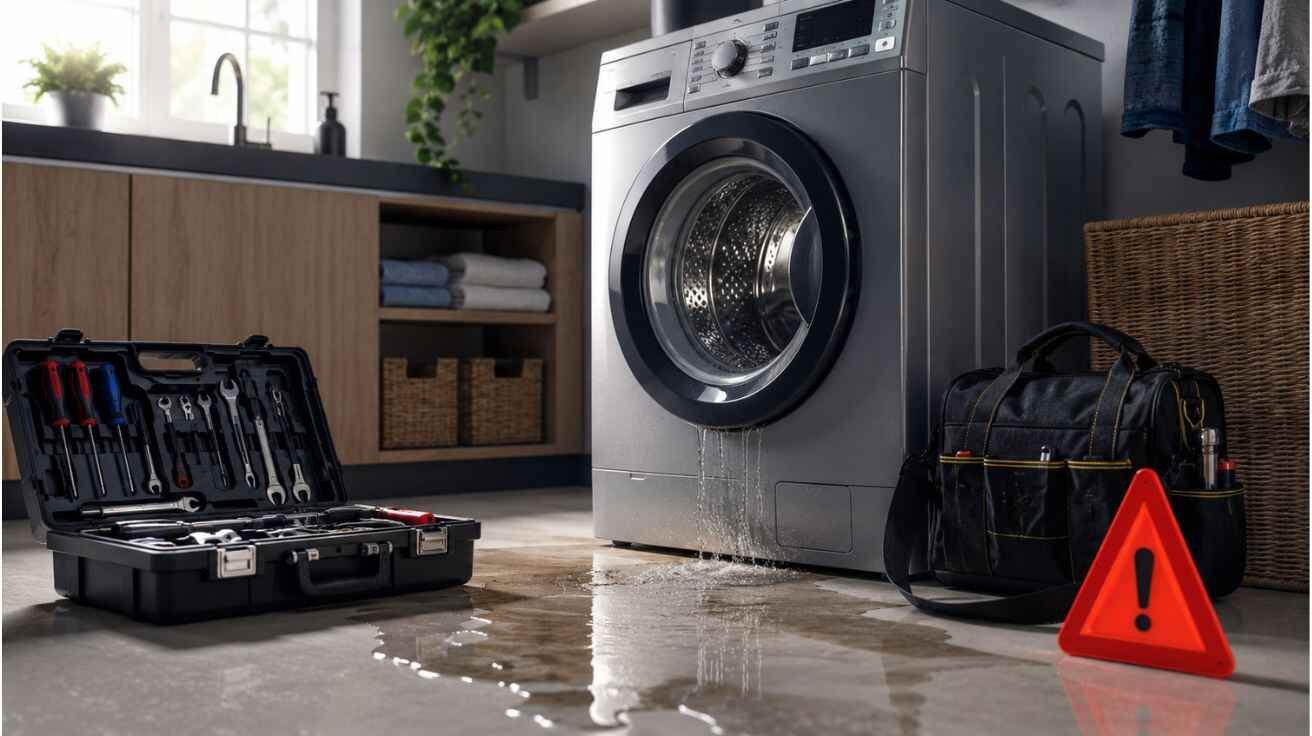
    If leakage continues from underneath, internal pump or seal issues may be present.

    5. Washer Making Loud Noise or Vibrating

    Common Causes:

    • Unbalanced load
    • Washer not level
    • Foreign objects in drum
    • Worn suspension parts

    DIY Fix:

    Pause the cycle and redistribute clothes. Check for coins, pins, or small items inside the drum. Adjust washer feet to ensure stability.

    For new washers, ensure shipping bolts are removed.

    6. Washer Smells Bad

    Common Causes:

    • Mold in door gasket
    • Detergent buildup
    • Wet clothes left inside
    • Poor ventilation

    DIY Fix:

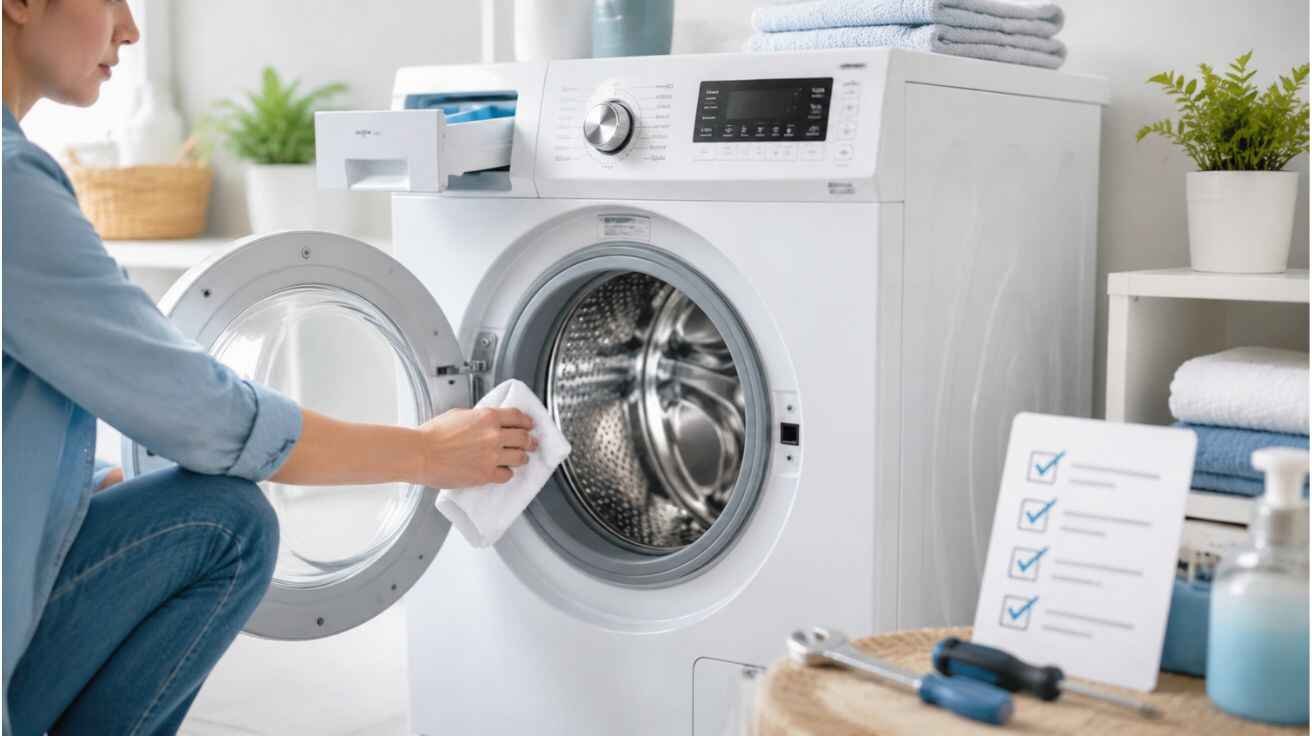
    Wipe the rubber seal regularly. Leave the door slightly open after use. Clean the detergent drawer monthly. Run a hot water cleaning cycle once every 3–4 weeks.

    Avoid excess detergent to prevent residue buildup.

    7. Washer Not Filling With Water

    Common Causes:

    • Closed water valve
    • Blocked inlet filter
    • Kinked hose
    • Low water pressure

    DIY Fix:

    Ensure both hot and cold water valves are open. Check hose connections. Clean inlet mesh filters if clogged with sediment.

    If water still does not enter, the inlet valve may be faulty.

    8. Washer Door Not Opening

    Common Causes:

    • Water still inside drum
    • Cycle not completed
    • Door lock delay

    DIY Fix:

    Wait a few minutes after cycle completion. Run drain cycle if water remains inside. Restart washer to reset system.

    Never force open the door, as it may damage the lock mechanism.

    Maintenance Tips for Long Washer Life

    • Use correct detergent amount
    • Clean drain filter every 1–2 months
    • Keep door open after wash
    • Avoid overloading drum
    • Inspect hoses regularly
    • Run monthly cleaning cycle

    Proper maintenance prevents 70% of common washer problems.

    When to Call a Technician

    DIY fixes work for basic washing machine issues, but professional help is necessary when the problem goes beyond simple maintenance or safety becomes a concern.

    Call a qualified technician if you notice:

    • Burning smell, electrical issues, or signs of overheating
    • Washer does not power on at all despite proper power supply
    • Drum or motor is not moving during any cycle
    • Internal leaks appearing from underneath the machine
    • Repeated error codes that do not clear after reset

    For reliable inspection and repair services, you can contact FixMaster Appliances for professional washing machine diagnostics and repair support.

    FAQs

    1. Why is my washing machine not draining even after cleaning?

    If cleaning the filter doesn’t help, the drain hose or pump may be blocked. In some cases, the household drain system is clogged, not the washer itself.

    2. Can too much detergent stop washing machine spinning?

    Yes. Excess detergent creates foam buildup, causing cycle delays or spin failure in modern washers.

    3. Why is my washer shaking violently?

    Unbalanced load, uneven flooring, or overloaded drum are the main causes. Redistribute clothes and level the machine.

    4. How do I unlock a stuck washer door?

    Wait for cycle completion, run drain cycle if water remains, and restart washer. Do not force the door.

    5. Is DIY washer repair safe?

    Yes for basic issues like cleaning, leveling, and hose checks. Electrical or internal repairs should be left to professionals.

    Conclusion

    Most washing machine problems can be solved with simple DIY washer fix tips like cleaning filters, balancing loads, checking hoses, and proper maintenance. These small steps save money, extend machine life, and prevent unnecessary repairs.

  • Best Washing Machine Brands in Dubai – Top 10 Expert Guide

    Best Washing Machine Brands in Dubai – Top 10 Expert Guide

    Choosing the best washing machine brands in Dubai is important because households in the UAE face unique laundry needs such as hard water conditions, frequent washing, limited apartment space, and high temperature environments.

    A washing machine in Dubai must be energy-efficient, durable, quiet, and suitable for different fabric types like abayas, uniforms, bedding, and daily wear. The market is dominated by global brands offering front-load, top-load, and washer-dryer combo machines.

    This guide explains the top washing machine brands in Dubai, their strengths, and how to choose the right one based on your budget and household needs.

    What to Look for in a Washing Machine in Dubai

    Before selecting a brand, focus on these key factors:

    • Capacity: 7–12 kg depending on family size
    • Energy Efficiency: Lower electricity and water consumption
    • Motor Type: Inverter or direct-drive for durability
    • Spin Speed: 1200–1400 RPM for faster drying
    • Programs: Quick wash, steam wash, hygiene cycles
    • After-Sales Service: Availability in UAE market
    • Noise Level: Important for apartments

    In Dubai, front-load machines are more popular due to better efficiency and water saving.

    1. LG Washing Machines (Best Overall Choice)

    LG is one of the most trusted washing machine brands in Dubai due to its balance of performance, technology, and durability.

    Key Features:

    • Direct Drive Inverter Motor (low noise, long life)
    • AI-based fabric sensing
    • Steam cleaning technology
    • TurboWash for faster cycles

    Why LG is popular in Dubai:

    LG washing machines are ideal for apartments and family homes because they handle heavy loads while protecting fabrics. They are also energy-efficient and quiet, which suits modern UAE lifestyles.

    Best for:

    Families, apartments, and long-term users

    2. Samsung Washing Machines (Best Smart Features)

    Samsung is known for innovation and smart home integration.

    Key Features:

    • EcoBubble technology
    • SmartThings mobile control
    • Hygiene steam wash
    • Digital inverter motor

    Why choose Samsung:

    Samsung machines are perfect for users who prefer modern technology and remote control features. They also offer stylish designs suitable for modern Dubai homes.

    Best for:

    Tech users and smart homes

    3. Bosch Washing Machines (Best for Durability)

    Bosch is a premium European brand known for reliability and silent operation.

    Key Features:

    • Anti-vibration design
    • EcoSilence Drive motor
    • Water-efficient systems
    • Strong build quality

    Why Bosch stands out:

    Bosch machines are extremely quiet, making them ideal for apartments where noise control is important.

    Best for:

    Small families and premium users

    4. Siemens Washing Machines (Premium Performance)

    Siemens offers advanced German engineering with modern washing programs.

    Key Features:

    • iQdrive motor
    • Speed wash options
    • Smart stain removal system
    • High-end design

    Why choose Siemens:

    It is designed for users who want high performance and premium quality with long-term reliability.

    Best for:

    Luxury homes and premium buyers

    5. Whirlpool Washing Machines (Best Mid-Range Option)

    Whirlpool is a reliable and budget-friendly brand widely used in UAE households.

    Key Features:

    • 6th Sense automatic technology
    • Large capacity options
    • Easy wash programs

    Why Whirlpool is good:

    It offers a balance between price and performance, making it ideal for everyday family use.

    Best for:

    Middle-class families and rental homes

    6. Hisense Washing Machines (Best Budget Choice)

    Hisense has gained popularity in Dubai due to affordable pricing and modern features.

    Key Features:

    • Inverter motors
    • Large drum capacity
    • Steam wash options (selected models)

    Why choose Hisense:

    It provides good value for money for users who want features at a lower price.

    Best for:

    Budget buyers and small families

    7. Miele Washing Machines (Luxury Choice)

    Miele is a high-end German brand known for premium durability.

    Key Features:

    • Long lifespan (up to 20 years usage design)
    • Advanced fabric protection
    • Ultra-quiet operation

    Why Miele is premium:

    It is one of the most durable washing machine brands in the world, but it comes at a high price.

    Best for:

    Luxury villas and premium households

    8. Panasonic Washing Machines (Simple & Reliable)

    Panasonic focuses on simplicity and ease of use.

    Key Features:

    • Easy controls
    • Stable performance
    • Energy-saving cycles

    Best for:

    Elderly users and basic household needs

    9. Hoover Washing Machines (Affordable European Brand)

    Hoover offers practical washing machines at reasonable prices.

    Key Features:

    • Quick wash programs
    • Good capacity range
    • Washer-dryer options

    Best for:

    Budget-conscious buyers

    10. Super General Washing Machines (Lowest Budget Option)

    Super General is widely available in UAE for basic washing needs.

    Key Features:

    • Low price
    • Simple operation
    • Basic washing functions

    Best for:

    Temporary use or very low budgets

    Front Load vs Top Load in Dubai

    Front Load Advantages:

    • Water efficient
    • Better cleaning performance
    • Gentle on clothes
    • Ideal for apartments

    Top Load Advantages:

    • Easier loading
    • Lower price
    • Faster operation

    In Dubai, front-load washing machines are more recommended due to efficiency and space-saving design.

    Best Washing Machine Capacity Guide

    • 7–8 kg → Singles or couples
    • 9–10 kg → Small families
    • 11–12 kg → Large families
    • 13+ kg → Villas or heavy use

    Most Dubai homes prefer 9 kg front-load machines.

    Final Verdict

    The best washing machine brand in Dubai depends on your budget and needs:

    • Best Overall: LG
    • Best Smart Features: Samsung
    • Best Quiet Performance: Bosch
    • Best Premium Choice: Siemens & Miele
    • Best Budget Option: Hisense & Whirlpool

    For most households in Dubai, LG and Samsung remain the top choices due to reliability, service availability, and advanced features.

    FAQs

    1. Which is the best washing machine brand in Dubai?

    LG is the best overall washing machine brand in Dubai due to its performance, durability, and energy efficiency.

    2. Which washing machine is best for apartments in Dubai?

    Front-load washing machines from LG, Samsung, or Bosch are best for apartments due to space-saving design and low noise.

    3. What is the average washing machine price in Dubai?

    Prices range from AED 800 to AED 5000 depending on brand, capacity, and features.

    4. Is Samsung better than LG washing machines?

    LG is better for durability and quiet operation, while Samsung is better for smart features and modern design.

    5. Which washing machine is best for large families in Dubai?

    LG, Whirlpool, and Samsung 11–12 kg models are best for large families due to high capacity and strong performance.

  • How to Extend Washing Machine Life: 15 Maintenance Tips

    How to Extend Washing Machine Life: 15 Maintenance Tips

    To extend washing machine life, avoid overloading, use correct detergent amounts, clean the drum monthly, wipe the rubber seal, clean the filter regularly, keep the machine level, and leave the door open after each wash. These habits reduce stress on the motor, drum, pump, and seals, significantly increasing lifespan.

    Why Washing Machine Maintenance Matters

    A washing machine is one of the most frequently used home appliances, and its lifespan depends heavily on usage habits and maintenance. On average, a well-maintained machine can last 8–12 years, but poor care can reduce this to less than 5 years. Most failures are not sudden they develop slowly due to neglect.

    This guide explains practical, technician-approved methods to extend washing machine life and avoid costly repairs.

    Why Washing Machines Break Early

    Most washing machines do not fail because of one big mistake. They usually break down because of repeated small mistakes.

    Common causes include:

    • Overloading the drum
    • Using too much detergent
    • Ignoring the drain filter
    • Leaving wet clothes inside
    • Not cleaning the rubber seal
    • Washing heavy items incorrectly
    • Using the wrong cycle
    • Letting the washer vibrate on an uneven floor
    • Ignoring small leaks or noises
    • Never running a maintenance wash

    These habits slowly damage the pump, bearings, suspension, motor, seals, hoses, and internal sensors.

    Essential 15 Maintenance Tips for Long Washing Machine Life

    1. Do Not Overload the Machine

    Overloading is the number one cause of mechanical stress.

    When the drum is packed tightly:

    • Motor works harder
    • Drum becomes unbalanced
    • Bearings wear faster
    • Spin cycle becomes inefficient

    Rule: Leave a small gap at the top of the drum so clothes move freely.

    2. Use the Right Amount of Detergent

    More detergent does NOT mean cleaner clothes.

    Excess detergent causes:

    • Soap residue buildup
    • Bad smell inside drum
    • Blocked hoses and filters
    • Poor rinsing performance

    Use HE detergent for modern machines and follow dosage instructions carefully.

    3. Clean the Drum Monthly

    A washing machine drum collects:

    • Dirt
    • Lint
    • Detergent residue
    • Bacteria

    Run a “Tub Clean” or “Drum Clean” cycle once a month to prevent odor and buildup. This improves performance and hygiene.

    4. Leave Door Open After Washing

    Moisture trapped inside the machine leads to mold and bad odor.

    After every wash:

    • Remove clothes immediately
    • Leave door slightly open
    • Allow airflow inside drum

    This prevents bacterial growth and rubber seal damage.

    5. Clean the Rubber Seal

    Front-load machines have a rubber gasket that traps:

    • Hair
    • Dirt
    • Water
    • Detergent residue

    Wipe it weekly to prevent:

    • Mold formation
    • Leakage
    • Smell buildup

    6. Clean Detergent Drawer

    Detergent and fabric softener leave sticky residue over time.

    Clean monthly to avoid:

    • Blocked detergent flow
    • Mold inside drawer
    • Poor washing performance

    7. Clean Drain Filter Regularly

    The drain filter collects:

    • Coins
    • Buttons
    • Lint
    • Hair

    If blocked, it causes:

    Clean every 2–3 months.

    8. Check Clothes Pockets

    Small objects can damage internal components.

    Always check for:

    • Coins
    • Keys
    • Tissue paper
    • Pins

    These can damage the pump and drum.

    9. Keep Machine Level

    An unbalanced washing machine causes:

    • Excess vibration
    • Loud noise
    • Structural damage

    Adjust feet so the machine sits firmly on the floor.

    10. Wash Heavy Items Separately

    Heavy items like blankets and towels should not be mixed with light clothes.

    This prevents:

    • Drum imbalance
    • Motor strain
    • Poor spin performance

    11. Use Correct Wash Cycle

    Different fabrics require different settings.

    Using wrong cycles causes:

    • Fabric damage
    • Motor overload
    • Inefficient cleaning

    Always match cycle with fabric type.

    12. Do Not Leave Wet Clothes Inside

    Leaving clothes inside causes:

    • Bad smell
    • Mold growth
    • Drum contamination

    Remove laundry immediately after cycle ends.

    13. Inspect Water Hoses

    Check hoses for:

    • Cracks
    • Leaks
    • Bulging

    Replace damaged hoses immediately to prevent water damage and machine failure.

    14. Protect Against Hard Water

    Hard water causes limescale buildup inside:

    • Drum
    • Heater
    • Pipes

    Use descaling products if you live in a hard-water area.

    15. Respond to Early Warning Signs

    Do not ignore:

    • Unusual noise
    • Vibration
    • Slow drainage
    • Burning smell

    Early repair prevents major breakdowns.

    Front-Load vs Top-Load Washer Maintenance

    Both front-load and top-load washing machines need care, but the problem areas are slightly different.

    Front-load washer care

    Front-load washers usually need more attention to the door seal. The rubber gasket can trap water, lint, and residue. Always leave the door open, wipe the seal, and clean the drain filter if your model has one.

    Top-load washer care

    Top-load washers may not have the same front gasket problem, but they still need drum cleaning, balanced loading, detergent control, and hose inspection. If your top-loader has an agitator, avoid wrapping clothes tightly around it.

    Maintenance Schedule

    After every wash:

    • Remove clothes
    • Leave door open
    • Wipe seal

    Weekly:

    • Clean exterior
    • Check drum

    Monthly:

    • Drum clean cycle
    • Clean detergent drawer

    Every 2–3 months:

    • Clean drain filter
    • Inspect hoses

    Common Mistakes to Avoid

    Avoid these mistakes:

    1. Filling the drum too tightly
    2. Using too much detergent
    3. Leaving wet clothes overnight repeatedly
    4. Closing the door immediately after washing
    5. Ignoring the drain filter
    6. Washing heavy rugs at home
    7. Using the wrong detergent
    8. Never cleaning the drum
    9. Ignoring vibration
    10. Letting small leaks continue
    11. Washing items with coins or metal objects
    12. Using fabric softener excessively
    13. Not reading the manual
    14. Ignoring hard water buildup
    15. Running back-to-back heavy cycles without giving the machine rest

    FAQs

    1. How can I make my washing machine last longer?

    Avoid overloading, use proper detergent, clean the drum monthly, and maintain filters and seals regularly.

    2. How often should I clean my washing machine?

    Drum monthly, detergent drawer monthly, and drain filter every 2–3 months.

    3. Why does my washing machine smell bad?

    Usually due to detergent buildup, moisture, or dirty rubber seals.

    4. Is it bad to leave clothes inside the machine?

    Yes, it causes odor, bacteria growth, and fabric damage.

    Conclusion

    Extending washing machine life is not about complex repairs, it is about consistent habits. Proper loading, cleaning routines, and early problem detection can significantly increase durability and performance. A well-maintained washing machine not only lasts longer but also cleans more efficiently and uses less energy.

  • Emergency Washer Repair Guide | Fast Washing Machine Help

    Emergency Washer Repair Guide | Fast Washing Machine Help

    Emergency washer repair is needed when your washing machine leaks, smells like burning, will not drain, stops mid-cycle, refuses to spin, shows repeated error codes, or creates loud grinding noises. First, turn off the washer, shut off the water supply, unplug it if safe, clean standing water, and avoid running another cycle. If the issue involves water leakage, electrical smell, smoke, sparks, locked door, or drainage failure, call a professional washer repair technician immediately.

    Emergency Washer Repair Guide

    A washing machine problem can quickly disturb your daily routine. One minute your washer is running normally, and the next minute there may be water on the floor, clothes trapped inside, or a burning smell coming from the machine. These problems should not be ignored because they can lead to water damage, electrical hazards, or expensive appliance failure.

    Emergency washer repair is important when the issue is urgent and cannot wait for normal maintenance. Some small problems, such as an uneven load, can be fixed at home. But serious signs like leaking water, smoke, sparks, loud grinding, or a washer full of standing water need quick action.

    What Is Emergency Washer Repair?

    Emergency washer repair means fast repair service for a washing machine problem that may damage your home, create safety risks, or stop your laundry completely. It is different from normal washer maintenance because the problem needs immediate attention.

    Common emergency washer problems include:

    • Washer leaking water
    • Washer not draining
    • Washer not spinning
    • Burning smell from washer
    • Washer door locked
    • Loud banging or grinding noise
    • Washer tripping the breaker
    • Repeated error codes
    • Washer stopping mid-cycle

    If your washer shows any of these signs, stop using it until the problem is checked.

    What to Do First in a Washer Emergency

    Before calling a washer repair service, take these simple safety steps.

    First, stop the washer cycle. Press pause, cancel, or power off. Do not force the door open, especially if it is a front-load washer and water is still inside.

    Second, unplug the washer if it is safe. If there is water near the plug or outlet, do not touch the cord. Instead, turn off power from the breaker if you can do it safely.

    Third, turn off the water supply valves behind the washer. This helps prevent more water from entering the machine if the washer is leaking or filling by itself.

    Fourth, clean standing water with towels or a mop. Water can damage flooring, cabinets, walls, and nearby electrical items.

    Finally, note the problem. Write down the error code, sound, smell, or exact issue. This helps the technician diagnose the washer faster.

    Washer Leaking Water

    A leaking washer is one of the most urgent washing machine problems. Even a small leak can turn into serious water damage if ignored. Water may leak from the back hoses, front door, detergent drawer, drain hose, or bottom of the machine.

    Common causes include a loose inlet hose, cracked drain hose, damaged door gasket, clogged drain pipe, faulty water inlet valve, overloading, or too much detergent. If water comes from underneath the washer, the issue may be inside the machine and should be checked by a professional.

    Stop the washer, shut off the water valves, clean the floor, and avoid running another cycle. If the leak returns, call FixMaster Appliances for emergency washer repair.

    Washer Smells Like Burning

    A burning smell from a washer is a serious warning sign. It may come from an overheated motor, damaged belt, stuck drain pump, electrical wiring issue, or friction inside the machine. A burning rubber smell may point to belt or gasket problems, while a burning plastic smell may suggest electrical trouble.

    Do not restart the washer to “test it again.” Turn it off and unplug it if safe. A washer with a burning smell should be inspected before further use because it may become a safety risk.

    Washer Won’t Drain

    If your washer is full of water and will not drain, the problem may be a blocked pump filter, clogged drain hose, faulty drain pump, bad lid switch, or door lock issue. Clothes may come out soaking wet, the washer may stop before spinning, or an error code may appear.

    Check if the drain hose is bent or blocked. If your washer has an accessible pump filter, clean it carefully because water may come out. If the washer still does not drain, call a technician. A drainage issue can damage the pump and create bad odors if left too long.

    Washer Won’t Spin

    A washer that does not spin can leave clothes heavy and wet. This may happen because of an unbalanced load, overloaded drum, broken belt, worn motor, faulty lid switch, bad door lock, or control board problem.

    Try removing some clothes and spreading the load evenly. Then run a drain and spin cycle. If the washer still refuses to spin or makes grinding noises, stop using it and book washer repair service.

    Washer Door Is Locked

    A locked washer door is common in front-load washers when water remains inside or the system detects a fault. Do not force the door open because it may break the latch or flood the floor.

    Turn off the washer and wait a few minutes. Some machines unlock after resetting. If water is still inside, drain it through the emergency drain hose or pump filter if available. If the door stays locked, professional repair is needed.

    Loud Banging or Grinding Noise

    Loud washer noise can happen because of an unbalanced load, uneven floor, worn bearings, damaged belt, loose drum, or trapped object. Banging may be caused by heavy towels or blankets. Grinding sounds may mean a more serious mechanical fault.

    Stop the washer and check the load. Make sure the machine is level. If the noise continues, do not keep running the washer because it may damage the motor, drum, or bearings.

    When to Call FixMaster Appliances

    Call FixMaster Appliances if your washer is leaking, not draining, not spinning, smelling burnt, making loud noises, showing repeated error codes, or stopping mid-cycle. You should also call a professional if water is coming from underneath the washer, the breaker keeps tripping, or the door stays locked.

    A trained washer repair technician can inspect the drain pump, hoses, belt, motor, door lock, water inlet valve, control board, and internal parts. Fast repair helps protect your home and keeps your washer safe to use.

    How to Prevent Washer Emergencies

    To reduce washer problems, clean the pump filter regularly, inspect hoses for cracks, avoid overloading, use the correct detergent, keep the washer level, and leave the door open after use to reduce moisture and odor. Small maintenance steps can prevent big repair costs later.

    FAQs

    Is a leaking washer an emergency?

    Yes, a leaking washer can be an emergency because it may damage floors, walls, and nearby electrical items.

    What should I do if my washer smells burnt?

    Turn it off immediately, unplug it if safe, and do not restart it. Call a technician.

    Why is my washer not draining?

    It may have a clogged drain hose, blocked pump filter, faulty pump, or door lock issue.

    Can I force open a locked washer door?

    No. Forcing it can break the latch or cause flooding.

    Why does my washer shake badly?

    It may be overloaded, unbalanced, uneven, or have worn suspension parts.

  • Washer Noise Problems Explained: Causes & Quick Fixes

    Washer Noise Problems Explained: Causes & Quick Fixes

    A washer usually makes loud noise because of an unbalanced load, overloading, uneven flooring, loose objects, a clogged drain pump filter, worn drum bearings, damaged shock absorbers, or loose internal parts. Some washer sounds are normal, but loud banging, grinding, roaring, or repeated vibration should be checked early to prevent costly damage.

    Washer Noise Problems

    Washer noise problems are common, but every sound does not mean your washing machine is damaged. A washer normally makes some noise while filling, washing, draining, and spinning. However, if the noise becomes loud, unusual, or suddenly worse, it may be a sign of a problem.

    Ignoring washer noise can lead to bigger issues such as poor spinning, water leakage, drainage failure, motor strain, or expensive repair. This guide explains the most common washer noise problems, their causes, simple fixes, and when you should call a professional technician.

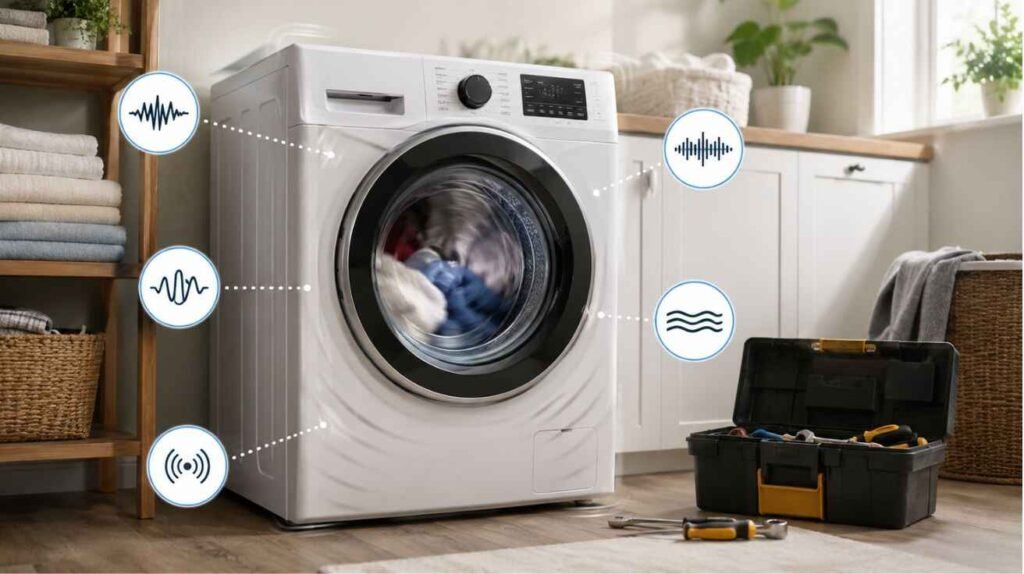
    Modern front-load washer vibrating during spin cycle with sound wave icons and repair toolkit in a bright laundry room.

    1. Banging or Thumping Noise During Spin Cycle

    A loud banging noise during the spin cycle usually happens when the laundry load is unbalanced. Heavy items like towels, bedsheets, jeans, and blankets can collect on one side of the drum and make the washer shake.

    Common causes include:

    • Unbalanced laundry load
    • Overloaded washer drum
    • Washer not level on the floor
    • Weak flooring
    • Worn shock absorbers or suspension rods
    • Shipping bolts still installed in a new washer

    First, pause the washer and spread the clothes evenly inside the drum. If the washer is overloaded, remove some items and restart the cycle. Also check if the washer is level. If the banging continues with normal loads, internal suspension parts may need repair.

    2. Grinding or Scraping Noise

    A grinding or scraping noise should be checked quickly. Sometimes small objects like coins, keys, buttons, hairpins, or bra wires get stuck inside the drum, rubber seal, or drain pump area.

    Possible causes include:

    • Foreign object inside the drum
    • Object stuck in the pump filter
    • Worn drum bearings
    • Damaged pulley
    • Loose internal part

    Turn off the washer and inspect the drum carefully. Check the rubber door seal if you have a front-load washer. If the grinding noise becomes louder during spinning, the drum bearings may be worn. Bearing problems usually need professional repair.

    3. Rattling Noise

    A rattling washer often means something loose is vibrating. The sound may come from inside the washer or from hoses and cords touching the wall.

    Common causes include:

    • Coins or buttons inside the drum
    • Loose drain hose
    • Water hoses hitting the wall
    • Loose screws or panels
    • Washer feet not firmly touching the floor

    Check around the washer first. Make sure the drain hose, water hoses, and power cord are not hitting the wall or cabinet. Then check the drum, pockets, and filter area. Fixing rattling early can prevent more vibration damage.

    4. Humming or Buzzing Noise

    A humming or buzzing noise usually means the washer is trying to work but something is blocking the process. If it happens while filling, there may be a water supply issue. If it happens while draining, the drain pump or filter may be blocked.

    Common causes include:

    • Clogged drain pump filter
    • Blocked drain hose
    • Kinked water hose
    • Faulty drain pump
    • Water inlet issue
    • Electrical fault

    Do not keep running the washer if it hums but does not fill, drain, or spin. Check the water supply, hoses, and filter. If the noise continues, call a technician.

    5. Squealing or High-Pitched Noise

    A squealing washer sound often comes from friction or extra pressure on moving parts. It may happen when the washer is overloaded or when a belt, pulley, or motor part is worn.

    Possible causes include:

    • Overloaded washer
    • Worn belt
    • Motor issue
    • Drive pulley problem
    • Object rubbing inside the drum

    Try reducing the load first. If the squealing sound continues even with a normal load, the washer should be inspected before the problem gets worse.

    6. Roaring or “Airplane” Noise During Spin

    If your washer sounds like an airplane taking off, especially during the spin cycle, it may have worn drum bearings. This sound usually becomes louder as the drum spins faster.

    Warning signs include:

    • Loud roaring during spin
    • Drum feels rough when turned by hand
    • Drum feels loose
    • Noise gets worse over time

    This is not a simple DIY repair. Bearing or tub-related problems should be checked by a professional washer repair technician. If the washer is very old, compare the repair cost with the price of replacement.

    Normal Washer Sounds vs Problem Sounds

    Some washer sounds are normal, such as water filling, soft humming while draining, light clicking, and mild vibration during high-speed spin.

    Problem sounds include:

    • Loud banging every cycle
    • Grinding or scraping
    • Roaring during spin
    • Washer shaking violently
    • Buzzing with no draining
    • Squealing with normal loads
    • Metallic knocking
    • Noise with burning smell

    If the noise is loud, sudden, or getting worse, stop using the washer and inspect it safely.

    Quick Troubleshooting Checklist

    StepWhat to CheckWhat to Do
    1Laundry loadBalance the laundry load evenly inside the drum.
    2OverloadingAvoid overloading the washer drum. Remove extra clothes if needed.
    3Washer levelCheck if the washer is level on the floor.
    4Washer feetMake sure all washer feet touch the floor firmly.
    5Small objectsRemove coins, keys, buttons, and small objects from pockets.
    6Drum and rubber sealCheck the drum and rubber seal for trapped items.
    7Drain pump filterClean the drain pump filter if it is accessible.
    8Hoses touching wallMake sure hoses are not hitting the wall or cabinet.
    9Kinked hosesCheck that water and drain hoses are not bent or kinked.
    10Shipping boltsFor a new washer, confirm that shipping bolts are removed.
    Final CheckBasic troubleshootingThese simple checks can solve many washer noise problems.

    When to Call a Professional

    Call a technician if your washer still makes noise after basic checks or if you notice grinding, roaring, burning smell, water leakage, error codes, violent shaking, or poor draining.

    For reliable washer noise repair, FixMaster Appliances can inspect the problem safely and help prevent further damage.

    How to Prevent Washer Noise Problems

    To reduce washer noise, avoid overloading, balance heavy items, empty pockets before washing, keep the washer level, clean the filter regularly, and use the correct detergent amount. Regular care helps protect the drum, motor, pump, and suspension system.

    FAQs About Washer Noise Problems

    1. Why is my washer loud during the spin cycle?

    A washer is usually loud during spinning because of an unbalanced load, overloading, uneven leveling, worn bearings, or weak suspension parts.

    2. Is grinding noise from a washer serious?

    Yes, grinding noise can be serious. It may be caused by a trapped object, worn bearing, damaged pulley, or internal rubbing. Stop using the washer and inspect it.

    3. Why does my washer sound like an airplane?

    An airplane-like noise during spin often points to worn drum bearings or a failing tub seal. This usually needs professional repair.

    4. Why is my washer shaking and banging?

    A washer shakes and bangs because of uneven clothes, overloading, poor leveling, weak flooring, or worn shock absorbers.

    5. Can a clogged drain pump make noise?

    Yes, a clogged drain pump or filter can cause humming, buzzing, clicking, or grinding noise during draining or spinning.

  • How Dubai Climate Affects Appliances | Maintenance Guide

    How Dubai Climate Affects Appliances | Maintenance Guide

    Dubai’s climate affects appliances because extreme heat, humidity, dust, sand, and coastal salty air make machines work harder than normal. Air conditioners run longer, refrigerators struggle to release heat, washing machines develop odor and mold faster, and electronic parts may face dust buildup or corrosion. Regular cleaning, ventilation, filter maintenance, and professional servicing help extend appliance life in Dubai homes.

    How Dubai Climate Affects Appliances

    Dubai offers modern living, but its climate can be tough on home appliances. Long summers, high temperatures, dusty air, humidity, and occasional sandstorms create extra pressure on machines used every day. This is why understanding how Dubai climate affects appliances is important for homeowners, tenants, landlords, and property managers.

    A refrigerator may stop cooling properly because of heat and dusty coils. A washing machine may smell bad because moisture stays inside the drum. An air conditioner may consume more electricity because dust blocks airflow and humidity makes cooling harder. These issues may look small at first, but if ignored, they can lead to expensive repairs or appliance replacement.

    Why Dubai Climate Is Hard on Appliances

    Dubai’s weather affects appliances mainly through four factors: heat, humidity, dust, and salt air.

    Extreme Heat

    High temperatures make appliances work harder. Air conditioners run for longer hours, refrigerators need more power to keep food cold, and dryers or washing machine motors may heat up quickly. Over time, heat can affect compressors, wiring, rubber seals, plastic parts, and sensors.

    Humidity

    Humidity increases moisture inside homes, especially in kitchens, bathrooms, and laundry areas. This can cause mold, bad smells, rust, and corrosion. Washing machines, dishwashers, AC ducts, and electronic boards are more vulnerable in humid conditions.

    Dust and Sand

    Dust and sand are common in Dubai. Fine particles can block AC filters, refrigerator coils, dryer vents, exhaust fans, and outdoor AC units. When airflow is blocked, appliances use more electricity and become less efficient.

    Salt Air

    Homes near coastal areas such as Dubai Marina, Jumeirah, JBR, and Palm Jumeirah may face salt-air exposure. Salt can speed up corrosion on outdoor AC units, screws, metal panels, and electrical terminals.

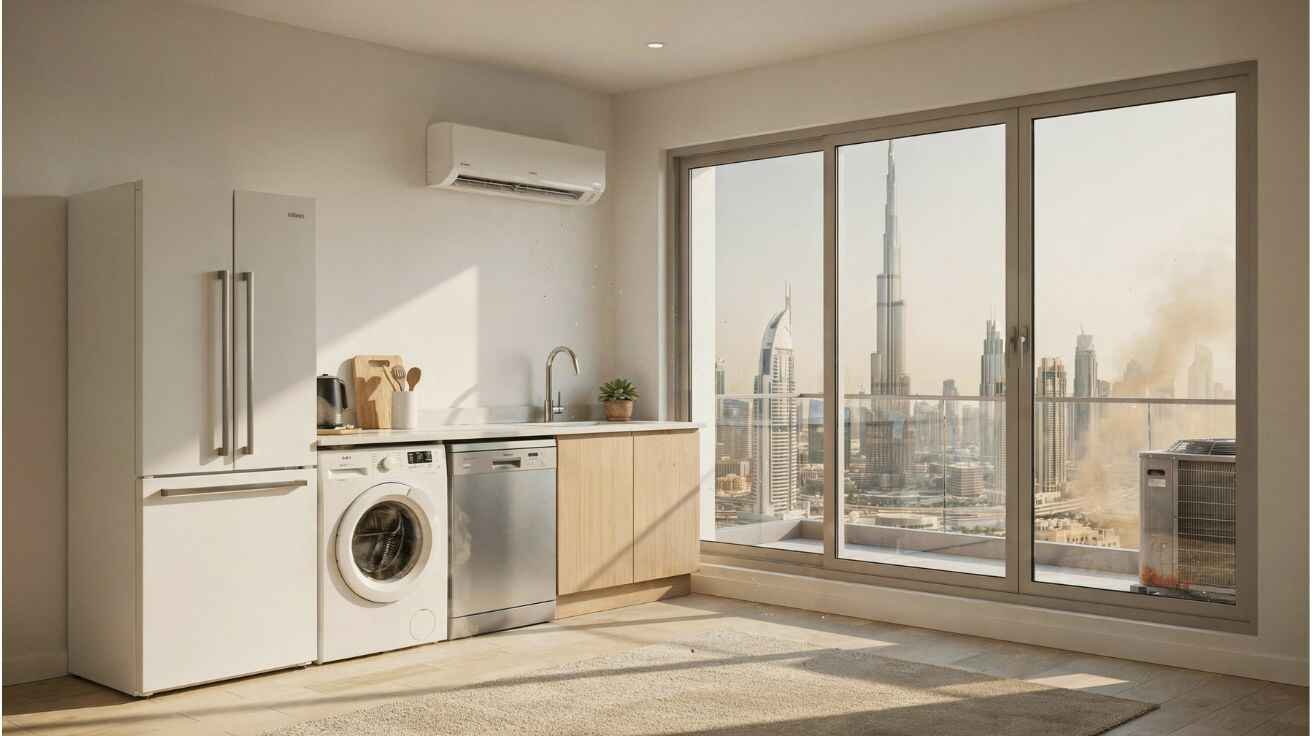
    Dubai home appliances including AC, refrigerator, washer, dryer, and dishwasher exposed to heat, humidity, dust, and sand outside the window.

    How Dubai Climate Affects Air Conditioners

    Air conditioners are the most affected appliances in Dubai because they deal directly with heat, humidity, and dust. During summer, AC units run for long hours, which increases stress on compressors, fans, filters, and coils.

    Common AC problems include weak cooling, high electricity bills, water leakage, musty smell, frozen coils, and noisy operation. Dust blocks filters and coils, while humidity increases the cooling load. If the outdoor unit is exposed to direct sunlight or sand buildup, it may overheat and lose efficiency.

    To protect your AC, clean or replace filters regularly, keep the outdoor unit clear, check the drain line, and schedule professional servicing before peak summer. If cooling becomes weak or bills suddenly increase, do not delay inspection.

    How Dubai Climate Affects Refrigerators

    Refrigerators also suffer in Dubai’s heat. A fridge removes heat from inside and releases it through condenser coils. If the kitchen is hot or the coils are covered with dust, the refrigerator has to work harder.

    Common refrigerator issues include poor cooling, compressor overheating, food spoiling faster, frost buildup, noisy operation, and damaged door seals. Heat from ovens, direct sunlight, and poor ventilation can make the problem worse.

    Keep your refrigerator away from heat sources. Leave space behind and around the unit for airflow. Clean condenser coils every few months, especially in dusty homes. Also check the door gasket because weak seals allow warm air to enter, forcing the fridge to run continuously.

    How Dubai Climate Affects Washing Machines

    Washing machines are strongly affected by humidity because they already use water. Moisture can stay inside the drum, rubber gasket, detergent drawer, and drain hose. This often causes bad smell, mold, and detergent buildup.

    In Dubai, dust and sand from clothes can also collect inside filters and hoses, especially after beach visits, outdoor work, or desert activities. Hard water may also leave mineral deposits inside the machine and reduce washing performance.

    To prevent problems, leave the washing machine door slightly open after each wash. Wipe the rubber gasket, clean the detergent drawer, and run a monthly hot cleaning cycle. Also clean the drain filter as recommended by the manufacturer. If the washer leaks, shakes, smells bad, or fails to drain, call a technician before the issue becomes serious.

    How Dubai Climate Affects Dishwashers

    Dishwashers deal with water, detergent, heat, and food particles. In Dubai’s warm and humid environment, a dishwasher can develop odor, residue, cloudy dishes, blocked spray arms, and poor drying performance.

    Clean the dishwasher filter weekly if you use it often. Check spray arm holes for food particles or mineral buildup. Use rinse aid to reduce water spots and keep the door slightly open after cycles so moisture can escape. If smell remains even after cleaning, the drain hose or internal filter may need professional inspection.

    How Dubai Climate Affects Dryers

    Dryers need proper airflow to remove moisture from clothes. In dusty Dubai homes, lint and dust can build up quickly in filters, vents, and ducts. This can cause long drying times, overheating, burning smell, and weak airflow.

    Clean the lint filter after every load. Check the dryer vent regularly and make sure hot air is escaping properly. Avoid placing the dryer in a closed, humid space. If clothes stay damp after a full cycle, the issue may be a blocked vent, faulty heating element, or sensor problem.

    How Dubai Climate Affects Small Appliances

    Small appliances such as microwaves, coffee machines, kettles, air fryers, routers, and TVs can also be affected by heat, dust, and humidity. Dust can enter vents, while moisture can damage circuit boards and metal connectors.

    Keep small appliances away from windows, steam, and direct sunlight. Clean vents gently and avoid using electronics in poorly ventilated areas. For kettles and coffee machines, descaling is important because mineral buildup can reduce performance.

    Dubai Appliance Risk Matrix

    ApplianceMain Climate RiskWarning SignsPrevention
    Air ConditionerHeat, dust, humidityWeak cooling, high bills, water leaksClean filters, service coils, clear drain line
    RefrigeratorHeat, dustPoor cooling, noisy compressor, hot sidesClean coils, check door seals, allow ventilation
    Washing MachineHumidity, residue, hard waterBad smell, mold, drainage issueLeave door open, clean gasket, run monthly clean cycle
    DishwasherHumidity, food buildup, hard waterOdor, cloudy dishes, poor drainingClean filter, use rinse aid, inspect spray arms
    DryerDust, lint, poor airflowLong drying time, overheatingClean lint filter and vent
    MicrowaveHeat, moisture, food splatterBurning smell, poor heatingKeep clean, check door seal, avoid overheating
    Outdoor AC UnitHeat, dust, salt airNoise, corrosion, poor coolingShade correctly, clean unit, inspect metal parts

    Best Maintenance Schedule for Dubai Homes

    For Dubai homes, appliance maintenance should be more frequent than in cooler climates.

    Weekly: Clean visible dust, wipe washing machine seals, clean dishwasher filters, and remove dryer lint.
    Monthly: Clean AC filters, run a washing machine cleaning cycle, inspect refrigerator seals, and check for leaks.
    Every 3–6 months: Clean refrigerator coils, inspect dryer vents, deep-clean dishwasher parts, and check AC drain lines.
    Yearly: Schedule professional inspection for ACs, refrigerators, washing machines, and other high-use appliances.

    Warning Signs You Should Not Ignore

    You should call a professional if you notice weak cooling, water leakage, burning smell, loud noise, bad odor, high electricity bills, rust marks, frequent error codes, or appliances becoming unusually hot. These signs often mean the appliance is under stress due to Dubai’s climate.

    Conclusion

    Dubai’s climate affects appliances through heat, humidity, dust, sand, and salt air. These conditions can reduce performance, increase electricity use, cause mold and odor, block airflow, and shorten appliance lifespan.

    The best solution is preventive maintenance. Clean filters, coils, vents, seals, and drain lines regularly. Keep appliances ventilated and schedule professional service when needed. By understanding how Dubai climate affects appliances, you can prevent breakdowns, save money, and keep your home running smoothly.

    FAQs

    1. Does Dubai humidity damage appliances?

    Yes, Dubai humidity can damage appliances by increasing moisture inside machines. It may cause mold, bad smell, rust, and corrosion, especially in washing machines, dishwashers, AC ducts, and electronic components.

    2. Why does my AC bill increase in Dubai summer?

    Your AC bill increases because the system runs longer to handle extreme heat and humidity. Dirty filters, blocked coils, poor insulation, or low refrigerant can make the AC work even harder.

    3. Why is my refrigerator not cooling properly in Dubai?

    A refrigerator may stop cooling properly because of high kitchen temperature, dusty condenser coils, weak door seals, poor ventilation, or compressor strain.

    4. How often should I clean AC filters in Dubai?

    In Dubai, AC filters should usually be checked monthly during heavy use. If your home is dusty, near construction, or the AC runs all day, filters may need more frequent cleaning.

    5. How can I stop washing machine smell in Dubai?

    Leave the washer door open after every wash, wipe the rubber gasket, clean the detergent drawer, remove wet clothes quickly, and run a monthly hot cleaning cycle.

  • Signs Your Washer Needs Repair – Complete Guide 2026

    Signs Your Washer Needs Repair – Complete Guide 2026

    A washing machine may need repair if it is not spinning properly, making loud noises, leaking water, failing to drain, smelling bad, or stopping in the middle of a cycle. These issues can point to mechanical wear, drainage blockage, electrical faults, or sensor problems. Fixing them early can help prevent bigger repair costs and sudden breakdowns.

    Signs Your Washer Needs Repair

    A washing machine is one of the most important appliances in any home. When it works properly, laundry feels easy and routine. But when small problems begin to appear, they can quickly disturb your daily schedule.

    Issues such as unusual noise, slow drainage, water leakage, or clothes coming out too wet should not be ignored. These are often early warning signs that your washer needs attention. In this guide, you will learn the main symptoms of washer problems, possible causes, basic DIY checks, and when it is better to call a professional technician.

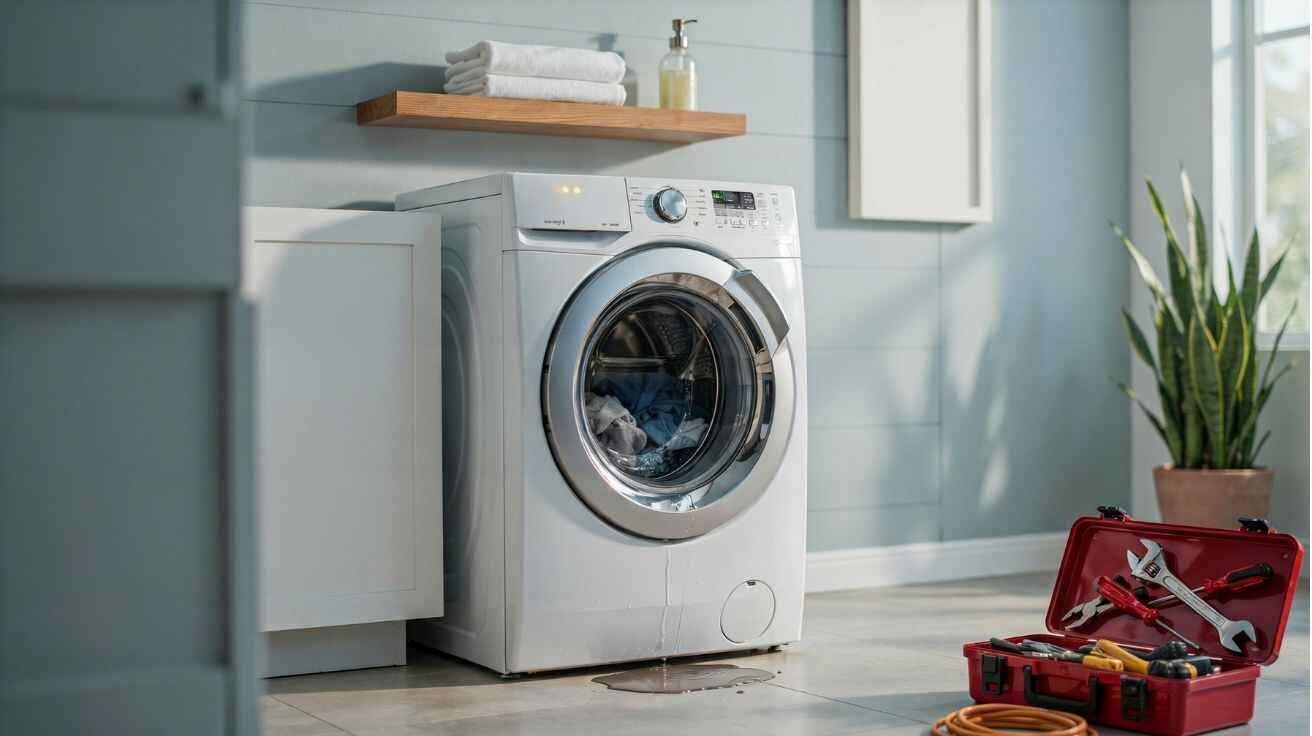
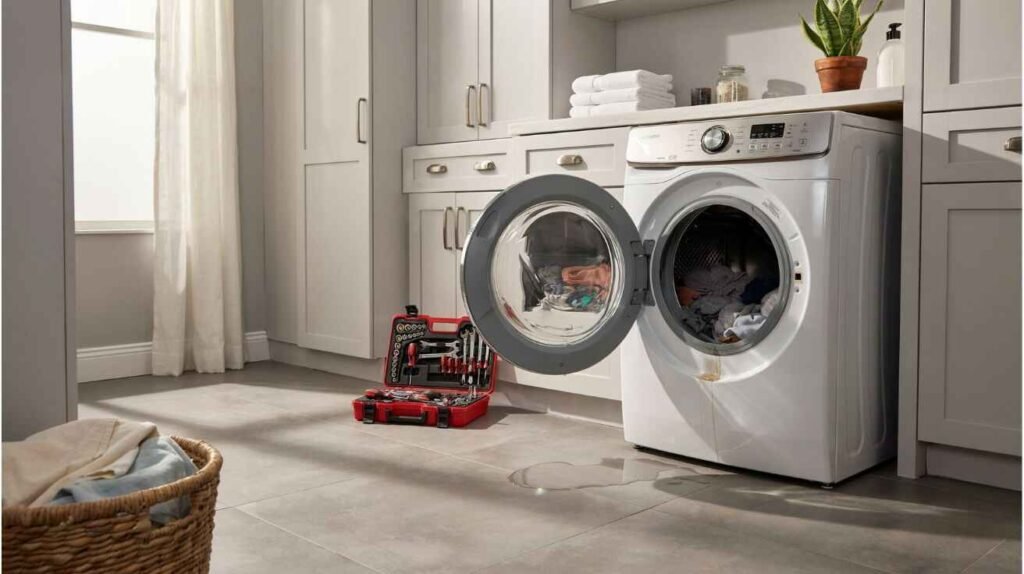
    Modern washing machine leaking water in a laundry room with repair tools nearby.

    Why Early Washer Repair Matters

    Ignoring small washer issues can lead to serious damage over time. A simple blocked filter, loose hose, or worn belt may later turn into a bigger mechanical or electrical problem.

    Identifying problems early can help you:

    • Save money on major repairs
    • Improve washing performance
    • Extend the life of your appliance
    • Prevent water damage in your home
    • Avoid sudden machine failure

    Regular checking and basic maintenance can keep your washing machine running smoothly for a longer time.

    Top Signs Your Washer Needs Repair

    Below are the most common washer problems homeowners should watch for.

    1. Washer Not Spinning Properly

    If your clothes are still very wet after the wash cycle, the washer may not be spinning correctly. This problem affects both washing and drying performance.

    Possible causes include:

    • Worn drive belt
    • Faulty motor
    • Broken lid switch
    • Overloaded drum
    • Load imbalance

    You can first try reducing the laundry load and restarting the cycle. If the problem continues, the machine may need professional inspection.

    2. Loud Noise During Operation

    A washing machine should make some sound while running, but loud banging, grinding, or shaking noises are not normal. These sounds usually mean that something inside the washer is loose, damaged, or unbalanced.

    Common reasons include:

    • Damaged drum bearings
    • Loose internal parts
    • Foreign objects stuck inside the drum
    • Uneven floor level
    • Worn suspension rods or shock absorbers

    If the sound becomes louder with every cycle, stop using the washer and get it checked before the damage spreads.

    3. Water Leaking From the Washer

    Water leakage is one of the most serious washer problems because it can damage floors, walls, and nearby electrical parts. Even a small leak should be fixed quickly.

    Possible causes include:

    • Cracked inlet hose
    • Damaged door seal
    • Loose drain connection
    • Faulty water pump
    • Overfilled detergent drawer

    Check the hoses and rubber seal first. If the leak is coming from underneath the machine, it may need a technician.

    4. Washer Not Draining Water

    If water stays inside the drum after the cycle ends, your washer has a drainage issue. This can leave clothes wet, smelly, and poorly washed.

    Common causes include:

    • Clogged drain hose
    • Blocked filter
    • Faulty drain pump
    • Kinked pipe
    • Small items stuck in the drainage system

    Cleaning the drain filter may solve the issue. However, if the washer still does not drain, the pump or internal drainage system may be faulty.

    5. Bad Smell Coming From the Machine

    A bad smell from the washer is usually caused by moisture, detergent buildup, mold, or standing water. This problem is common in front-load washing machines and humid environments.

    Possible reasons include:

    • Mold around the rubber gasket
    • Detergent residue inside the drum
    • Dirty drain filter
    • Standing water after wash cycles
    • Keeping the door closed for too long

    To reduce odor, clean the drum, wipe the door seal, and leave the washer door open after use so the inside can dry.

    6. Washer Stops Mid-Cycle

    A washer that stops suddenly during a cycle may have an electrical, sensor, or motor-related issue. This can happen because the machine is overheating, losing power, or detecting an internal fault.

    Possible causes include:

    • Faulty control board
    • Overheating motor
    • Power supply issue
    • Door lock problem
    • Sensor malfunction

    Try resetting the machine once. If the problem happens again, avoid repeated use and call a repair expert.

    Hidden Technical Problems in Washing Machines

    Not every washer problem is visible from the outside. Some faults happen inside the machine and only show through error codes, poor performance, or repeated cycle failure.

    Electrical Issues

    Electrical faults can affect the washer’s performance and safety. These may include:

    • Damaged wiring
    • Faulty PCB or control board
    • Power fluctuation damage
    • Loose internal connections

    If you notice burning smell, sparks, or repeated power failure, stop using the washer immediately.

    Sensor Problems

    Modern automatic washers depend on sensors to manage water level, load balance, cycle timing, and drum movement.

    Common sensor-related issues include:

    • Water level sensor failure
    • Load imbalance detection error
    • Door lock sensor fault
    • Temperature sensor problem
    • Cycle timing error

    Sensor faults usually require professional diagnosis because they are linked with the washer’s electronic system.

    DIY Checks Before Calling a Technician

    Before spending money on repair, you can try a few simple checks at home.

    • Make sure the power plug is properly connected
    • Check if the washer is overloaded
    • Clean the drain filter
    • Inspect the water inlet hose
    • Remove visible blockages
    • Make sure the washer is placed on a level surface
    • Restart or reset the machine
    • Use the correct amount of detergent

    These steps can solve minor issues. However, if the same problem returns, it may be a sign of a deeper fault.

    When You Should Call a Professional

    Call a professional technician if your washer has a burning smell, continuous water leakage, electrical sparks, repeated error codes, loud grinding noise, or the drum stops rotating. These problems can be unsafe and may cause further damage if ignored. For reliable washer repair, you can contact FixMaster Appliances, where trained technicians can inspect and fix the issue safely.

    How to Prevent Washer Problems

    Good maintenance can reduce repair issues and improve the life of your washing machine.

    Follow these tips:

    • Do not overload the drum
    • Use the recommended detergent
    • Clean the drum regularly
    • Wipe the rubber seal after washing
    • Keep the door open after use
    • Check hoses every month
    • Clean the drain filter when needed
    • Run a maintenance cycle regularly
    • Keep the machine on a balanced surface

    Small maintenance habits can prevent many common washer problems.

    FAQs

    1. What are the early signs of washing machine failure?

    Early signs include loud noise, slow spinning, water leakage, poor drainage, bad smell, and the washer stopping during a cycle.

    2. Why is my washer shaking violently?

    A washer may shake violently because of an unbalanced load, uneven flooring, worn suspension parts, or overloading.

    3. Can I still use a leaking washing machine?

    It is not recommended to use a leaking washer because water can damage electrical parts, flooring, and nearby appliances.

    4. Why does my washer smell bad even after cleaning?

    Bad smell may continue if mold, detergent residue, or standing water is trapped inside the rubber seal, drain filter, or drum.

    5. How long does a washing machine usually last?

    Most washing machines last around 8 to 12 years, depending on usage, maintenance, brand quality, and repair history.

  • How to Clean a Washing Machine Properly: Deep Cleaning Guide

    How to Clean a Washing Machine Properly: Deep Cleaning Guide

    To clean a washing machine properly, run a hot cycle using vinegar and baking soda, clean the detergent drawer, scrub the rubber gasket, and clear the filter. Repeat this monthly to remove odor, mold, detergent buildup, and bacteria while improving washing performance and machine lifespan.

    Why Understanding How to Clean a Washing Machine Properly is Important

    Understanding proper washing machine maintenance is essential for hygiene, performance, and long-term durability of your appliance. Many users assume that because water flows through the machine, it stays clean automatically. This is incorrect.

    Inside every washing machine, especially after repeated use, moisture, detergent residue, fabric lint, and bacteria begin to accumulate. Over time, this leads to bad smell, mold formation, and reduced washing efficiency.

    Why Cleaning a Washing Machine is Important

    A washing machine is a high-moisture environment, which makes it a perfect breeding ground for bacteria and mold. Even if clothes look clean, the internal drum may be contaminated.

    Major Problems Caused by a Dirty Washing Machine:

    • Mold growth inside rubber gasket
    • Sticky detergent and fabric softener buildup
    • Foul smell inside drum
    • Reduced washing performance
    • Blocked filter and drainage issues
    • Clothes coming out with bad odor

    If ignored, these issues can shorten machine lifespan and increase repair costs.

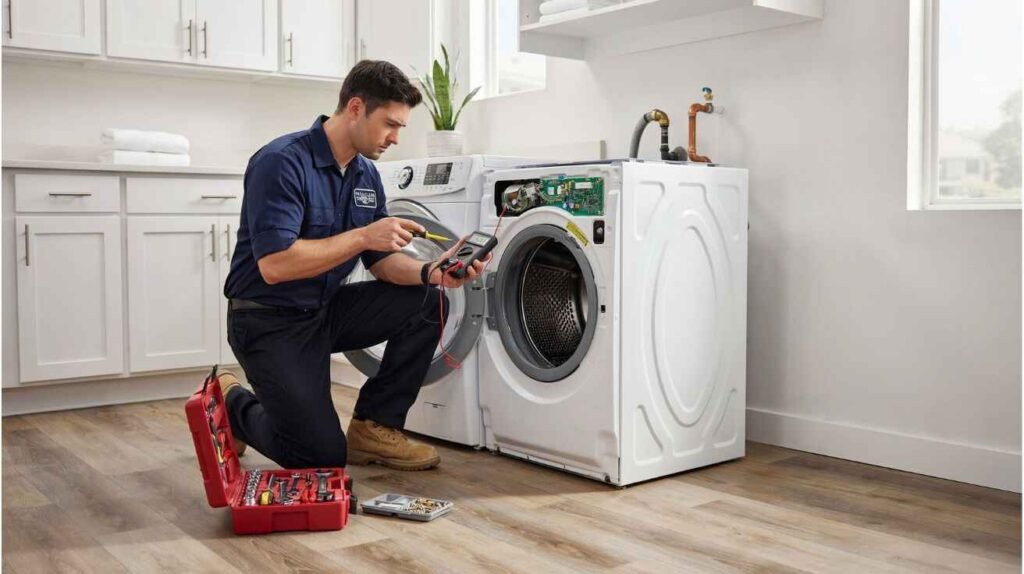
    Appliance technician using a multimeter to diagnose a washing machine while performing electrical testing and maintenance in a clean laundry room.

    Signs Your Washing Machine Needs Cleaning

    Before starting the cleaning process, it is important to identify the warning signs:

    • Clothes smell bad after washing
    • Black mold spots on rubber seal
    • Slow water drainage
    • Visible dirt inside drum
    • Strong odor when opening machine door
    • Soap residue on washed clothes

    These are strong indicators that deep cleaning is required immediately.

    Tools Required for Proper Cleaning

    To perform proper washing machine maintenance, gather the following items:

    • White vinegar
    • Baking soda
    • Microfiber cloth
    • Soft brush or toothbrush
    • Warm water
    • Mild detergent
    • Optional: machine cleaning solution

    These tools are safe, cost-effective, and widely recommended by appliance maintenance experts.

    Step-by-Step Guide: How to Clean a Washing Machine Properly

    1. Drum Deep Cleaning Cycle (Core Method)

    Start with an empty drum. Run a hot water cycle and add:

    • 2 cups white vinegar
    • ½ cup baking soda

    This combination breaks down detergent residue, kills bacteria, and removes odor.

    This is one of the most effective natural cleaning methods used globally.

    2. Clean the Rubber Gasket (Critical Area)

    The rubber seal is one of the dirtiest parts in front-load machines.

    Steps:

    • Spray vinegar solution inside gasket folds
    • Scrub gently using soft brush
    • Remove visible mold or dirt
    • Wipe completely dry

    Moisture trapped here is the main cause of bad smell.

    3. Clean the Detergent Drawer

    • Remove detergent tray
    • Soak in warm water
    • Scrub buildup using brush
    • Clean hidden corners
    • Dry before reinserting

    4. Clean the Filter System

    The filter collects lint, coins, and debris.

    • Open filter cover
    • Remove trapped dirt
    • Wash under running water
    • Reinstall properly

    5. Exterior Cleaning

    Use microfiber cloth to clean:

    • Door glass
    • Control panel
    • Outer body

    Front Load vs Top Load Washing Machine Cleaning Guide

    FeatureFront Load Washing MachineTop Load Washing Machine
    Cleaning DifficultyModerateEasy
    Mold RiskHigh (rubber gasket area)Low
    Cleaning FrequencyMonthly deep cleaning requiredEvery 1–2 months
    Main Problem AreaRubber seal + moisture buildupDrum + lint accumulation
    Maintenance EffortHighLow

    Front load machines require more care due to sealed moisture environment, while top load machines are easier to maintain but still need regular cleaning.

    Natural vs Chemical Cleaning Methods

    MethodAdvantagesDisadvantages
    Vinegar + Baking SodaSafe, cheap, eco-friendlyRequires repetition
    Chemical CleanersFast resultsMay damage rubber over time

    Natural cleaning is preferred for long-term machine health and safety.

    How to Remove Bad Smell from Washing Machine

    Bad odor is one of the top search queries related to How to Clean a Washing Machine Properly.

    Effective Solutions:

    • Run monthly vinegar hot cycle
    • Always keep door open after wash
    • Clean rubber gasket weekly
    • Avoid excess detergent usage
    • Remove wet clothes immediately

    Maintenance Tips for Long Machine Life

    • Do not overload washing machine
    • Use correct detergent quantity
    • Clean filter every 2 weeks
    • Keep door open after use
    • Run maintenance cycle monthly

    These habits significantly increase machine lifespan and performance.

    Common Mistakes People Make

    • Using too much detergent
    • Ignoring gasket cleaning
    • Not cleaning filter regularly
    • Leaving wet clothes inside
    • Closing door immediately after wash

    These mistakes directly cause mold, odor, and machine damage.

    FAQs

    1. How do I clean a washing machine properly at home?

    To clean a washing machine properly at home, run a hot wash cycle with white vinegar and baking soda, then clean the detergent drawer, rubber gasket, and filter. Repeat this monthly to remove dirt, mold, and odor.

    2. What is the best natural way to clean a washing machine?

    The best natural way is using white vinegar and baking soda. Vinegar kills bacteria and removes odor, while baking soda breaks down detergent buildup and freshens the drum.

    3. Why does my washing machine smell bad even after washing clothes?

    Bad smell usually comes from mold, trapped moisture, and detergent residue inside the drum or rubber seal. Regular deep cleaning and leaving the door open helps prevent this.

    4. How often should I clean my washing machine?

    You should deep clean your washing machine once every month and do a light cleaning (wiping gasket and door) every week for best hygiene and performance.

    5. Can I use vinegar in all types of washing machines?

    Yes, vinegar is generally safe for both front-load and top-load machines when used in moderate amounts during cleaning cycles. It helps remove odor and bacteria naturally.

    6. What happens if I don’t clean my washing machine?

    If not cleaned regularly, the machine can develop mold, bad odor, clogged filters, poor washing performance, and may even damage clothes over time.

    7. How do I remove mold from washing machine rubber seal?

    Spray vinegar solution on the rubber seal, scrub gently with a toothbrush, and wipe it dry completely. Repeat weekly to prevent mold from coming back.

  • Why Washing Machines Stop Draining | Complete Fix Guide

    Why Washing Machines Stop Draining | Complete Fix Guide

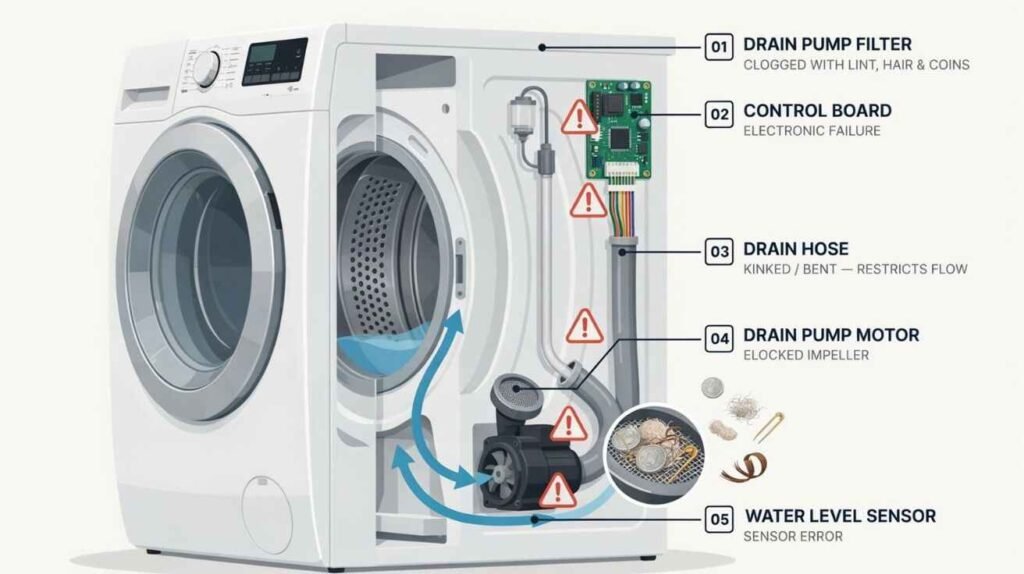
    Washing machines stop draining mainly due to a blocked drain pump filter, clogged or kinked drain hose, faulty drain pump motor, or foreign objects stuck in the drainage system. In some cases, electrical issues like a faulty lid switch, pressure sensor failure, or control board malfunction can also stop the draining process. Most of the time, the issue is caused by simple blockages that can be fixed by cleaning the filter or hose.

    Understanding the Drainage System in Washing Machines

    To fully understand Why Washing Machines Stop Draining you must first understand how the drainage system works. Every washing machine uses a combination of a drain pump, hose, filter, and control system to remove dirty water after the wash cycle.

    When the cycle ends, the pump activates and pushes water through the filter and drain hose into your home drainage pipe. If any part of this system becomes blocked, damaged, or electronically interrupted, the machine fails to drain water properly.

    This is why users often find water stuck inside the drum even after the cycle is complete.

    Major Reasons Why Washing Machines Stop Draining

    1. Clogged Drain Pump Filter (Most Common Issue)

    The drain filter collects lint, hair, detergent residue, and small objects like coins or buttons. Over time, this buildup blocks water flow completely.

    Many users ignore filter cleaning, which leads to slow drainage or total blockage.

    2. Blocked or Kinked Drain Hose

    A drain hose can easily bend or get crushed behind the machine. Even a small kink can stop water flow completely.

    This is one of the simplest but most overlooked causes of drainage failure.

    3. Faulty Drain Pump Motor

    The drain pump is responsible for pushing water out. If the motor burns out or weakens, you may hear humming sounds but no water movement.

    This usually requires replacement.

    4. Foreign Objects Inside the System

    Small items like:

    • Socks
    • Coins
    • Hairpins
    • Tissue paper

    can enter the drainage system and block the pump or hose, stopping water flow.

    5. Excess Detergent & Lint Buildup

    Using too much detergent creates sticky residue inside pipes and filters. Over time, this buildup restricts water flow and slows down drainage performance.

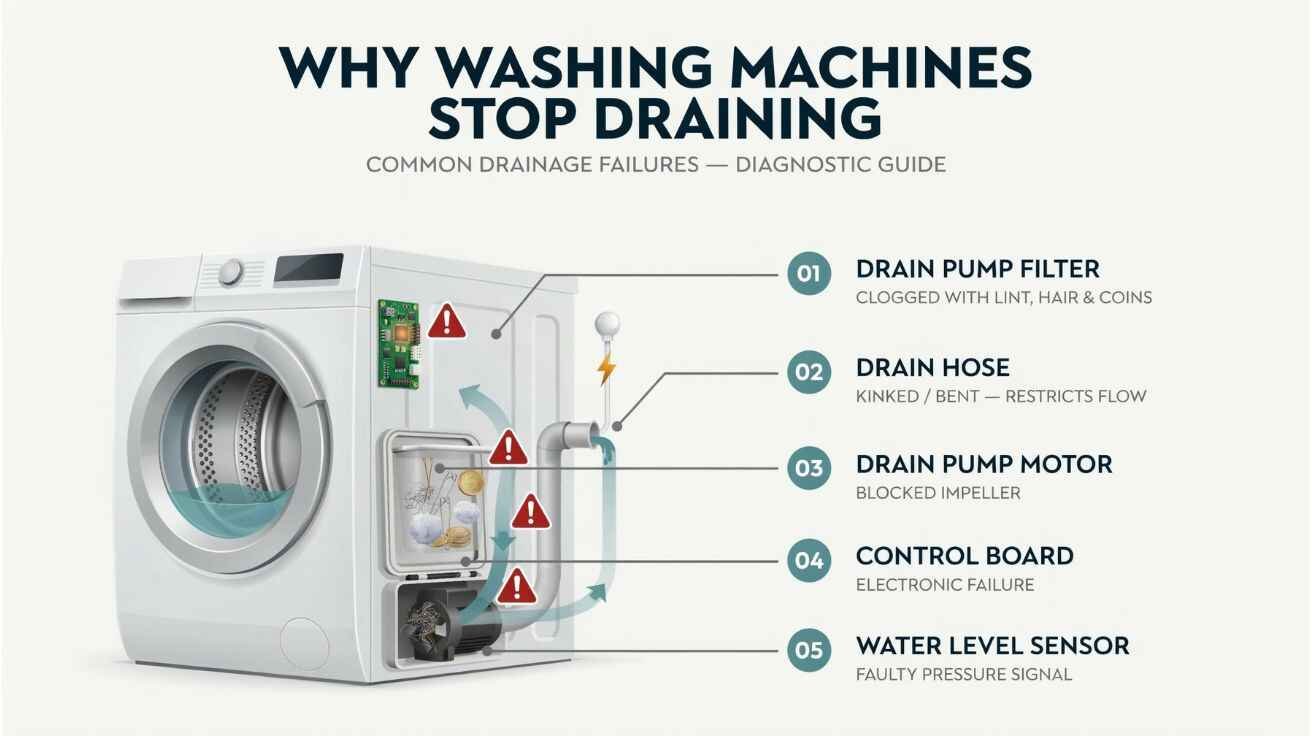
    Cross-section diagram of a washing machine explaining common drainage failures including blocked filter, pump obstruction, control board error, and sensor malfunction with arrows showing water flow.

    Electrical & Sensor Issues Behind Drain Failure

    Sometimes the problem is not mechanical but electronic.

    Lid Switch Failure (Top Load Machines)

    If the lid switch is faulty, the machine assumes the lid is open and stops the drain cycle for safety reasons.

    Control Board Malfunction (PCB Issue)

    Modern washing machines rely on electronic control boards. If the PCB fails or glitches, it may stop sending signals to the drain pump.

    Water Level / Pressure Sensor Failure

    If the sensor cannot detect correct water levels, the machine may incorrectly stop the draining process.

    Step-by-Step Diagnosis Used by Technicians

    Professional technicians follow this method:

    1. Check power supply and cycle selection
    2. Listen for drain pump sound
    3. Inspect drain hose for blockage or bending
    4. Clean drain filter thoroughly
    5. Test drain/spin cycle
    6. Inspect internal pump and wiring

    This process identifies most issues within minutes.

    DIY Fixes You Can Try at Home

    Clean Drain Pump Filter Properly

    StepAction
    1Turn off power & unplug machine
    2Open bottom filter cover
    3Remove debris from filter
    4Rinse filter with water
    5Reinstall tightly

    Check Drain Hose Flow

    Detach hose and run water through it. If water flows slowly or not at all, there is a blockage.

    Reset the Washing Machine

    Unplug the machine for 5–10 minutes. This resets minor electronic glitches in the control system.

    Run Empty Hot Water Cycle

    This helps remove detergent buildup and internal residue inside pipes.

    Advanced Technical Issues (Hidden Problems)

    Some drainage failures are deeper:

    • Pump impeller broken internally
    • Damaged wiring harness
    • Faulty capacitor in motor
    • Pressure switch calibration failure
    • PCB relay burnout

    These require professional repair tools.

    When You Should Call a Technician

    Call a repair expert if:

    • Water stays even after cleaning the filter
    • Pump makes no sound at all
    • Burning smell is present
    • Error codes appear repeatedly
    • Machine stops mid-cycle frequently

    Ignoring these signs may cause expensive damage. In such cases, it is recommended to contact a professional service like FixMasterAppliances for accurate diagnosis and reliable repair, ensuring your washing machine is fixed safely and efficiently.

    Preventive Maintenance Tips

    To avoid drainage problems:

    • Clean filter every 2–4 weeks
    • Do not overload washing machine
    • Use correct detergent quantity
    • Check pockets before washing clothes
    • Keep hose straight and unbent
    • Run maintenance wash monthly

    FAQs

    1. Why is my washing machine not draining water but everything else is working?

    This usually happens when the drain pump filter or hose is blocked. The machine may still spin and wash normally, but water cannot exit due to obstruction in the drainage system. In some cases, the drain pump motor may also be weak, preventing proper water discharge.

    2. How do I fix a washing machine that won’t drain completely?

    Start by cleaning the drain pump filter, checking the hose for bends or clogs, and resetting the machine. If the issue continues, run a drain/spin cycle. Persistent problems may require pump inspection or replacement.

    3. What is the most common reason a washing machine stops draining?

    The most common reason is a clogged drain pump filter. Lint, hair, detergent residue, and small objects often block water flow, making it impossible for the pump to drain water efficiently.

    4. Can overloading a washing machine cause drainage problems?

    Yes, overloading puts extra pressure on the motor and restricts water circulation. This can lead to poor drainage, unbalanced cycles, and strain on the pump system.

    5. Why does my washing machine make noise but not drain water?

    If you hear noise but no drainage, the pump motor is likely working but something is blocking water flow. This is usually caused by a clogged filter, jammed impeller, or blocked hose.

    6. How often should I clean the washing machine drain filter?

    For best performance, the drain filter should be cleaned every 2–4 weeks. If you wash heavy clothes or use the machine frequently, cleaning it weekly is recommended.

    7. Why does my washing machine stop mid-cycle with water inside?

    This is often due to a sensor or pump issue. The machine may detect an error in water level or drainage and stop automatically to prevent damage.

    8. Can detergent really cause drainage problems?

    Yes, excessive detergent creates foam and sticky residue inside pipes. Over time, this buildup blocks water flow and reduces drainage efficiency.

  • Top Load Washer Troubleshooting Guide | Quick Fixes

    Top Load Washer Troubleshooting Guide | Quick Fixes

    Top Load Washer Troubleshooting is the process of identifying and fixing common problems in a top-loading washing machine such as not spinning, not draining, noise issues, or power failure by checking basic components like power supply, water inlet, drain system, and lid switch.

    Understanding Top Load Washer Troubleshooting in Simple Terms

    Top Load Washer Troubleshooting is important for every household because washing machines are essential daily-use appliances. When they stop working, even small issues feel like major breakdowns. Most problems are not serious failures but simple faults such as blocked drainage, unbalanced load, or power interruptions.

    Modern washers work through a combination of water flow, motor rotation, and electronic control systems. If any one of these systems fails, the machine may stop mid-cycle, make unusual noise, or refuse to start.

    Common Problems in Top Load Washer Troubleshooting

    One of the most common issues is when the washer does not start. This is usually caused by power supply problems, loose plugs, or a faulty lid switch that prevents operation for safety.

    Another frequent issue is when the machine fills with water but does not spin. This is often due to overloading, imbalance in clothes, or motor-related issues. Many users search for “washer not spinning fix” because it is one of the most common household appliance problems.

    Drainage issues are also very common. If water remains inside the drum, it usually means the drain hose is blocked or the pump filter is clogged with lint or debris.

    Noise, Vibration, and Performance Issues

    Excessive noise or vibration usually happens when the load is uneven or the machine is placed on an unlevel surface. In some cases, internal suspension parts become weak, leading to shaking during spin cycles.

    Modern washing machines use balance detection systems that slow or stop the cycle when instability is detected, preventing damage to the drum and motor.

    Water Flow and Filling Problems

    If the washer is not filling with water properly, the issue is usually low water pressure or a clogged inlet valve. Dirt or mineral deposits can block water flow and slow down the entire washing cycle.

    Cleaning the inlet filter and checking hose connections often restores normal function. Faulty water level sensors can also cause incorrect filling behavior.

    Spin Cycle Failure and Mechanical Issues

    When the spin cycle fails, it is often due to a broken lid switch or damaged motor coupling. The washer will not spin unless the lid is fully closed as a safety feature.

    Overloading the drum can also stop spinning because the motor cannot handle excessive weight. Worn-out belts or internal components may require replacement in older machines.

    Error Codes and Smart Diagnosis

    Modern washing machines display error codes that help identify issues quickly. Drainage errors usually point to blockages, while water supply errors indicate inlet problems.

    Understanding these codes makes Top Load Washer Troubleshooting faster and more accurate, reducing unnecessary guesswork.

    DIY Fixes and Maintenance Tips

    Most washer problems can be prevented with simple maintenance routines. Cleaning the drum, removing lint from filters, and using the correct detergent helps improve performance.

    Avoid overloading the machine, as it strains the motor and reduces washing efficiency. Regular inspection of hoses also prevents leaks and drainage problems.

    A simple reset by unplugging the machine for a few minutes can fix minor system glitches.

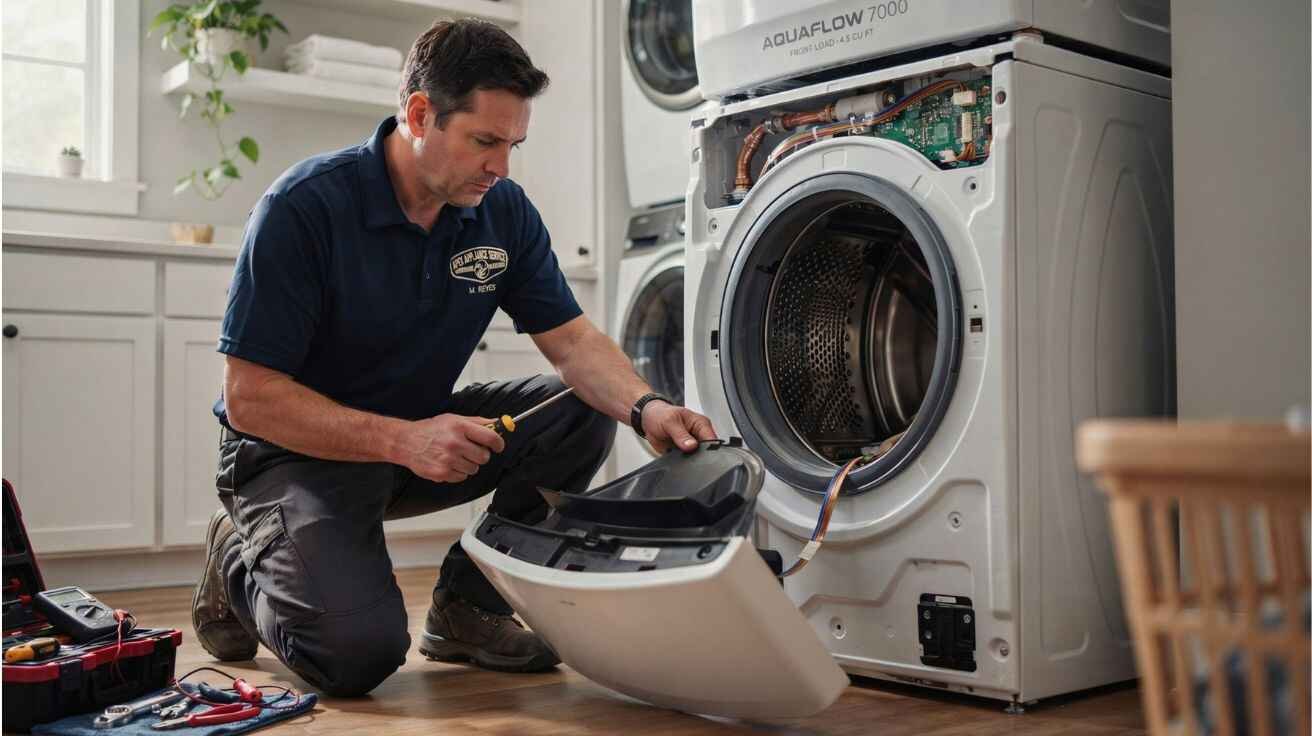
    Appliance technician diagnosing a washing machine with tools in a clean laundry room, checking internal components and control panel during repair service.

    When to Call a Technician

    Call Fix Master Appliances for Top Load Washer Repair service if your washer develops electrical faults, emits a burning smell, shows repeated water leaks, produces loud grinding noises, has a drum that will not spin, or continues facing drainage problems even after filter cleaning. While basic DIY maintenance can resolve minor issues, forcing a malfunctioning machine can worsen the damage and lead to higher repair costs.

    Conclusion

    Top Load Washer Troubleshooting becomes easy when you understand how the system works and follow step-by-step checks. Most issues like drainage failure, spinning problems, noise, or water supply errors can be fixed with simple inspection and maintenance.

    With proper care and timely cleaning, you can extend the life of your washing machine and avoid costly repairs while improving performance.

    FAQs – Top Load Washer Troubleshooting

    1. Why does my top load washing machine stop mid cycle?

    This usually happens due to power fluctuations, faulty lid switch, or drainage blockage. In many cases, resetting the machine or checking the lid sensor restores the cycle.

    2. How do I fix a top load washer that is not draining water?

    A clogged drain hose or blocked pump filter is the most common reason. Cleaning the filter and removing lint or small objects usually solves the issue quickly.

    3. Why is my washing machine shaking violently during spin cycle?

    This is caused by unbalanced clothes, uneven flooring, or worn suspension parts. Redistributing clothes and leveling the machine usually fixes the problem.

    4. What causes a top load washer not to start at all?

    Common causes include power supply issues, tripped circuit breaker, loose plug connection, or a faulty lid switch that prevents operation for safety.

    5. How do I reset a top load washing machine properly?

    Unplug the washer from the power source for 5–10 minutes, then plug it back in. This clears minor system errors and resets the control board.