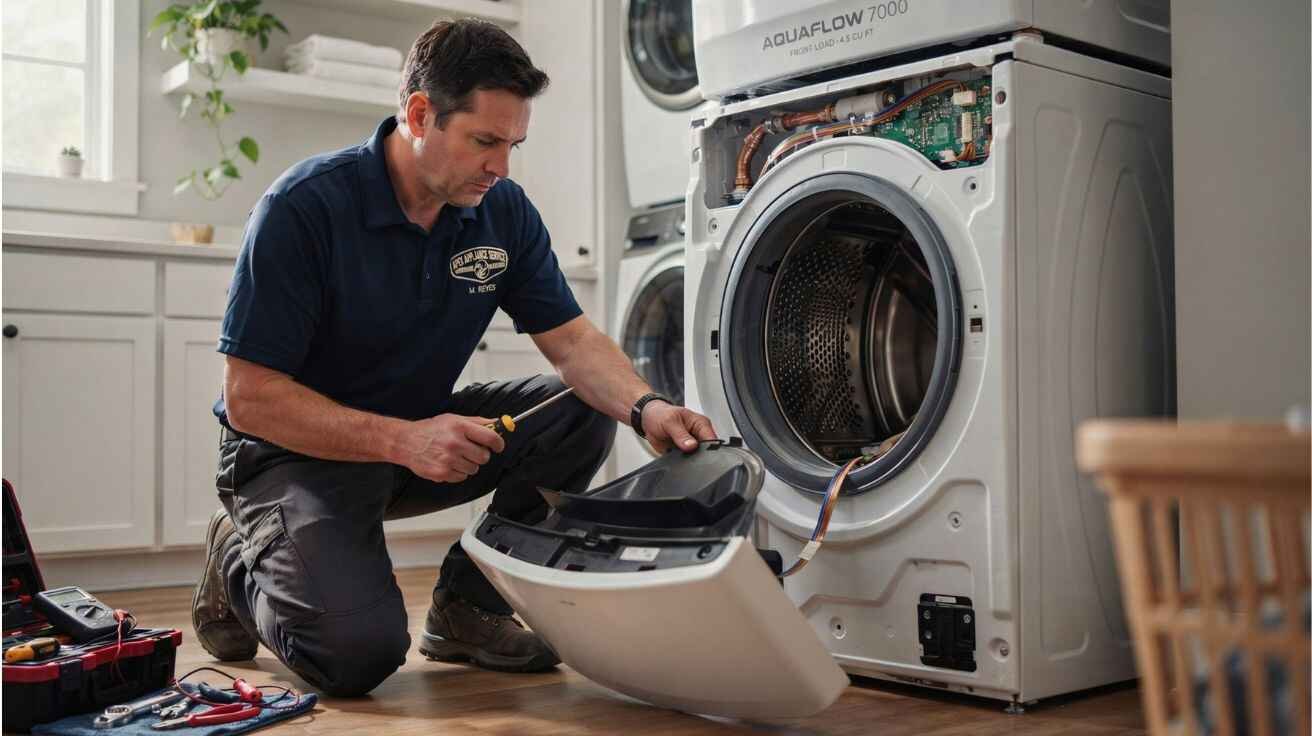
To clean a washing machine properly, run a hot cycle using vinegar and baking soda, clean the detergent drawer, scrub the rubber gasket, and clear the filter. Repeat this monthly to remove odor, mold, detergent buildup, and bacteria while improving washing performance and machine lifespan.
Why Understanding How to Clean a Washing Machine Properly is Important
Understanding proper washing machine maintenance is essential for hygiene, performance, and long-term durability of your appliance. Many users assume that because water flows through the machine, it stays clean automatically. This is incorrect.
Inside every washing machine, especially after repeated use, moisture, detergent residue, fabric lint, and bacteria begin to accumulate. Over time, this leads to bad smell, mold formation, and reduced washing efficiency.
Why Cleaning a Washing Machine is Important
A washing machine is a high-moisture environment, which makes it a perfect breeding ground for bacteria and mold. Even if clothes look clean, the internal drum may be contaminated.
Major Problems Caused by a Dirty Washing Machine:
- Mold growth inside rubber gasket
- Sticky detergent and fabric softener buildup
- Foul smell inside drum
- Reduced washing performance
- Blocked filter and drainage issues
- Clothes coming out with bad odor
If ignored, these issues can shorten machine lifespan and increase repair costs.
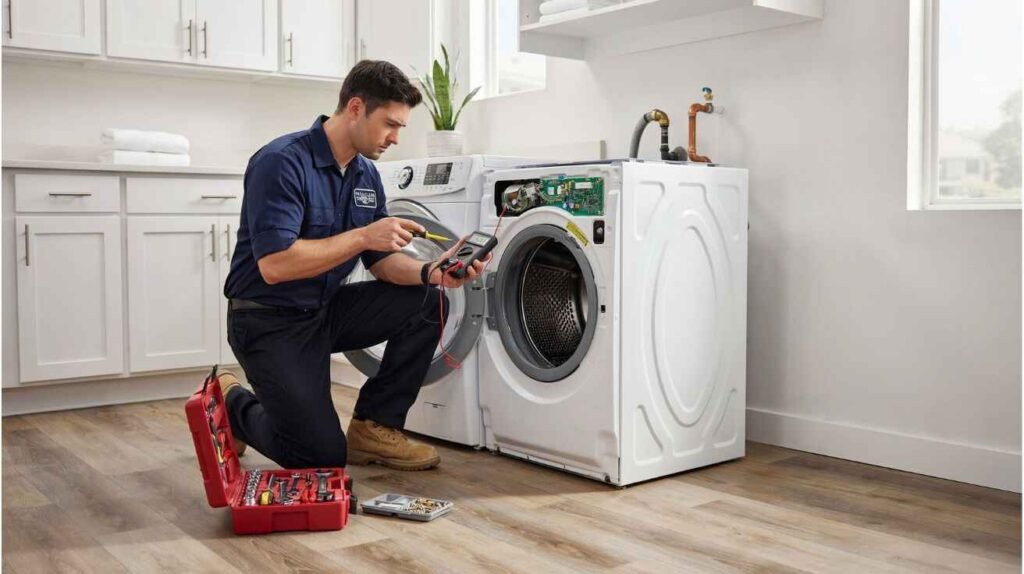
Signs Your Washing Machine Needs Cleaning
Before starting the cleaning process, it is important to identify the warning signs:
- Clothes smell bad after washing
- Black mold spots on rubber seal
- Slow water drainage
- Visible dirt inside drum
- Strong odor when opening machine door
- Soap residue on washed clothes
These are strong indicators that deep cleaning is required immediately.
Tools Required for Proper Cleaning
To perform proper washing machine maintenance, gather the following items:
- White vinegar
- Baking soda
- Microfiber cloth
- Soft brush or toothbrush
- Warm water
- Mild detergent
- Optional: machine cleaning solution
These tools are safe, cost-effective, and widely recommended by appliance maintenance experts.
Step-by-Step Guide: How to Clean a Washing Machine Properly
1. Drum Deep Cleaning Cycle (Core Method)
Start with an empty drum. Run a hot water cycle and add:
- 2 cups white vinegar
- ½ cup baking soda
This combination breaks down detergent residue, kills bacteria, and removes odor.
This is one of the most effective natural cleaning methods used globally.
2. Clean the Rubber Gasket (Critical Area)
The rubber seal is one of the dirtiest parts in front-load machines.
Steps:
- Spray vinegar solution inside gasket folds
- Scrub gently using soft brush
- Remove visible mold or dirt
- Wipe completely dry
Moisture trapped here is the main cause of bad smell.
3. Clean the Detergent Drawer
- Remove detergent tray
- Soak in warm water
- Scrub buildup using brush
- Clean hidden corners
- Dry before reinserting
4. Clean the Filter System
The filter collects lint, coins, and debris.
- Open filter cover
- Remove trapped dirt
- Wash under running water
- Reinstall properly
5. Exterior Cleaning
Use microfiber cloth to clean:
- Door glass
- Control panel
- Outer body
Front Load vs Top Load Washing Machine Cleaning Guide
| Feature | Front Load Washing Machine | Top Load Washing Machine |
|---|---|---|
| Cleaning Difficulty | Moderate | Easy |
| Mold Risk | High (rubber gasket area) | Low |
| Cleaning Frequency | Monthly deep cleaning required | Every 1–2 months |
| Main Problem Area | Rubber seal + moisture buildup | Drum + lint accumulation |
| Maintenance Effort | High | Low |
Front load machines require more care due to sealed moisture environment, while top load machines are easier to maintain but still need regular cleaning.
Natural vs Chemical Cleaning Methods
| Method | Advantages | Disadvantages |
|---|---|---|
| Vinegar + Baking Soda | Safe, cheap, eco-friendly | Requires repetition |
| Chemical Cleaners | Fast results | May damage rubber over time |
Natural cleaning is preferred for long-term machine health and safety.
How to Remove Bad Smell from Washing Machine
Bad odor is one of the top search queries related to How to Clean a Washing Machine Properly.
Effective Solutions:
- Run monthly vinegar hot cycle
- Always keep door open after wash
- Clean rubber gasket weekly
- Avoid excess detergent usage
- Remove wet clothes immediately
Maintenance Tips for Long Machine Life
- Do not overload washing machine
- Use correct detergent quantity
- Clean filter every 2 weeks
- Keep door open after use
- Run maintenance cycle monthly
These habits significantly increase machine lifespan and performance.
Common Mistakes People Make
- Using too much detergent
- Ignoring gasket cleaning
- Not cleaning filter regularly
- Leaving wet clothes inside
- Closing door immediately after wash
These mistakes directly cause mold, odor, and machine damage.
FAQs
1. How do I clean a washing machine properly at home?
To clean a washing machine properly at home, run a hot wash cycle with white vinegar and baking soda, then clean the detergent drawer, rubber gasket, and filter. Repeat this monthly to remove dirt, mold, and odor.
2. What is the best natural way to clean a washing machine?
The best natural way is using white vinegar and baking soda. Vinegar kills bacteria and removes odor, while baking soda breaks down detergent buildup and freshens the drum.
3. Why does my washing machine smell bad even after washing clothes?
Bad smell usually comes from mold, trapped moisture, and detergent residue inside the drum or rubber seal. Regular deep cleaning and leaving the door open helps prevent this.
4. How often should I clean my washing machine?
You should deep clean your washing machine once every month and do a light cleaning (wiping gasket and door) every week for best hygiene and performance.
5. Can I use vinegar in all types of washing machines?
Yes, vinegar is generally safe for both front-load and top-load machines when used in moderate amounts during cleaning cycles. It helps remove odor and bacteria naturally.
6. What happens if I don’t clean my washing machine?
If not cleaned regularly, the machine can develop mold, bad odor, clogged filters, poor washing performance, and may even damage clothes over time.
7. How do I remove mold from washing machine rubber seal?
Spray vinegar solution on the rubber seal, scrub gently with a toothbrush, and wipe it dry completely. Repeat weekly to prevent mold from coming back.
Leave a Reply