Fix Master Appliances

Category: Washing Repair Service

  • Washing Machine Repair Dubai: Common Problems, Causes, Costs & Solutions

    Washing Machine Repair Dubai: Common Problems, Causes, Costs & Solutions

    A washing machine can go from working normally to becoming a major household problem in just one cycle. One day it is washing clothes normally; the next, it may stop spinning, leave water inside the drum, leak onto the floor, or refuse to start.

    For busy Dubai households, families, landlords, and businesses, even a short appliance breakdown can disrupt daily routines. Dubai’s local conditions, including hard water and high temperatures, can also contribute to wear on certain washing machine components.

    The good news is that many washing machine repair problems can be diagnosed and repaired without replacing the entire appliance. Understanding the symptoms, possible causes, repair costs, and maintenance requirements can help you make a more informed decision.

    This guide explains common washing machine faults, when professional help may be needed, what affects repair costs, and how to decide between repairing and replacing a washing machine.

    Common Washing Machine Problems in Dubai

    Washing machine faults can involve mechanical, electrical, electronic, water, drainage, or heating components. The same symptom can sometimes have several different causes, which is why replacing a part without proper diagnosis may not solve the problem.

    Washing Machine Not Starting

    If the washing machine does not start, the cause may be related to:

    • Power supply
    • Door-lock mechanism
    • Wiring
    • Control board
    • Internal electrical components

    First, check whether the appliance is receiving power and whether the door is properly closed. If the machine still does not respond, a washing machine technician in Dubai can inspect the relevant electrical and control components.

    Washing Machine Not Spinning

    A washing machine not spinning may have a problem with the motor, belt, drum, load balance, control system, or another component.

    For example, if the machine fills with water and completes part of the wash cycle but the drum does not spin, the issue may not necessarily be the motor itself.

    A proper inspection can help determine whether the problem involves the drive system, motor, control system, or another component.

    Washing Machine Not Draining

    If water remains inside the drum after a wash cycle, the machine may have a drainage problem.

    Possible causes include:

    • Blocked drain filter
    • Restricted drain hose
    • Faulty drain pump
    • Foreign object in the drainage system

    A blocked drainage system can prevent the machine from completing its cycle and may contribute to leakage if the problem continues.

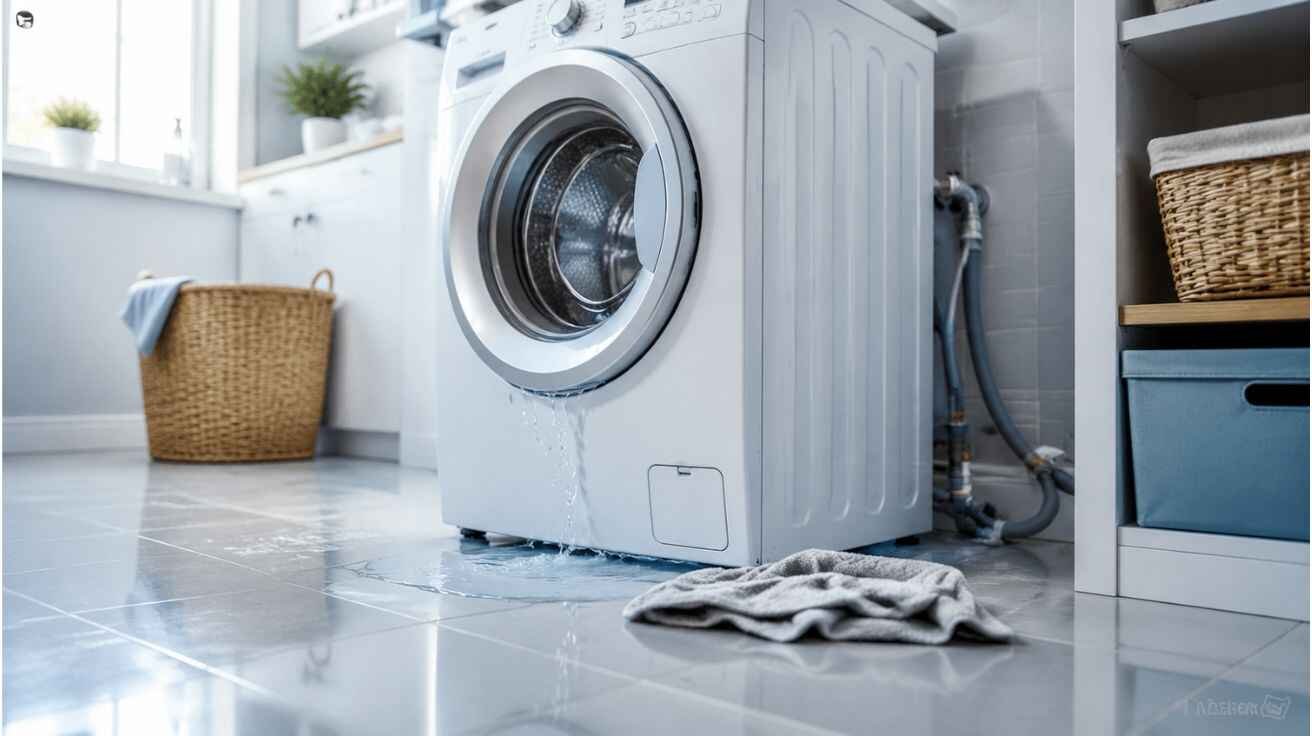
    Washing Machine Leaking Water

    A washing machine leaking water can have several possible sources, including:

    • Door seal or gasket
    • Water inlet hose
    • Drain hose
    • Pump
    • Detergent drawer
    • Loose connections

    The location of the water can provide an initial clue, but it does not always identify the failed component.

    If water is reaching electrical connections, stop using the appliance and arrange a professional inspection.

    Washing Machine Making Loud Noises

    Unusual sounds may result from an unbalanced load, foreign object, worn bearing, loose component, belt problem, drum issue, or motor-related fault.

    The type and timing of the noise can help a technician narrow down the possible cause.

    For example, noise only during spinning may point toward a different area of the machine than a continuous humming sound during the wash cycle.

    Washing Machine Not Filling With Water

    If the machine does not fill correctly, possible causes include:

    • Water supply problem
    • Inlet hose restriction
    • Inlet valve fault
    • Blocked filter
    • Pressure-related component
    • Electronic control issue

    Before arranging a repair, check that the water supply is available and the inlet hose is not visibly blocked or kinked.

    Washing Machine Stopping Mid-Cycle

    A washing machine that stops during a cycle may be experiencing a drainage problem, water supply issue, door-lock fault, sensor problem, overheating, motor fault, or electronic issue.

    If the display shows an error code, record it before switching the appliance off. This information can help the technician understand where to begin the diagnosis.

    Washing Machine Door Lock Problems

    Modern washing machines use door-lock mechanisms to prevent the door from opening during certain parts of a cycle.

    A faulty lock, damaged mechanism, wiring issue, or control problem can prevent the machine from starting or completing a cycle.

    Avoid forcing the door open, particularly when water remains inside the drum.

    Washing Machine Error Codes

    Error codes are designed to indicate that the machine has detected a problem.

    However, an error code does not always mean that one specific component needs immediate replacement. Related components may need to be tested before the actual fault is confirmed.

    If the same error repeatedly appears after following the manufacturer’s basic troubleshooting instructions, professional diagnosis may be appropriate.

    Washing Machine Motor Repair in Dubai

    The motor plays an important role in drum movement during washing and spinning.

    A motor-related problem can cause symptoms such as:

    • Drum not turning
    • Spinning failure
    • Unusual motor noise
    • Machine stopping during operation
    • Motor overheating

    What Is Checked During Motor Diagnosis?

    A technician may inspect:

    • Motor operation
    • Motor connections
    • Wiring
    • Signs of overheating
    • Belt or drive components
    • Control components
    • Physical damage

    This is important because a machine that appears to have a motor problem may actually have a fault elsewhere in the drive or control system.

    Washing Machine Motor Repair vs Replacement

    Whether a motor should be repaired or replaced depends on the machine, motor type, fault, availability of parts, and overall appliance condition.

    The appropriate solution should be determined after diagnosis rather than simply replacing the motor because the machine is not spinning.

    For customers specifically searching for washing machine motor repair Dubai, providing the machine’s brand and model can help the technician understand the appliance before the visit.

    Washing Machine Electrical and Electronic Repairs

    Modern washing machines use electronic systems to control water intake, temperature, timing, spinning, safety locks, and other functions.

    Common Electrical Washing Machine Problems

    Electrical faults may involve:

    • Power connections
    • Wiring
    • Door-lock circuits
    • Internal electrical components
    • Control systems

    Electrical problems should not be investigated by opening the appliance without appropriate technical knowledge.

    Washing Machine Control Board Problems

    The control board manages many of the machine’s programmed functions.

    A control-board problem can produce different symptoms, including failure to start, unexpected stopping, error codes, or cycle problems.

    Because similar symptoms can result from other faults, diagnosis should be completed before replacing an expensive control component.

    Washing Machine Sensors and Electronic Components

    Sensors help the washing machine monitor different conditions during a cycle.

    Depending on the machine, these can include temperature-related sensors and other components used to control the programmed operation.

    A sensor fault can sometimes look similar to a control-board or heating problem, making proper testing important.

    Washing Machine Thermostat and Heating Problems

    Washing machines that use heated wash programs rely on several components to control water temperature.

    What Does a Washing Machine Thermostat Do?

    The thermostat and related temperature-control components help the machine maintain the required temperature for selected programs.

    A problem with this system can affect washing performance or prevent water from reaching the expected temperature.

    Washing Machine Not Heating Water

    If a selected program requires heated water but the water remains cold, possible causes include:

    • Heating element
    • Thermostat
    • Temperature sensor
    • Wiring
    • Control board

    The actual failed component should be identified before a replacement is recommended.

    Washing Machine Overheating or Incorrect Temperature

    Incorrect temperature can indicate a problem with the heating or temperature-control system.

    A technician may need to inspect the thermostat, heating element, sensors, wiring, and control components.

    Thermostat, Heating Element and Sensor Diagnosis

    These components work together, which means a fault in one area can sometimes produce symptoms associated with another.

    Testing the complete temperature-control system can therefore help avoid unnecessary part replacement.

    Washing Machine Types We Service

    Different washing machine designs use different components and operating systems. The repair approach can therefore vary by machine type.

    Front Load Washing Machine Repair

    Front-load machines can develop problems involving:

    • Door locks
    • Drainage
    • Door seals
    • Bearings
    • Motors
    • Electronics
    • Water systems

    Top Load Washing Machine Repair

    Top-load machines have different drum and access arrangements.

    Possible repair requirements include:

    • Motor problems
    • Drainage faults
    • Water inlet problems
    • Lid-lock issues
    • Control faults
    • Spinning problems

    Fully Automatic Washing Machine Repair

    Fully automatic machines manage washing, rinsing, and spinning through programmed cycles.

    A technician may need to determine whether the problem occurs during water intake, washing, drainage, spinning, heating, or another stage.

    Semi-Automatic Washing Machine Repair

    Semi-automatic machines commonly use separate washing and spinning functions.

    Repair requirements may involve the motor, timer, drainage system, or control components.

    Washer Dryer Repair

    A washer dryer combines washing and drying functions in one appliance.

    Problems can affect:

    • Washing
    • Drying
    • Heating
    • Drainage
    • Motor
    • Sensors
    • Electronics

    When requesting washer dryer service, explain whether the issue affects the washing function, drying function, or both.

    Washing Machine Brands and Model-Specific Repairs

    Washing machines from different manufacturers can use different components and control systems. The exact model is therefore important when assessing a repair.

    Bosch Washing Machine Repair

    Bosch machines are available in different models and configurations.

    When requesting Bosch service, provide the model number and explain the problem, such as drainage, spinning, heating, leakage, or an error code.

    Miele Washing Machine Repair

    Miele washing machines also vary by model.

    Providing the exact model and reported fault can help determine the appropriate repair requirements.

    Other Washing Machine Brands

    For other brands, service requirements depend on the machine’s model, components, age, and fault.

    Providing the brand, model number, and a description of the problem can make the initial service assessment more useful.

    Residential Washing Machine Repair in Dubai

    A washing machine is often used several times a week in a household, so even a relatively small fault can quickly affect normal routines.

    Washing Machine Repair for Apartments

    Apartment residents may have limited space around the appliance, making on-site assessment practical where suitable.

    Common apartment-related washing machine problems include:

    • Leakage
    • Drainage
    • Spinning
    • Door-lock faults
    • Water supply problems

    Washing Machine Repair for Villas

    Washing machines in villas may be installed in kitchens, utility rooms, laundry rooms, or other areas.

    Providing the appliance’s exact location inside the property can help with service planning.

    Common Home Washing Machine Problems

    Residential customers commonly seek assistance for:

    • No power
    • No spinning
    • Poor drainage
    • Water leakage
    • No water intake
    • Unusual noise
    • Error codes
    • Door-lock problems

    Commercial Washing Machine Repair Dubai

    Commercial washing machines can be essential for businesses that process laundry regularly.

    A fault can interrupt scheduled washing and create additional work for staff.

    Where Commercial Washing Machines Are Used

    Commercial machines may be found in:

    • Laundry businesses
    • Hotels
    • Accommodation facilities
    • Other properties with regular laundry requirements

    Common Commercial Washing Machine Faults

    Commercial machines can experience:

    • Motor problems
    • Drainage faults
    • Water inlet issues
    • Heating problems
    • Electrical faults
    • Electronic or control problems

    Washing Machine Downtime and Business Operations

    For a business, a washing machine breakdown can affect daily operations.

    Commercial customers should provide information about the machine’s model, operating frequency, location, and reported problem when requesting service.

    Repeated Commercial Washing Machine Problems

    If the same fault keeps returning, replacing the same component may not solve the underlying problem.

    The machine should be assessed for related issues, installation conditions, operating patterns, or another component that may be contributing to the repeated fault.

    How Much Does Washing Machine Repair Cost in Dubai?

    There is no single repair price that applies to every washing machine.

    The final cost depends on the appliance and the fault identified during diagnosis.

    Factors That Affect Washing Machine Repair Cost

    Important factors include:

    • Washing machine brand
    • Model
    • Machine type
    • Nature of the fault
    • Required replacement part
    • Labour
    • Complexity of the repair

    Washing Machine Motor Repair Cost

    Motor-related costs can vary depending on the motor type, machine model, nature of the fault, and whether repair or replacement is appropriate.

    A technician should diagnose the issue before a final motor repair cost is confirmed.

    Why You Need Diagnosis Before a Final Repair Price

    A washing machine that is not spinning, for example, could have a motor, belt, control, load-balance, or drum-related problem.

    Quoting a repair based only on the symptom can therefore be misleading.

    A proper diagnosis helps identify what actually needs attention.

    When Should You Call a Washing Machine Technician?

    Some washing machine problems can be checked through basic manufacturer-recommended troubleshooting. Others require professional inspection.

    Signs You Should Request Professional Repair

    Consider contacting a technician when:

    • The machine will not start
    • Water remains inside the drum
    • The machine repeatedly leaks
    • It produces unusual mechanical noise
    • It repeatedly stops during cycles
    • Error codes continue to appear
    • The drum does not spin
    • There is a burning smell
    • You notice smoke or sparks

    When DIY Troubleshooting May Not Be Appropriate

    Avoid opening the machine or attempting internal repairs if the problem involves:

    • Electrical components
    • Burning smells
    • Smoke
    • Sparks
    • Internal wiring
    • Persistent water leakage

    Safety should come before attempting to save the cost of a service visit.

    Emergency Washing Machine Repair in Dubai

    Not every washing machine fault is an emergency, but water and electrical problems can require prompt attention.

    What to Do If Your Washing Machine Is Leaking

    If the machine is leaking:

    1. Stop the wash cycle.
    2. Switch off the appliance safely.
    3. Disconnect power only if it is safe to do so.
    4. Close the relevant water supply if appropriate.
    5. Keep away from wet electrical connections.
    6. Arrange professional inspection if the problem continues.

    What to Do If You Smell Burning or See Sparks

    Stop using the washing machine immediately.

    Do not open the appliance or attempt to repair internal electrical components yourself.

    If there is smoke or visible sparking, keep away from the appliance and seek appropriate professional assistance.

    Same-Day Washing Machine Repair

    Customers searching for same-day service should provide their Dubai location, washing machine model, and problem when contacting a repair company.

    Same-day availability depends on technician schedules, location, and the type of repair required.

    How to Book Washing Machine Repair in Dubai

    Booking a repair becomes easier when you provide the technician with useful information before the visit.

    Contact a Washing Machine Repair Service

    Contact a local appliance repair provider and explain the problem clearly.

    If you are searching for washing machine repair near me, confirm that the provider covers your Dubai location.

    Provide Your Washing Machine Details

    Share:

    • Brand
    • Model number
    • Main problem
    • Error code, if displayed
    • Dubai location
    • Preferred service time

    A photo of the control panel or error code can also help explain the issue.

    Technician Diagnosis

    The technician can inspect the appliance and identify the components relevant to the reported fault.

    Depending on the problem, this may involve the motor, drainage system, water supply, electrical components, heating system, sensors, or controls.

    Repair Approval

    Before repair work begins, the customer should understand the identified problem, recommended repair, and applicable charges.

    This reduces the risk of unexpected repair costs.

    Repair and Testing

    After approval, the repair can be completed according to the identified fault.

    The machine should then be tested to check whether the relevant function is operating as expected.

    Washing Machine Replacement Parts and Component Repairs

    Not every washing machine fault requires replacement of the entire appliance.

    Individual components can sometimes be repaired, cleaned, adjusted, or replaced depending on their condition.

    Drain Pump Repair or Replacement

    A faulty or blocked drain pump can prevent water from leaving the drum.

    The drainage system should be inspected before deciding whether cleaning, repair, or replacement is required.

    Door Lock Repair

    A faulty door lock can prevent the machine from starting or completing its cycle.

    The lock, wiring, and associated controls may need inspection.

    Washing Machine Belt Repair

    On belt-driven machines, a damaged or worn belt can affect drum movement.

    Symptoms may include failure to spin or unusual drum movement.

    Drum and Bearing Issues

    Drum or bearing problems can produce excessive noise, vibration, or unusual movement.

    The repair requirement depends on the machine’s design and the condition of the affected components.

    Water Inlet Valve Repair

    The inlet valve controls water entering the machine.

    A problem with the valve or associated water-entry system can affect filling and wash-cycle operation.

    Control Board Repair

    The control board manages electronic functions within the appliance.

    Because control faults can produce different symptoms, diagnosis should be completed before considering replacement.

    Seal and Gasket Replacement

    A damaged seal or gasket can contribute to water leakage.

    The correct replacement part depends on the machine’s brand and model.

    Washing Machine Repair Parts

    Replacement parts should match the washing machine’s exact model and component configuration.

    Providing the model number can help identify the correct part requirement.

    How to Maintain Your Washing Machine

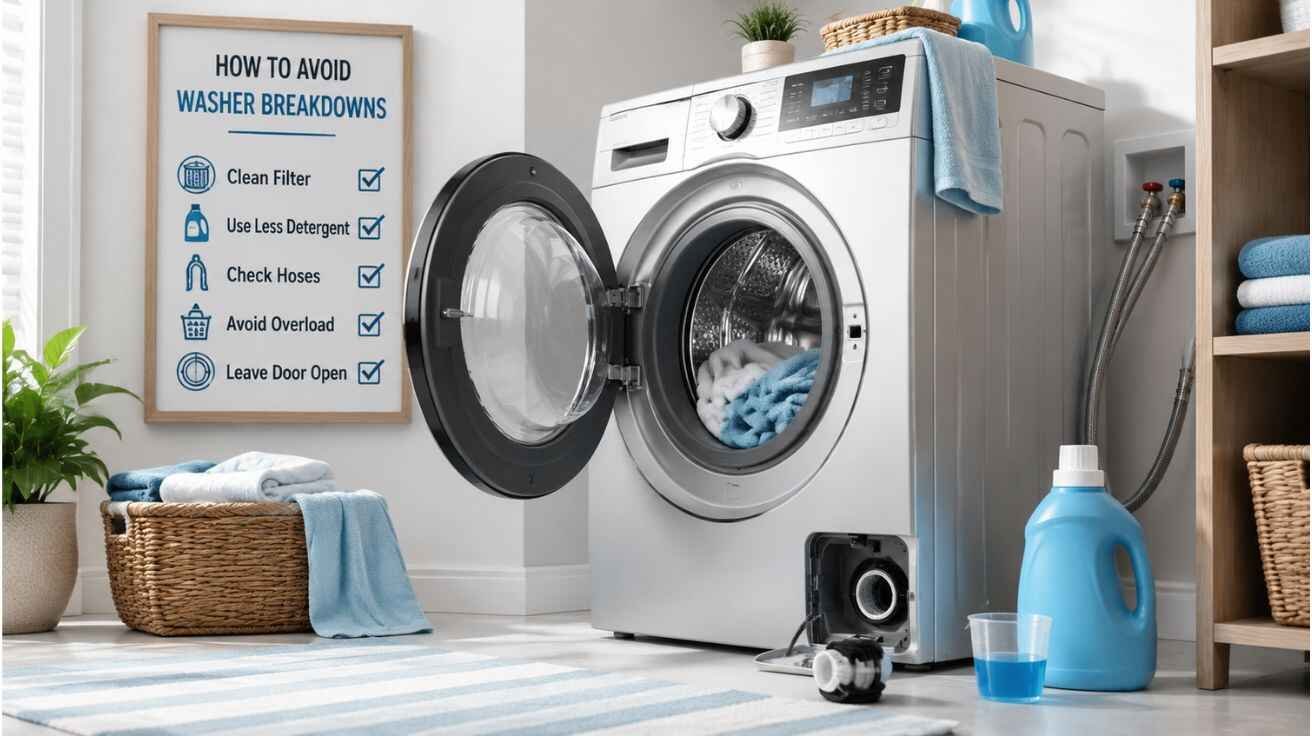
    Regular maintenance cannot prevent every breakdown, but it can help reduce avoidable problems.

    Clean the Washing Machine Regularly

    Clean the detergent drawer, door seal, and other relevant areas according to the manufacturer’s instructions.

    Avoid Overloading the Drum

    Overloading can place additional stress on the drum, motor, suspension, and other components.

    Follow the load capacity specified for your machine.

    Check the Drain Filter

    A blocked filter can affect drainage.

    Check and clean it according to the manufacturer’s instructions.

    Inspect Water Hoses

    Look for:

    • Cracks
    • Loose connections
    • Visible leakage
    • Signs of deterioration

    A damaged hose should be addressed rather than ignored.

    Keep the Door Seal Clean

    Door seals can collect detergent residue, lint, and moisture.

    Regular cleaning can help maintain proper sealing and hygiene.

    Use the Correct Detergent

    Use detergent suitable for the machine and follow the manufacturer’s dosage recommendations.

    Using excessive detergent can leave residue and may affect appliance cleanliness.

    Consider Preventive Maintenance for Commercial Machines

    Commercial machines that operate frequently may benefit from periodic inspection, particularly when they develop repeated problems.

    For residential appliances, maintenance requirements depend on the machine, usage, age, and manufacturer’s recommendations.

    Repair or Replace Your Washing Machine?

    When a washing machine develops a serious fault, many owners immediately wonder whether repairing it is worthwhile.

    There is no universal answer.

    Factors to Consider

    Consider:

    • Age of the washing machine
    • Overall condition
    • Nature of the fault
    • Repair cost
    • Availability of replacement parts
    • Previous repair history
    • Expected future use

    A relatively minor component problem may have a different repair decision from a major fault in an older appliance.

    Why Diagnosis Should Come First

    You cannot properly compare repair and replacement without understanding the actual fault.

    For example, a machine that is not spinning could require attention to a belt, motor, control system, or another component.

    Once the problem and repair requirement are understood, the owner can compare the available options.

    Questions to Ask Before Approving a Repair

    Ask:

    • What component is causing the problem?
    • Can the component be repaired?
    • Does it need replacement?
    • Is the correct replacement part available?
    • What work is required?
    • What will the applicable repair charges be?
    • Has the machine been tested after repair?

    Washing Machine Repair Case Studies

    Real case studies can help customers understand how professional diagnosis works.

    However, case studies should only be published when they are based on genuine repair jobs.

    Residential Water Leakage Case Study

    A useful case study can explain:

    • Machine type
    • Reported leakage
    • Location of the leak
    • Technician’s diagnosis
    • Component involved
    • Repair performed
    • Testing after repair

    Avoid publishing unnecessary customer information.

    Washing Machine Not Spinning Case Study

    A real case study could show how a machine that was not spinning was diagnosed.

    It should explain the reported symptom, actual cause, repair performed, and testing afterward.

    Commercial Washing Machine Case Study

    For a commercial customer, explain:

    • Business type
    • Machine type
    • Reported fault
    • Diagnosis
    • Repair
    • Testing
    • Verified result

    Motor Repair Case Study

    A motor-related case study can include:

    • Motor symptom
    • Machine type
    • Diagnosis
    • Motor condition
    • Repair or replacement
    • Testing after completion

    Do not create fictional reviews, repair results, customer names, or case studies simply to make the page appear more authoritative.

    Benefits of Professional Washing Machine Repair in Dubai

    Professional diagnosis can provide several practical benefits for customers dealing with a faulty appliance.

    • Accurate fault diagnosis: Helps identify the possible cause instead of relying only on the visible symptom.
    • On-site assessment: Suitable machines can be inspected at the customer’s home or business.
    • Reduced unnecessary replacement: Diagnosis can help determine whether a component actually needs replacement.
    • Residential and commercial support: Different appliance environments can be assessed according to their requirements.
    • Model-specific repair: Brand and model information can help identify appropriate components.
    • Professional handling of technical faults: Electrical, mechanical, heating, and water-related issues can be assessed appropriately.
    • Testing after repair: The machine can be checked after approved repair work.

    Washing Machine Repair Service Areas in Dubai

    Customers looking for washing machine repair in Dubai should confirm whether their property falls within the current service area before booking.

    Washing Machine Repair Near Me

    When searching for washing machine repair near me, provide your exact Dubai location along with the appliance brand and problem.

    This helps the service provider determine whether a technician can be assigned to the location.

    Residential Service Areas

    Residential service may cover suitable:

    • Apartments
    • Villas
    • Residential buildings
    • Other homes within the company’s actual service coverage

    Commercial Service Areas

    Commercial customers can provide their business location, machine type, model, and fault when requesting service.

    Business Location

    Al Barsha, Dubai, UAE

    Frequently Asked Questions

    How much does washing machine repair cost in Dubai?

    The cost depends on the machine brand, model, type of fault, required parts, labour, and repair complexity. A proper diagnosis is generally needed before confirming the final repair requirement.

    Do you provide same-day washing machine repair in Dubai?

    Same-day service may be available depending on technician schedules, location, and the type of repair required. Customers should provide their location and appliance problem when requesting service.

    Do you repair washing machine motors?

    Motor-related problems can be assessed. The technician can determine whether the motor, belt, wiring, control system, or another component is responsible for the reported problem.

    Do you repair washing machine thermostats?

    Thermostat and temperature-related faults can be assessed. The thermostat, heating element, sensors, wiring, and related controls may need to be checked.

    Do you repair Bosch washing machines?

    Bosch washing machine service can be requested by providing the model number and reported fault. Service availability should be confirmed before booking.

    Do you repair Miele washing machines?

    Customers can provide the Miele model number and describe the problem when requesting service. The repair requirement depends on the specific appliance.

    Can a washing machine be repaired at home?

    Suitable washing machine problems can be assessed at the customer’s property. Whether the repair can be completed on-site depends on the machine, fault, parts, and repair requirements.

    Do you repair commercial washing machines?

    Commercial washing machine repair can be requested for suitable machines. Businesses should provide the machine type, location, model, and operational problem.

    How can I find washing machine repair near me?

    Search for a local appliance repair provider and confirm that it services your Dubai location. Providing the machine brand, model, and fault can help with the service request.

    Should I repair or replace my washing machine?

    The decision depends on the appliance’s age, condition, fault, repair cost, parts availability, and expected future use. Understanding the actual fault first can help you compare the available options.

    Can you repair washer dryer machines?

    Washer dryer repair can be requested for suitable machines. Explain whether the issue affects washing, drying, drainage, heating, spinning, or another function.

    Do you provide washing machine repair parts?

    Replacement parts may be required for some repairs. The correct component depends on the washing machine’s brand and model, so provide the model number when requesting service.

    Conclusion

    A washing machine problem does not automatically mean the entire appliance needs to be replaced.

    Problems such as a washing machine not spinning, washing machine not draining, water leakage, unusual noise, heating failure, or repeated error codes can have several possible causes. Proper diagnosis helps identify the component or system responsible for the problem.

    For Dubai homes, villas, apartments, and businesses, choosing the appropriate repair approach also means considering the machine’s age, condition, usage, model, parts availability, and repair cost.

    If your washing machine is showing a persistent fault, provide the technician with the brand, model, problem, error code, and Dubai location. This information can make the service request clearer and help determine the appropriate next step.

    Need washing machine repair in Dubai? Contact Fix Master Appliances to request a diagnosis and check service availability for your appliance.

    References

    For factual information about individual washing machine models, troubleshooting procedures, error codes, and maintenance requirements, consult the relevant manufacturer’s official manuals and support documentation.

    Where market statistics or Dubai-specific appliance information are added, use the original and current source rather than relying on secondary claims.
  • When to Replace vs Repair a Washer: Smart Homeowner’s Guide

    When to Replace vs Repair a Washer: Smart Homeowner’s Guide

    You should repair your washer if it is less than 7 years old, the repair cost is low, the problem is small, and parts are easily available. You should replace your washer if it is more than 10 years old, repairs are expensive, it breaks down again and again, or it has safety issues like burning smell, sparks, smoke, or major leaks.

    Why This Decision Matters

    Many people choose the cheapest option without thinking about the future. A small repair on a good washer can be a smart choice. But spending a large amount on an old and weak washer can become a waste of money. If the machine is already noisy, inefficient, rusty, or close to the end of its life, another problem may appear soon after the first repair.

    The right choice depends on washer age, repair cost, new washer price, problem type, and overall condition.

    The 50% Repair Rule

    The 50% rule is one of the easiest ways to decide. If the repair cost is less than 50% of the price of a similar new washer, repair may be worth it. If the repair cost is 50% or more, replacement is usually better.

    For example, if a new washer costs $800 and the repair is $200, repairing makes sense. But if the repair is $450 or $500, buying a new washer may be smarter. A new washer also gives you a fresh warranty, better performance, and peace of mind.

    When You Should Repair a Washer

    Repair is usually the best option when the washer is still new or in good condition. If your washer is under 5 years old and has not had many past problems, it is usually worth repairing. Common repairable problems include a clogged drain hose, blocked pump filter, broken belt, faulty lid switch, damaged door latch, or loose hose.

    A washer that does not drain may only need filter cleaning or a drain pump repair. A washer that shakes too much may only need leveling or a smaller laundry load. A washer that does not start may have a door lock or power issue. These problems are often cheaper than replacement.

    You should also repair the washer if it is still under warranty. Before paying a technician, check your purchase receipt, warranty card, or manufacturer website. Some repairs may be covered fully or partly.

    When You Should Replace a Washer

    Replacement is usually better when the washer is old and the repair is expensive. If your washer is more than 10 years old and needs a major repair, it may not be worth spending money on it. Older washers often develop repeated problems because many internal parts are already worn.

    You should replace your washer if it has a damaged motor, cracked tub, bad drum bearing, failed control board, severe rust, or repeated water leaks. These repairs can be expensive, and sometimes the cost comes close to buying a new machine.

    Safety problems are also a strong reason to replace a washer. If you notice burning smell, smoke, sparks, or water leaking near electrical parts, stop using the machine. Unplug it and call a qualified technician. If the washer is very old, replacement may be the safer choice.

    Washer Age Guide

    If your washer is 1 to 3 years old, repair it unless the damage is very serious. It should still have many useful years left.

    If your washer is 4 to 7 years old, repair is usually a good choice for small and medium problems.

    If your washer is 8 to 10 years old, compare the repair cost with the price of a new washer before deciding.

    If your washer is more than 10 years old, replacement is often better, especially if it has already needed repairs before.

    Common Washer Problems: Repair or Replace?

    If your washer is not draining, the problem may be a clogged hose, blocked filter, or faulty drain pump. This is usually repairable.

    If your washer is not spinning, it may be an unbalanced load, broken belt, lid switch issue, motor fault, or control board problem. Small issues are worth repairing, but motor and control board problems on an old washer may not be worth fixing.

    If your washer is leaking, check the hoses, door gasket, and water connections. Small leaks can be repaired. But if the tub is cracked or leaks keep coming back, replacement may be better.

    If your washer makes a loud grinding or roaring noise, it may have bad bearings or drum problems. These repairs can be costly, especially in front-load washers.

    Check Before Calling a Technician

    Before spending money, do a few simple checks. Make sure the washer is plugged in. Check the circuit breaker. Confirm that water valves are open. Look for a blocked or bent drain hose. Make sure the washer is level. Try a smaller load if the machine is shaking.

    Do not open electrical parts yourself. If you smell burning, see sparks, or notice water near wires, stop using the washer and call a professional.

    Final Verdict

    The best way to decide when to replace vs repair a washer is to look at age, repair cost, safety, and condition. Repair a newer washer with a small problem. Replace an old washer with expensive repairs, repeated breakdowns, poor performance, or safety risks. In simple words, spend small money on a good washer, but do not spend big money on a machine that is already near the end of its life.

    FAQs

    1. Is it worth repairing a 10-year-old washer?

    A small repair may be worth it, but major repairs like motor, drum, or control board replacement are usually not a good choice.

    2. How much is too much for washer repair?

    If the repair costs 50% or more of a similar new washer, replacement is usually better.

    3. Should I replace my washer if it is not spinning?

    Not always. It may be a simple issue like an unbalanced load or broken belt. But if the motor or control board is bad, replacement may be better.

    4. What washer problems are usually worth fixing?

    Clogged drains, faulty hoses, door latch issues, belts, filters, and minor pump problems are usually worth fixing.

    5. What washer problems are not worth fixing?

    Cracked tubs, bad bearings, failed motors, repeated leaks, severe rust, and expensive control board problems are often not worth fixing on old washers.

  • Washer Motor Issues: Common Signs, Causes, and Repair Guide

    Washer Motor Issues: Common Signs, Causes, and Repair Guide

    Washer Motor Issues happen when the motor or a related part stops the washing machine from spinning, agitating, or completing a normal cycle. The washer motor gives power to the drum so clothes can move during washing and spinning. When the motor becomes weak, stuck, overheated, or damaged, the washer may stop suddenly, make strange sounds, or leave clothes wet after the cycle.

    However, the motor is not always the real problem. A broken drive belt, faulty lid switch, bad door lock, weak capacitor, blocked drain pump, worn carbon brushes, or control board fault can also create the same symptoms. This is why proper diagnosis is important before replacing the motor.

    Why the Washer Motor Is Important

    The washer motor is one of the main parts of a washing machine. It helps the drum move during wash, rinse, and spin cycles. In some washers, the motor turns a belt that moves the drum. In direct-drive washers, the motor connects more directly to the drum system.

    When the motor works correctly, clothes wash properly, water drains on time, and the spin cycle removes extra water from laundry. When Washer Motor Issues start, the washer may spin slowly, stop mid-cycle, hum loudly, or fail to move the drum. Sometimes the machine stops itself to prevent more damage, especially when the load is too heavy or the motor is overheating.

    Common Signs of Washer Motor Issues

    The most common sign of Washer Motor Issues is a washer that does not spin or agitate. The machine may still fill with water and make normal sounds, but the drum does not move. This can mean the motor is faulty, but it can also mean the belt, motor coupling, lid switch, or door lock has failed.

    Another common sign is a humming or buzzing sound. If your washer hums but does not spin, the motor may be trying to start but cannot turn. This can happen because of a weak capacitor, jammed pump, broken belt, stuck motor, or blocked drum.

    A burning smell is a serious warning sign. It may come from an overheating motor, slipping belt, damaged wiring, or an overloaded drum. If you notice a strong burning smell, stop the washer and unplug it. Running the machine again without checking the problem can cause more damage.

    Other signs include wet clothes after the spin cycle, weak spinning, loud grinding, washer stopping mid-cycle, error codes, or the breaker tripping. These symptoms may point to motor trouble or another part connected to the motor system.

    Quick Symptom Table

    SymptomPossible Cause
    Washer hums but does not spinWeak capacitor, stuck motor, broken belt, jammed pump
    Washer fills but drum does not moveLid switch, belt, coupling, motor fault
    Clothes remain wetWeak spin, drain issue, worn belt, motor strain
    Burning smellOverheating motor, slipping belt, wiring problem
    Loud grinding noiseBearings, pulley, motor, foreign object
    Washer stops mid-cycleOverload, heat protection, control issue

    Main Causes of Washer Motor Issues

    One major cause of Washer Motor Issues is overloading the washer. When too many clothes are placed in the drum, the motor has to work harder. Heavy items like towels, blankets, rugs, and jeans become even heavier when wet. This extra weight can make the motor overheat or stop spinning.

    A loose or broken drive belt is another common cause. In belt-driven washers, the motor may run, but the drum will not move if the belt is damaged. Many people think the motor is bad, but sometimes the real issue is only a worn or broken belt.

    A faulty lid switch or door lock can also stop the washer from spinning. These safety parts tell the washer that the lid or door is closed. If the switch fails, the washer may not spin because it thinks the door is open. This issue is common in both top-load and front-load washers.

    A weak capacitor can also cause motor problems. The capacitor helps the motor start. When it becomes weak, the washer may fail to move. Some washer motors also use carbon brushes. When these brushes wear out, the motor may lose contact and stop working properly.

    Drainage problems can also look like motor failure. If water stays inside the drum, many washers will not start the spin cycle. A blocked drain hose, clogged filter, or jammed drain pump can stop the washer before spinning.

    Washer Motor Issue or Another Problem?

    Not every washer that refuses to spin has a bad motor. This is important because motor replacement can be expensive. If the washer is completely dead, the issue may be power supply, fuse, wiring, or control board. If the washer fills and drains but does not move, the drive system should be checked. If the washer shakes badly, the problem may be an unbalanced load, weak suspension, or uneven floor.

    Good diagnosis helps avoid replacing the wrong part. A washer that hums usually has a starting or movement problem. A washer that clicks but does not start may have a door lock or control board issue. A washer that spins slowly may have a worn belt, heavy load, or weak motor.

    Safe Troubleshooting Steps

    Before checking anything, unplug the washing machine. Never inspect wiring, motor parts, or internal components while the washer is connected to electricity.

    Start with simple checks. Remove extra clothes if the washer is overloaded. Rearrange the load if one side of the drum is heavier. Try a drain-and-spin cycle after balancing the clothes. Also check if the washer is level on the floor because an uneven machine can shake and stop during spin.

    Next, check the door or lid. Make sure it closes properly. If the washer starts and stops quickly, the door lock or lid switch may not be working. Then check drainage. If water remains in the drum, look for a blocked filter, kinked hose, or slow drain.

    If your washer uses a belt, listen carefully. If the motor makes noise but the drum does not move, the belt may be loose or broken. A burning rubber smell can also point to belt slippage.

    When Should You Repair or Replace the Washer?

    Repair is usually worth it if the washer is newer and the problem is a belt, capacitor, lid switch, drain blockage, or carbon brushes. These repairs are usually cheaper than buying a new washer.

    Motor replacement is a bigger decision. If the washer is old, rusty, leaking, noisy, or has repeated problems, replacing the machine may be smarter. If the repair cost is close to half the price of a new washer, compare both options carefully before repairing.

    FAQs

    1. How do I know if my washer motor is bad?

    Your washer motor may be bad if the washer has power but does not spin or agitate, makes a loud humming sound, overheats, smells like burning, or stops during every cycle.

    2. Why does my washer hum but not spin?

    A washer that hums but does not spin may have a weak capacitor, stuck motor, broken belt, jammed pump, or blocked drum.

    3. Can overloading damage a washer motor?

    Yes, overloading can damage the washer motor because heavy loads put extra pressure on the motor, belt, bearings, and drum system.

    4. Is it worth replacing a washer motor?

    It depends on the washer’s age and condition. If the washer is newer, motor replacement may be worth it. If it is old and has other issues, replacement may be better.

    5. Why does my washer fill with water but not move?

    This can happen because of a faulty lid switch, broken belt, bad motor coupling, weak capacitor, worn carbon brushes, control board issue, or failed motor.

  • Washing Machine Drum Problems: Causes, Signs, and Fixes

    Washing Machine Drum Problems: Causes, Signs, and Fixes

    Washing machine drum problems are common, but they should not be ignored. The drum is the main part that holds and moves your clothes during washing and spinning. When it starts making noise, shaking, wobbling, scraping, or failing to spin, it usually means something is wrong inside the machine.

    Some problems are simple, such as an unbalanced load or an uneven floor. Others can be serious, such as worn drum bearings, broken suspension parts, a damaged spider arm, or a loose drive belt. If these issues are not fixed early, they can damage the washer, tear clothes, cause leaks, or lead to expensive repairs.

    This guide explains the most common washing machine drum problems, their causes, warning signs, and possible fixes.

    What Is the Washing Machine Drum?

    The washing machine drum is the round basket where clothes are placed. In most washers, there is an inner drum and an outer tub. The inner drum rotates and moves the clothes, while the outer tub holds water.

    During the spin cycle, the drum rotates at high speed to remove water from clothes. A healthy drum should spin smoothly, stay balanced, and move only slightly. If it bangs, scrapes, drops, or shakes badly, there may be a mechanical issue.

    Common Washing Machine Drum Problems

    1. Washing Machine Drum Is Loose

    A little movement in the drum is normal because it is supported by springs and shock absorbers. However, if the drum feels very loose, drops down, hits the door seal, or moves too much from side to side, it may indicate a mechanical fault.

    Common causes of a loose washing machine drum include worn bearings, broken suspension springs, weak shock absorbers, or a damaged spider arm. If you hear clunking or scraping when moving the drum by hand, stop using the washer and get it checked.

    2. Drum Makes a Banging Noise

    A banging sound during the spin cycle is often caused by an unbalanced load. Heavy items like towels, blankets, jeans, and rugs can gather on one side of the drum. This makes the washer shake and bang.

    To fix this, pause the washer, open the door, and spread the clothes evenly. If the washer is overloaded, remove some items and restart the spin cycle.

    If the drum bangs even when the washer is empty, the issue may be worn shock absorbers, damaged suspension rods, loose counterweights, or bad drum bearings. In this case, a technician should inspect the machine.

    3. Drum Makes a Grinding or Rumbling Noise

    A grinding, rumbling, or roaring sound usually points to worn drum bearings. Drum bearings help the drum rotate smoothly. When they wear out, the washer becomes noisy, especially during high-speed spin.

    You can test this by turning the empty drum by hand. If it feels rough or makes a grinding sound, the bearings may be damaged. Bad bearings should not be ignored because they can cause drum movement, leaks, and further internal damage.

    4. Washing Machine Drum Is Not Spinning

    If the drum does not spin, the problem may be related to the drive belt, motor, door lock, lid switch, blocked drain pump, or control board. Sometimes the washer will not spin if water is still inside the drum.

    First, check whether the machine is draining properly. Look for standing water, a blocked filter, or a kinked drain hose. If the washer drains but the drum still does not spin, the belt or motor may need repair.

    Overloading can also stop the drum from spinning correctly. Remove some clothes and try a spin cycle again.

    5. Drum Wobbles During Spin

    A wobbling drum can be caused by uneven laundry, an unlevel washer, worn suspension parts, or damaged bearings. If the washer shakes only with heavy loads, the issue is probably load balance.

    Make sure the machine is placed on a flat floor. Adjust the washer feet so all four corners touch the floor firmly. If the wobbling continues even with an empty drum, there may be an internal fault.

    6. Drum Scrapes While Turning

    A scraping sound may happen when a small object is stuck between the inner drum and outer tub. Coins, bra wires, buttons, clips, screws, and small clothing items can get trapped inside.

    Check the drum carefully when the washer is off and empty. Look for sharp edges, loose drum paddles, or visible objects. If clothes are coming out torn, there may be damage inside the drum.

    Do not force the drum if it is scraping badly. A trapped object can damage the tub or cause leaks.

    7. Drum Paddle Is Broken

    Drum paddles, also called lifters, help move clothes during the wash cycle. If a drum paddle becomes loose or broken, it may make clicking or rattling sounds. It can also catch clothes and damage fabric.

    A broken paddle is usually cheaper to replace than the full drum. Always buy the correct replacement part for your washing machine model.

    How to Diagnose Washing Machine Drum Problems

    Before checking the drum, always switch off and unplug the washer.

    First, check the laundry load. If clothes are stuck on one side, spread them evenly. Next, check if the washer is level. A washer that rocks on the floor will vibrate during spin.

    Then rotate the drum by hand. It should move smoothly and quietly. Grinding, scraping, stiffness, or wobbling are signs of trouble.

    After that, gently lift the drum upward. A small amount of movement is normal. But if the drum moves too much or makes a loud clunking sound, bearings or suspension parts may be damaged.

    Also inspect the inside of the drum. Look for loose paddles, sharp edges, coins, wires, or anything stuck in the drum holes.

    DIY Fixes You Can Try

    Some washing machine drum problems can be fixed at home. You can redistribute clothes, reduce the load size, level the washer, clean the pump filter, remove visible objects, and run a drum cleaning cycle.

    Avoid washing one heavy item alone. For example, one blanket can easily make the drum unbalanced. Add similar items or use the correct washing program.

    Use the right amount of detergent. Too much detergent can create residue, bad smells, and poor washing performance.

    When to Call a Technician

    Call a professional technician Fix master Appliances if the drum is very loose, makes grinding sounds, leaks water, scrapes when empty, or does not spin after basic checks. You should also get help if the washer shows repeated error codes or moves violently during spin.

    Problems like bearing replacement, spider arm damage, motor failure, and sealed drum assembly repair are not simple DIY jobs. They often require special tools and experience.

    How to Prevent Drum Problems

    To prevent washing machine drum problems, do not overload the machine. Always check pockets before washing clothes. Keep the washer level and clean the drum regularly.

    Avoid ignoring strange noises. A small sound can become a major repair if the washer is used repeatedly without inspection.

    Also, clean the door seal, detergent drawer, and pump filter regularly. These simple habits can improve washing performance and protect the drum system.

    FAQs

    Why is my washing machine drum loose?

    A little movement is normal, but too much movement may mean worn bearings, broken suspension springs, weak shock absorbers, or a damaged drum support.

    Why does my washing machine drum bang during spin?

    The most common reason is an unbalanced load. If it bangs even when empty, the cause may be worn suspension parts, loose counterweights, or bad bearings.

    Can I use my washer if the drum is loose?

    You should not use it if the drum is banging, scraping, leaking, or hitting the door seal. Continued use can cause more damage.

    Why is my washing machine drum not spinning?

    The cause may be a broken belt, blocked drain pump, faulty motor, door lock issue, overloaded drum, or control board fault.

    How do I know if drum bearings are bad?

    Bad bearings often make grinding, rumbling, or roaring sounds during spin. The drum may also feel rough or loose when turned by hand.

  • Automatic Washer Repair Guide: Common Problems, and Fixes

    Automatic Washer Repair Guide: Common Problems, and Fixes

    An automatic washer makes laundry easy, but when it stops draining, spinning, filling, or starts leaking, it can quickly become frustrating. The good news is that many washer problems are caused by simple issues such as clogged filters, unbalanced loads, loose hoses, excess detergent, or incorrect settings. This automatic washer repair guide explains the most common problems, what they usually mean, what you can safely check at home, and when you should call a professional washer repair technician.

    Before starting any repair, always unplug the washer and turn off the water supply. Do not open electrical parts, bypass safety locks, or force a locked washer door. Basic troubleshooting is safe, but motor, wiring, control board, and internal pump repairs should be handled by a trained appliance repair expert.

    Quick Washer Troubleshooting Table

    ProblemCommon CauseFirst Check
    Washer won’t drainClogged drain hose or pump filterClean filter and check hose
    Washer won’t spinUnbalanced load or lid lock issueBalance clothes and restart
    Washer leaks waterLoose hose, damaged gasket, or pump leakInspect hoses and door seal
    Washer makes noiseUnlevel washer or worn partLevel machine and check drum
    Washer smells badMold, detergent buildup, moistureRun cleaning cycle
    Washer won’t fillClosed valve or clogged inlet screenCheck water supply

    1. Automatic Washer Won’t Drain

    A washer that does not drain usually has a blockage in the drainage system. The most common causes include a clogged drain hose, blocked pump filter, jammed drain pump, or incorrect drain hose position. If water stays inside the drum after the cycle ends, start by selecting a drain/spin cycle.

    If the washer still does not drain, unplug it and inspect the drain hose behind the machine. Make sure the hose is not kinked, crushed, or pushed too far into the standpipe. A hose placed too deep can cause siphoning and poor drainage.

    Many front-load washers also have a drain pump filter near the bottom front panel. This filter can collect coins, lint, buttons, hair clips, and small fabric pieces. Place a towel and shallow tray under the filter before opening it because water may come out. Clean the filter, close it properly, and test the washer again.

    Call a technician if the washer hums but does not drain, the pump makes grinding noise, or the washer still holds water after the filter and hose are clear.

    2. Washer Won’t Spin Properly

    If your automatic washer is not spinning, the problem may not always be serious. Washers often stop spinning when the load is too heavy or unbalanced. Towels, blankets, jeans, and rugs can gather on one side of the drum and stop the washer from reaching high spin speed.

    Pause the cycle, open the washer, and spread the clothes evenly. If the drum is overloaded, remove some items and restart the drain/spin cycle. Also check the selected wash setting. Delicate, wool, or hand-wash cycles may use a lower spin speed, leaving clothes wetter than expected.

    If the washer still does not spin, the issue may be a faulty lid switch, door lock, drive belt, motor, actuator, or control board. Top-load washers often depend on a lid switch, while front-load washers depend on a door lock system. If the washer shows a lock error or clicks repeatedly, professional repair is recommended.

    3. Washer Is Leaking Water

    A leaking washer should be checked quickly because even a small leak can damage flooring and nearby cabinets. First, identify where the water is coming from. If the leak is behind the washer, inspect the hot and cold water inlet hoses. Tighten loose connections and check rubber washers inside the hose ends.

    If water appears near the front of a front-load washer, inspect the rubber door gasket. Lint, hair, detergent buildup, or small objects can prevent the door from sealing properly. Wipe the gasket clean and check for tears.

    If water comes from underneath the washer, the problem may be more serious. Possible causes include a damaged drain pump, cracked internal hose, loose tub hose, or worn tub seal. Bottom leaks usually require professional diagnosis.

    Also avoid using too much detergent. Excess detergent creates heavy suds, which can cause leaking, poor rinsing, bad odor, and drainage problems. Always use HE detergent if your washer requires it.

    4. Washer Makes Loud Noise or Shakes

    Some sound during spinning is normal, but loud banging, grinding, scraping, or heavy shaking is not normal. First, check whether the washer is level. Push each corner gently. If the machine rocks, adjust the leveling feet until it sits firmly on the floor.

    Next, check the load. A single heavy item can throw the drum off balance. Wash similar-weight items together and avoid overloading the washer. Also check pockets before washing because coins, keys, screws, or small metal objects can create rattling noise.

    Different noises can point to different problems. Banging often means an unbalanced load. Humming may mean the pump is trying to drain. Grinding can indicate a worn bearing, pump issue, or motor problem. Squealing may point to a belt or pulley issue.

    Call a technician if the drum feels loose, the washer moves across the floor, or the grinding noise continues with a small balanced load.

    5. Washer Smells Bad

    Bad washer odor usually comes from moisture, mold, detergent residue, and fabric softener buildup. Front-load washers are more likely to smell because the rubber gasket can trap water.

    To reduce odor, remove wet clothes quickly after each cycle. Leave the door slightly open so the drum can dry. Clean the door gasket, detergent drawer, and drain filter regularly. Run a washer cleaning cycle once a month or as recommended in your owner’s manual.

    Do not use more detergent than needed. Too much detergent leaves residue inside the washer, and that residue can create a musty smell over time.

    6. Washer Won’t Fill With Water

    If the washer does not fill, first check the water supply. Make sure both hot and cold valves are fully open. Inspect inlet hoses for kinks or twists. If water pressure is low in your home, the washer may fill slowly or show an error code.

    Turn off the water and remove the hoses from the washer. Check the small inlet screens where the hoses connect. These screens can collect rust, sand, or mineral deposits. Clean them gently and reconnect the hoses.

    If the washer still does not fill, the water inlet valve, pressure switch, or control board may be faulty. These parts usually need professional testing.

    Repair or Replace: What Should You Do?

    Repair is usually worth it if the washer is not too old and the issue is minor, such as a clogged filter, hose leak, belt problem, drain pump issue, or door lock fault. Replacement may be better if the washer has a bad control board, failed motor, worn bearings, cracked tub, or repeated internal leaks.

    A good rule is simple: if the repair cost is close to half the price of a new washer, replacement may be the smarter option. However, if the machine is reliable and the problem is small, repair can save money.

    Automatic Washer Maintenance Tips

    To prevent future washer problems, do not overload the drum, use the correct detergent, clean the pump filter, keep the washer level, check hoses for cracks, leave the door open after washing, and run a cleaning cycle regularly. Also remove items from pockets before washing and avoid washing heavy rugs if your washer manual does not allow them.

    FAQs

    Why is my washer not draining or spinning?

    Your washer may not drain or spin because of a clogged drain hose, blocked pump filter, unbalanced load, faulty lid switch, bad door lock, or drain pump failure. Check the hose, filter, and load balance first.

    How do I reset an automatic washer?

    Unplug the washer for one to five minutes, plug it back in, and restart the cycle. Some models also require pressing the power, start, pause, or cancel button. Check your manual for the exact reset method.

    Why does my washer fill and drain at the same time?

    This often happens when the drain hose is installed too low or pushed too far into the standpipe. Incorrect drain hose placement can create siphoning and pull water out during filling.

    Can I repair my washer myself?

    You can handle simple tasks like cleaning the filter, checking hoses, leveling the washer, balancing the load, and resetting the machine. Electrical, motor, pump, and control board repairs should be done by a technician.

    When should I call a washer repair technician?

    Call a technician if the washer leaks from the bottom, trips the breaker, makes grinding noise, shows repeated error codes, does not drain after cleaning, or has a loose drum.

  • Bosch Washer Repair Guide: Common Problems, & Easy Fixes

    Bosch Washer Repair Guide: Common Problems, & Easy Fixes

    Most Bosch washer problems are caused by drainage blockages, detergent buildup, unbalanced loads, door lock issues, or poor maintenance. Start with safe DIY checks such as cleaning the pump filter, inspecting the drain hose, balancing the laundry, cleaning the rubber seal, and resetting the washer.

    Bosch Washer Repair

    Bosch washers are known for quiet performance, strong cleaning, and long-lasting quality. However, regular use can still cause problems. Most Bosch washer issues are related to drainage, spinning, leaking, odor, door lock, detergent buildup, or error codes.

    This Bosch washer repair guide explains the most common problems, possible causes, easy troubleshooting steps, and when to call a professional technician.

    How Do You Fix a Bosch Washer?

    To fix a Bosch washer, first unplug the machine and check the basics. Make sure the power outlet works, the door is closed, the water tap is open, the drain hose is clear, and the pump filter is not blocked. If the washer displays an error code, use it to identify the fault. Simple drainage, odor, and load-balance problems can often be fixed at home. Leaks, electrical issues, motor faults, heating problems, and control board failures should be handled by a professional.

    Safety Steps Before Bosch Washer Repair

    Before checking your Bosch washer, follow these safety steps:

    • Unplug the washer from the power outlet.
    • Turn off the water supply.
    • Do not force the door open.
    • Do not open the pump filter if hot water is inside.
    • Keep towels near the filter area.
    • Use a shallow tray to collect water.
    • Do not touch internal wiring.
    • Do not open the control board panel unless trained.

    A washer uses both water and electricity, so safety is very important. Basic cleaning is usually safe, but internal repair should be done by a qualified appliance technician.

    Bosch Washer Not Draining

    A Bosch washer may not drain when water stays inside the drum after the cycle. Clothes may come out wet, the washer may stop before spinning, or the machine may show an E18/F18 drainage error.

    Common causes include:

    • Clogged drain pump filter
    • Blocked drain hose
    • Kinked waste hose
    • Blocked standpipe
    • Debris stuck in the pump impeller
    • Faulty drain pump

    To fix a Bosch washer that is not draining:

    • Turn off and unplug the washer.
    • Open the lower front service flap.
    • Place towels under the pump filter area.
    • Drain water through the emergency drain hose if available.
    • Unscrew the pump filter slowly.
    • Remove lint, coins, buttons, hair, and fabric pieces.
    • Check that the pump impeller can move.
    • Refit the pump filter tightly.
    • Run a drain cycle to test the washer.

    If the washer still does not drain, check the drain hose behind the machine. Make sure it is not bent, crushed, clogged, or pushed too deep into the drain pipe.

    Bosch Washer Not Spinning

    A Bosch washer may not spin if it cannot drain water. Spin problems are often linked with drainage problems. The washer may also stop spinning if the load is too heavy or uneven.

    Common causes include:

    • Water left inside the drum
    • Clogged pump filter
    • Blocked drain hose
    • Unbalanced laundry load
    • Overloaded drum
    • Door lock issue
    • Motor or sensor fault

    To fix a Bosch washer that is not spinning:

    • Check if water is still inside the drum.
    • Clean the drain pump filter.
    • Inspect the drain hose.
    • Remove extra clothes from the drum.
    • Spread laundry evenly.
    • Avoid washing one heavy item alone.
    • Run a separate spin cycle.
    • Try a smaller mixed load.

    If the washer drains but still does not spin, the problem may involve the door lock, motor, drive system, sensor, or control board. A technician should inspect it.

    Bosch Washer Leaking Water

    A Bosch washer leak can appear from the front, back, bottom, detergent drawer, or internal base area. Even a small leak should not be ignored because water can damage flooring and electrical parts.

    Common causes include:

    • Loose inlet hose
    • Cracked drain hose
    • Dirty rubber door seal
    • Torn door gasket
    • Blocked detergent drawer
    • Too much detergent
    • Loose pump filter cap
    • Internal hose leak
    • AquaStop leak detection issue

    To fix a Bosch washer leak:

    • Check where the water is coming from.
    • Tighten loose inlet hose connections.
    • Replace cracked or damaged hoses.
    • Clean the rubber door gasket.
    • Remove hair, lint, and trapped clothing from the seal.
    • Clean the detergent drawer.
    • Use less detergent.
    • Make sure the pump filter cap is tight.

    If water leaks from underneath or the washer shows a leak detection error, turn off the water tap and call a technician.

    Bosch Washer Door Won’t Open

    A Bosch washer door may stay locked after a cycle for safety reasons. The door can also remain locked if water is still inside the drum.

    Common causes include:

    • Cycle not fully finished
    • Water inside the drum
    • Door lock delay
    • Drainage problem
    • Faulty door latch
    • Broken handle
    • Power interruption

    To fix a locked Bosch washer door:

    • Wait a few minutes after the cycle ends.
    • Check if water is visible inside.
    • Drain the washer through the emergency hose or pump filter.
    • Unplug the washer for a few minutes.
    • Try opening the door again.
    • Do not force the handle.

    If the door still does not open, the latch, handle, or lock assembly may need professional repair.

    Bosch Washer Smells Bad

    A bad smell in a Bosch front-load washer usually comes from moisture, detergent residue, mold, or standing water. Front-load machines can trap moisture inside the rubber seal, detergent drawer, and drum.

    Common causes include:

    • Door kept closed after washing
    • Dirty rubber gasket
    • Mold inside seal folds
    • Detergent buildup
    • Dirty detergent drawer
    • Clogged drain pump filter
    • Standing water
    • Low-temperature washing

    To remove bad smell:

    • Wipe the rubber door seal after each wash.
    • Clean inside the gasket folds.
    • Remove and wash the detergent drawer.
    • Clean the drain pump filter.
    • Run a hot maintenance cycle.
    • Use washing machine cleaner.
    • Leave the door slightly open after washing.
    • Leave the detergent drawer slightly open.

    If the smell is like sewage, the problem may be in the home drain, standpipe, or plumbing trap.

    Bosch Washer Won’t Start

    If your Bosch washer does not start, check the simple causes first.

    Common causes include:

    • No power supply
    • Faulty outlet
    • Tripped breaker
    • Door not closed properly
    • Child lock activated
    • Delay start activated
    • Frozen control panel
    • Faulty door lock
    • Control board issue

    To fix it:

    • Check the power plug.
    • Test the outlet.
    • Reset the circuit breaker.
    • Close the washer door firmly.
    • Check child lock.
    • Cancel delay start.
    • Unplug the washer for one minute.
    • Plug it back in and restart.

    If the display stays blank or buttons do not respond, the problem may involve wiring, power module, or control board failure.

    Common Bosch Washer Error Codes

    Common Bosch washer error codes include:

    • E16/F16: Door not closed properly
    • E17/F17/F29: Water supply or fill problem
    • E18/F18: Drainage problem
    • E23/F23: Leak detected or AquaStop activated
    • E32/F32: Unbalanced load
    • E33/F33: Excess foam or detergent issue
    • E36: Drainage or water system fault, depending on model

    Always check your exact Bosch washer manual because error codes can vary by model and serie.

    When to Call a Bosch Washer Repair Technician

    Call a professional if your Bosch washer leaks from underneath, trips the breaker, smells like burning, makes grinding noise, shows repeated error codes, or the drum does not rotate.

    For safe diagnosis and repair, contact Fix Master Appliances. Their technicians can handle Bosch washer problems like drainage failure, spinning issues, leaks, door lock faults, error codes, and electrical problems.

    Bosch Washer Maintenance Tips

    To prevent future Bosch washer problems:

    • Clean the drain pump filter every few months.
    • Wipe the rubber door seal after washing.
    • Leave the washer door open after each cycle.
    • Clean the detergent drawer regularly.
    • Use the correct amount of HE detergent.
    • Do not overload the drum.
    • Wash mixed-size loads.
    • Check pockets before washing clothes.
    • Inspect hoses for cracks or leaks.
    • Keep the washer level.
    • Run a hot maintenance cycle monthly.

    FAQs

    Why is my Bosch washer not draining?

    Your Bosch washer may not drain because the pump filter is clogged, the drain hose is blocked, or the pump impeller is jammed. Clean the filter first and then inspect the hose.

    Why is my Bosch washer not spinning?

    A Bosch washer may not spin due to poor drainage, an unbalanced load, overloaded drum, or door lock problem. Clean the drain system and try a smaller balanced load.

    What does Bosch washer error E18 mean?

    E18 usually means the washer cannot drain water properly. Check the pump filter, drain hose, and pump area for blockages.

    Why does my Bosch washer smell bad?

    Bad smell usually comes from detergent residue, mold in the door seal, dirty pump filter, or moisture trapped inside the drum.

    Is Bosch washer repair worth it?

    Bosch washer repair is often worth it for drainage, pump, hose, seal, and door lock issues. If the washer is very old and needs a motor or control board, compare repair cost with replacement cost.

  • Common Samsung Washer Problems & Fixes (Complete Guide)

    Common Samsung Washer Problems & Fixes (Complete Guide)

    The most common Samsung washer problems include the washer not draining, not spinning, leaking water, shaking during the spin cycle, showing error codes, getting stuck mid-cycle, failing to fill with water, producing too many suds, leaving clothes wet, locking the door, or smelling musty. Many of these problems come from clogged filters, kinked hoses, unbalanced loads, excess detergent, dirty door gaskets, poor leveling, or blocked drains.

    Some issues are simple DIY checks. Others need a qualified appliance technician, especially if the washer has electrical faults, burning smells, repeated error codes, damaged wiring, a faulty control board, a broken drain pump, or a suspected recall issue.

    Why Samsung Washers Develop Problems

    Samsung washing machines are advanced, sensor-based appliances designed for efficiency and smart washing. However, like all modern washers, they can develop issues due to drainage blockage, load imbalance, detergent misuse, or sensor errors.

    Most Samsung washer problems are not mechanical failures—they are system alerts designed to prevent damage.

    1. Samsung Washer Not Draining (Most Common Issue)

    One of the most reported Samsung washer problems is failure to drain water.

    Causes:

    • Clogged drain pump filter
    • Kinked or blocked drain hose
    • Dirty household drainage pipe
    • Faulty drain pump
    • Excess detergent creating residue

    Fix:

    Clean the pump filter (front-bottom panel in most models), check the drain hose, and ensure proper water flow. If the issue continues with error codes like 5C, 5E, SE, the drain pump may need replacement.

    2. Samsung Washer Not Spinning Properly

    If clothes come out wet or dripping, the washer is not spinning correctly.

    Causes:

    • Unbalanced laundry load
    • Overloading or underloading
    • Machine not leveled
    • Worn suspension system
    • Door lock issue

    Fix:

    Redistribute clothes evenly. Avoid washing single heavy items like blankets alone. Ensure the washer is level on the floor. Persistent issues may indicate suspension or motor faults.

    3. Samsung Washer Leaking Water

    Leaks can occur from the front door, back hoses, or detergent drawer.

    Causes:

    • Dirty or damaged door gasket
    • Loose inlet hoses
    • Blocked detergent drawer
    • Excess detergent use
    • Internal pump leakage

    Fix:

    Clean the rubber seal, tighten hoses, and reduce detergent usage. If leaking continues from the base, professional inspection is required.

    4. Samsung Washer Error Codes

    Samsung washers display error codes to diagnose problems:

    • 4C / 4E: Water supply issue
    • 5C / 5E: Drainage problem
    • UB / UE: Unbalanced load
    • SUD / 5UD: Excess suds
    • DE / DC: Door issue
    • LE / LC: Leak or water level fault
    • 3E: Motor issue

    Most errors are solved by cleaning filters, balancing load, or checking hoses.

    5. Samsung Washer Shaking or Making Noise

    A noisy washer is usually caused by imbalance or installation issues.

    Causes:

    • Uneven load distribution
    • Uneven floor surface
    • Worn shock absorbers
    • Foreign objects in drum

    Fix:

    Level the machine properly and avoid overloading. Remove coins or small objects from clothes before washing.

    6. Samsung Washer Not Filling With Water

    If the washer does not fill or fills slowly:

    Causes:

    • Closed water valves
    • Blocked inlet filters
    • Low water pressure
    • Kinked hoses

    Fix:

    Clean inlet mesh filters and ensure proper water pressure. Replace faulty inlet valve if needed.

    7. Samsung Washer Door Locked

    A stuck door is a common concern.

    Causes:

    • Water still inside drum
    • Cycle not completed
    • Door lock malfunction

    Fix:

    Run a drain/spin cycle. Wait a few minutes after cycle completion. If still locked, unplug machine and restart.

    8. Samsung Washer Too Many Suds

    Excess foam can stop cycles or trigger delays.

    Causes:

    • Using regular detergent instead of HE type
    • Too much detergent
    • Hard water reactions

    Fix:

    Use HE detergent only and reduce quantity. Run rinse cycle to clear foam.

    9. Samsung Washer Bad Smell

    Odor is common in front-load washers.

    Causes:

    • Moisture buildup in gasket
    • Detergent residue
    • Closed door after wash

    Fix:

    Leave door open after use, clean rubber gasket, and run drum-clean cycle weekly.

    10. Samsung Washer Stops Mid-Cycle

    If washer stops suddenly:

    Causes:

    • Power fluctuations
    • Drain blockage
    • Door lock failure
    • Sensor malfunction

    Fix:

    Restart machine, check error codes, and inspect drainage system.

    11. Samsung Washer Not Spinning Dry Clothes

    Wet clothes after washing indicate spin failure.

    Causes:

    • Drain issue
    • Load imbalance
    • Suds overload

    Fix:

    Clean drain system and redistribute load. Avoid overloading heavy fabrics.

    12. Samsung Washer Maintenance Tips (Prevention)

    Prevent most issues with simple care:

    • Clean pump filter every 1–3 months
    • Use correct HE detergent
    • Do not overload drum
    • Keep washer level
    • Leave door open after use
    • Clean gasket weekly
    • Inspect hoses every 6 months

    Proper maintenance increases washer lifespan and reduces repair costs.

    When to Call a Technician

    Call a professional if:

    • Repeated error codes persist
    • Washer leaks from the bottom
    • Drum is noisy or feels loose
    • Electrical burning smell appears
    • Machine does not power on
    • Drain pump or motor fails

    Contact Fix Master Appliances for professional diagnosis and repair service.

    FAQs

    1. Why is my Samsung washer not draining water?

    Most commonly due to a clogged drain pump filter or blocked hose. Cleaning the filter usually fixes the issue.

    2. What does 5C error mean in Samsung washer?

    It indicates a drainage problem—water is not leaving the drum properly due to blockage or pump issue.

    3. Why is my Samsung washer shaking so much?

    It is usually caused by unbalanced load or uneven flooring. Level the machine and redistribute clothes.

    4. How do I reset a Samsung washing machine?

    Turn off the washer, unplug it for 5–10 minutes, then restart. This clears temporary system errors.

    5. Is it worth repairing a Samsung washer?

    Yes, if the issue is minor like hoses, filters, or seals. For major motor or board failure, replacement may be more cost-effective.

    Conclusion

    Most common Samsung washer problems—such as drainage failure, spinning issues, leaks, and error codes—are caused by maintenance issues rather than serious hardware failure. Regular cleaning, correct detergent use, and proper loading can prevent 80% of problems.

    A well-maintained Samsung washer can run efficiently for many years without major repairs.

  • Washer Installation Tips: Safe Setup Guide

    Washer Installation Tips: Safe Setup Guide

    To install a washer correctly, place it on a level floor near water supply and drainage, remove shipping bolts, connect hot and cold inlet hoses, secure the drain hose, level the machine, and run a test cycle to check for leaks and vibration.

    How to Install a Washer Correctly?

    Washer installation may look simple, but incorrect setup can cause leaks, vibration, drainage issues, and long-term appliance damage. Most washing machine problems actually start during installation, not usage.

    This guide explains practical washer installation tips for both front-load and top-load machines. It is designed to help you complete a safe, leak-free, and stable installation at home.

    Why Proper Washer Installation Matters

    Incorrect installation can lead to serious issues such as:

    • Water leakage behind the machine
    • Excess vibration and noise
    • Drainage failure or water backup
    • Error codes during operation
    • Floor and wall damage

    Proper setup ensures long-term performance and safety of your appliance.

    Step 1: Prepare Installation Area

    Before installing the washer, ensure the space is ready:

    • Hard, flat, and stable floor
    • Hot and cold water supply valves
    • Proper drain (standpipe or sink connection)
    • Grounded electrical outlet nearby
    • Enough space behind the machine for hoses

    Avoid placing the washer on carpet or uneven surfaces as this increases vibration.

    Step 2: Remove Packaging and Shipping Bolts

    Unpack the machine carefully and remove all packaging materials. Most importantly, remove shipping bolts (especially in front-load washers).

    Shipping bolts protect the drum during transport. If not removed, they can cause:

    • Loud noise during spinning
    • Machine shaking violently
    • Internal drum damage

    Always keep shipping bolts for future relocation.

    Step 3: Connect Water Inlet Hoses

    Connect hot and cold water hoses correctly:

    • Hot hose → hot water valve
    • Cold hose → cold water valve

    Before connecting, flush water through valves to remove dirt. Ensure rubber washers are installed inside hose connectors to prevent leaks.

    Tighten connections gently, do not overtighten as it can damage fittings.

    Step 4: Install Drain Hose Properly

    Drain hose installation is critical for proper washing performance.

    Key tips:

    • Insert hose 3–5 inches into standpipe
    • Do NOT seal drain tightly (air gap required)
    • Avoid kinks or bends
    • Secure hose with clamp or zip tie

    Incorrect drain setup can cause siphoning, bad odors, or water backup.

    Step 5: Position and Level the Washer

    Place the washer in its final position carefully, ensuring hoses are not crushed.

    Then level the machine using adjustable feet:

    • Check side-to-side level
    • Check front-to-back level
    • Ensure all four feet touch the ground
    • Tighten locking nuts after adjustment

    A properly leveled washer prevents vibration, walking, and noise during spin cycles.

    Step 6: Connect Power Supply

    Plug the washer into a grounded electrical outlet. Avoid using extension cords as washers require stable power supply.

    Keep the power cord dry and away from water lines.

    Step 7: Run a Test Cycle

    Before washing clothes, run an empty cycle to check installation.

    Check for:

    • Water leaks at hose connections
    • Proper filling and draining
    • Stable spinning without shaking
    • No error codes

    This step ensures your washer is installed correctly.

    Common Washer Installation Mistakes

    Avoid these errors:

    • Forgetting to remove shipping bolts
    • Using old or damaged hoses
    • Over-tightening water connections
    • Incorrect drain hose placement
    • Skipping leveling process
    • Pushing washer too close to wall

    Even small mistakes can lead to costly repairs later.

    Front-Load Washer Installation Tips

    Front-load washers require extra care:

    • Always remove transport bolts
    • Ensure perfect leveling
    • Leave door slightly open after use
    • Consider a drain pan in upper floors

    These machines spin faster, so balance is critical.

    Top-Load Washer Installation Tips

    For top-load washers:

    • Ensure enough space for lid opening
    • Do not overload initial cycles
    • Check tub balance during spin

    Top-load machines are more forgiving but still require proper leveling.

    Small Laundry Room Tips

    If space is limited:

    • Measure washer with hoses included
    • Avoid tight wall placement
    • Ensure access to valves
    • Do not block filter access

    Proper planning avoids future maintenance issues.

    When to Call a Professional

    Call an expert if:

    • No water or drain connections exist
    • Electrical outlet is not grounded
    • Washer shakes even after leveling
    • Plumbing modifications are needed

    Fix Master Appliances provides reliable washer installation and repair services, ensuring safe setup, proper leveling, leak-free connections, and long-term appliance performance.

    Final Checklist

    Before using your washer:

    • Shipping bolts removed
    • Hoses properly connected
    • Drain hose secured
    • Machine leveled
    • No leaks detected
    • Test cycle completed

    FAQs

    1. Can I install a washer myself?

    Yes, if plumbing and electrical connections already exist. Otherwise, professional help is recommended.

    2. Why is my new washer shaking?

    Common reasons include unremoved shipping bolts, unlevel floor, or improper load distribution.

    3. How deep should the drain hose go?

    Usually 3–5 inches into the standpipe without sealing it completely.

    4. Do I need new hoses for installation?

    Yes, new hoses are strongly recommended to prevent leaks and failures.

    5. What is the biggest installation mistake?

    Forgetting to remove shipping bolts is the most damaging and common mistake.

    Conclusion

    Washer installation is not just about connecting pipes. Proper setup ensures safety, performance, and long machine life. By following these washer installation tips removing shipping bolts, leveling correctly, securing hoses, and running a test cycle, you can avoid most common washing machine problems.

    A careful installation today prevents expensive repairs tomorrow.

  • Why Your Washer Leaks Water (12 Common Causes + Fixes)

    Why Your Washer Leaks Water (12 Common Causes + Fixes)

    Washer may leak water because of a loose or cracked fill hose, blocked drain hose, damaged drain pump, clogged pump filter, torn door gasket, dirty detergent drawer, too much detergent, overloaded drum, unlevel machine, faulty water inlet valve, damaged tub seal, or clogged home drain.

    Before inspecting anything, unplug the washer, turn off the water supply, and clean up standing water to reduce slip and electrical risk.

    Why Your Washer Leaks Water

    A leaking washing machine is one of the most frustrating home appliance problems. Water can appear under the washer, behind it, or even from the front door or detergent drawer. While it may seem serious, most washer leaks come from simple issues such as loose hoses, clogged filters, or too much detergent.

    The key to solving the problem is identifying where the water is coming from and when it appears during the wash cycle.

    Washer Leak Diagnosis by Location

    Where You See WaterMost Likely CausesFirst Thing to Check
    Under the washerDrain pump, internal hose, tub seal, pump filter, cracked drain hoseLook under the washer with a flashlight
    Behind the washerFill hoses, drain hose, standpipe overflow, inlet valveCheck hose connections and drain pipe
    Front of front-load washerDoor gasket, dirty door glass, torn seal, trapped hair/lintClean and inspect the rubber gasket
    From detergent drawerToo much detergent, clogged drawer, blocked dispenser channelRemove and clean detergent drawer
    During fillingFill hoses, inlet valve, dispenser, water level issueWatch the washer during the fill stage
    During draining/spinDrain hose, pump filter, drain pump, clogged standpipeCheck drain path and filter
    When washer is offWater inlet valve not closing fullyTurn off supply valves and observe

    Why Your Washer Leaks Water

    Your washer may leak due to:

    • Loose or damaged inlet hoses
    • Clogged or cracked drain hose
    • Faulty drain pump
    • Blocked pump filter
    • Damaged door gasket (front-load)
    • Excess detergent or suds overflow
    • Overloaded machine
    • Unlevel washer
    • Faulty water inlet valve
    • Clogged detergent drawer
    • Internal tub seal damage
    • Home drain blockage

    1. Loose or Damaged Water Inlet Hoses

    The inlet hoses supply water to your washer. If they are loose or cracked, water will leak behind the machine.

    Symptoms:

    • Leak behind washer
    • Water during fill cycle
    • Wet hose connections

    Fix:

    Tighten connections or replace old, cracked hoses immediately.

    2. Drain Hose Problems

    The drain hose removes dirty water. If it is kinked, loose, or blocked, water may spill during draining.

    Symptoms:

    • Leak during spin/drain
    • Water behind washer
    • Poor drainage

    Fix:

    Straighten hose, secure connection, and ensure proper placement in standpipe.

    3. Clogged Pump Filter

    Front-load washers have a filter that traps debris. If blocked, it causes overflow leaks.

    Symptoms:

    • Leak from lower front
    • Slow drainage
    • Error codes

    Fix:

    Clean pump filter every 1–2 months.

    4. Faulty Drain Pump

    If the pump cracks or fails, water leaks from underneath.

    Symptoms:

    • Water under washer
    • Grinding noise
    • Drain failure

    Fix:

    Usually requires technician replacement.

    5. Door Gasket Leak (Front-Load Washers)

    The rubber door seal prevents water from escaping. Dirt, tears, or trapped objects cause leaks.

    Symptoms:

    • Water from front door
    • Wet door area
    • Visible mold or cracks

    Fix:

    Clean gasket regularly; replace if damaged.

    6. Too Much Detergent (Oversudsing)

    Excess detergent creates foam that pushes water out of the machine.

    Symptoms:

    • Suds overflow
    • Leak from drawer or door
    • Sticky clothes

    Fix:

    Use HE detergent and reduce quantity.

    7. Overloaded Washer

    Too many clothes disrupt water flow and pressure balance.

    Symptoms:

    • Leak during wash or spin
    • Machine shaking
    • Poor cleaning

    Fix:

    Reduce load size and balance clothes evenly.

    8. Washer Not Level

    An uneven washer vibrates and causes water leakage.

    Symptoms:

    • Machine shaking
    • Water during spin
    • Movement on floor

    Fix:

    Adjust leveling feet and stabilize the machine.

    9. Faulty Water Inlet Valve

    If the valve does not close properly, water leaks even when the washer is off.

    Symptoms:

    • Water filling when OFF
    • Slow dripping sound
    • Overfilling

    Fix:

    Replace inlet valve if faulty.

    10. Detergent Drawer Blockage

    Clogged detergent compartments cause overflow leaks from the front.

    Symptoms:

    • Water from drawer
    • Residue buildup
    • Poor detergent flow

    Fix:

    Clean drawer monthly with warm water.

    11. Internal Tub Seal Damage

    This is a serious internal issue where water leaks from inside the drum system.

    Symptoms:

    • Leak from bottom
    • Burning or grinding noise
    • Continuous water loss

    Fix:

    Requires professional repair.

    12. Clogged Home Drain System

    Sometimes the washer is fine, but household drainage is blocked.

    Symptoms:

    • Water spills from wall drain
    • Backflow during drain cycle

    Fix:

    Call plumber to clear drain line.

    How to Find the Exact Leak Source

    StepAction
    1Clean floor and washer exterior
    2Run a short cycle
    3Observe when leak starts
    4Check location (front, back, bottom)
    5Match timing with cause

    Timing Guide

    When Leak HappensPossible Cause
    During fillInlet hose or water valve
    During washDoor gasket or overload
    During drainPump or drain hose
    During spinLeveling issue or drainage problem

    Can You Still Use a Leaking Washer?

    No, until the cause is confirmed.

    A small leak can:

    • Damage flooring
    • Cause electrical hazards
    • Lead to mold growth
    • Damage internal parts

    Stop using the washer if water comes from underneath or electrical areas.

    Quick DIY Fixes

    You can safely fix:

    • Tighten hoses
    • Clean gasket
    • Clean detergent drawer
    • Reduce detergent
    • Clean pump filter
    • Level washer
    • Reduce load size

    When to Call a Technician

    Call a professional Master Appliances if:

    • Water leaks from the bottom of the washer
    • Pump or tub is damaged or making unusual noise
    • Water inlet valve keeps filling even when the washer is off
    • Electrical smell, burning odor, or strange noise appears
    • Leak continues even after basic troubleshooting (hoses, detergent, cleaning, leveling)

    Prevention Tips

    • Use correct detergent amount
    • Clean gasket weekly
    • Check hoses every 6 months
    • Clean filter monthly
    • Do not overload washer
    • Keep machine level

    FAQs

    1. Why is my washer leaking water from the bottom?

    Usually due to drain pump failure, internal hose damage, or tub seal issue.

    2. Can too much detergent cause leaks?

    Yes, it creates foam overflow that forces water out.

    3. Why does my washer leak during spin cycle?

    It may be unbalanced, unlevel, or draining incorrectly.

    4. Why is water leaking when washer is OFF?

    Faulty inlet valve not closing properly.

    5. Is a leaking washer dangerous?

    Yes, it can cause electrical hazards and floor damage.

  • How to Avoid Washer Breakdowns: 15 Washer Maintenance Tips

    How to Avoid Washer Breakdowns: 15 Washer Maintenance Tips

    Washing machines are essential home appliances, but they often break down earlier than expected due to poor maintenance habits. The good news is that most washer failures are preventable. In fact, studies and appliance repair data show that over 70% of washer breakdowns happen due to user-related issues such as overloading, detergent misuse, clogged filters, and lack of cleaning.

    How to Prevent Washer Breakdowns

    To avoid washer breakdowns, focus on these core habits:

    • Do not overload the machine
    • Use correct detergent and proper quantity
    • Clean drain pump filter regularly
    • Wipe door gasket after each wash
    • Leave washer door open for airflow
    • Clean detergent drawer monthly
    • Run drum clean cycle every 30 days
    • Inspect hoses for leaks or cracks
    • Keep machine properly leveled
    • Remove items from pockets before washing

    These simple actions prevent most costly repairs.

    1. Avoid Overloading the Washing Machine

    Overloading is the number one cause of washer damage. When the drum is too full, the motor, belt, and bearings work under excessive pressure. This leads to vibration, poor cleaning, and mechanical wear.

    A good rule: clothes should move freely inside the drum. You should always be able to fit your hand on top of the load.

    Overloading can cause:

    • Drum imbalance
    • Motor overheating
    • Drain failure
    • Excess vibration
    • Shortened machine lifespan

    Heavy items like blankets and rugs should be washed separately.

    2. Use the Right Detergent Type and Amount

    Using the wrong detergent or too much detergent is a major hidden cause of washer breakdowns.

    High-efficiency (HE) machines require low-sudsing detergent. Regular detergent produces excess foam that clogs pipes and reduces washing efficiency.

    Too much detergent leads to:

    • Soap residue buildup
    • Bad odor inside drum
    • Drain blockage
    • Mold formation
    • Poor rinsing performance

    Always measure detergent instead of guessing.

    3. Clean the Drain Pump Filter Regularly

    The drain filter collects lint, coins, hairpins, and small objects. If it becomes clogged, the washer will not drain properly.

    Common symptoms of a blocked filter:

    • Water remains in drum
    • Drain error codes
    • Bad smell
    • Slow spin cycle

    Cleaning it every 1–3 months prevents pump damage and drainage failure.

    4. Wipe the Door Seal (Gasket)

    Front-load washers have a rubber gasket that traps moisture, lint, and detergent residue. If not cleaned, it becomes a breeding ground for mold and odor.

    After every wash:

    • Wipe the rubber seal
    • Remove trapped water
    • Check for small objects

    This prevents leaks, smell, and mold buildup.

    5. Leave Door Open After Washing

    Moisture trapped inside a closed washer causes mold growth and bad odor. Always leave the door slightly open after each wash cycle.

    This allows:

    • Air circulation
    • Faster drying
    • Mold prevention
    • Fresh-smelling drum

    This is one of the simplest but most effective maintenance habits.

    6. Clean Detergent Drawer Monthly

    The detergent drawer collects soap and fabric softener residue. Over time, it becomes sticky and blocked.

    Monthly cleaning steps:

    • Remove drawer
    • Wash with warm water
    • Scrub residue
    • Dry completely before reinserting

    This ensures proper detergent flow and prevents buildup inside the machine.

    7. Run Monthly Drum Cleaning Cycle

    Even if the washer looks clean, internal residue builds up over time.

    Run a drum clean cycle every 30 days using:

    • Washer cleaning tablet
    • Or hot empty cycle

    This removes:

    • Hidden detergent buildup
    • Bacteria
    • Bad odor
    • Limescale deposits

    8. Keep Washer Properly Balanced

    An unbalanced washer causes violent shaking during spin cycles. This can damage suspension rods and bearings.

    To prevent this:

    • Adjust leveling feet
    • Use a spirit level
    • Avoid uneven loads
    • Do not overload heavy items

    If shaking continues after leveling, internal repair may be required.

    9. Inspect Water Hoses

    Water inlet and drain hoses are often ignored until they leak.

    Check regularly for:

    • Cracks
    • Bulges
    • Leaks
    • Loose connections

    Replace hoses every 3–5 years for safety. Hose failure can cause serious water damage in your home.

    10. Empty Pockets Before Washing

    Small objects cause big damage.

    Coins, keys, pins, and paper can:

    • Block drain pump
    • Damage drum
    • Tear clothes
    • Cause strange noises

    Always check pockets before starting a wash.

    11. Use Correct Wash Cycle

    Using the wrong cycle puts unnecessary stress on the machine.

    Examples:

    • Use normal cycle for daily clothes
    • Delicate cycle for soft fabrics
    • Heavy cycle only for towels or bedding

    Wrong cycle selection increases wear and reduces cleaning efficiency.

    12. Do Not Ignore Early Warning Signs

    Washers usually show signs before breaking completely.

    Warning signs include:

    • Loud grinding noise
    • Burning smell
    • Water leakage
    • Drum not spinning
    • Drain errors
    • Excess vibration

    Stop using the machine immediately if these appear and call a technician.

    Front-Load vs Top-Load Maintenance Difference

    Front-Load Washers:

    • Need gasket cleaning
    • Require door left open
    • More prone to mold

    Top-Load Washers:

    • Less mold risk
    • More vibration issues
    • Need load balancing

    Both types require filter cleaning and hose inspection.

    Weekly Maintenance Checklist

    • Wipe gasket
    • Remove clothes immediately
    • Check pockets
    • Avoid overload
    • Leave door open
    • Check leaks

    Monthly Maintenance Checklist

    • Clean filter
    • Clean detergent drawer
    • Run drum clean cycle
    • Inspect hoses
    • Check leveling

    Common Causes of Washer Breakdown

    • Overloading
    • Excess detergent use
    • Clogged filter
    • Moisture buildup
    • Poor leveling
    • Ignored warning signs

    Most breakdowns are preventable with routine care.

    FAQs

    1. How often should I service my washing machine to avoid breakdowns?

    You should service your washing machine at least once a year. However, basic maintenance like cleaning the filter, gasket, and drum should be done monthly to prevent common issues.

    2. What is the main reason washing machines break down?

    The most common reason is user-related issues such as overloading, using too much detergent, clogged drain filters, and lack of regular cleaning. These small habits gradually damage internal parts

    3. Can overloading a washing machine damage it permanently?

    Yes. Overloading puts stress on the motor, drum, and bearings. Over time, it can cause vibration problems, poor spinning, and even permanent mechanical failure.

    4. Why does my washing machine smell bad?

    Bad smell is usually caused by detergent buildup, trapped moisture, dirty rubber gasket, or a clogged drain filter. Leaving the door closed after washing also increases odor and mold growth.

    5. How long does a washing machine usually last with proper care?

    A well-maintained washing machine can last 10–15 years. Regular cleaning, correct load size, and proper detergent use significantly extend its lifespan.