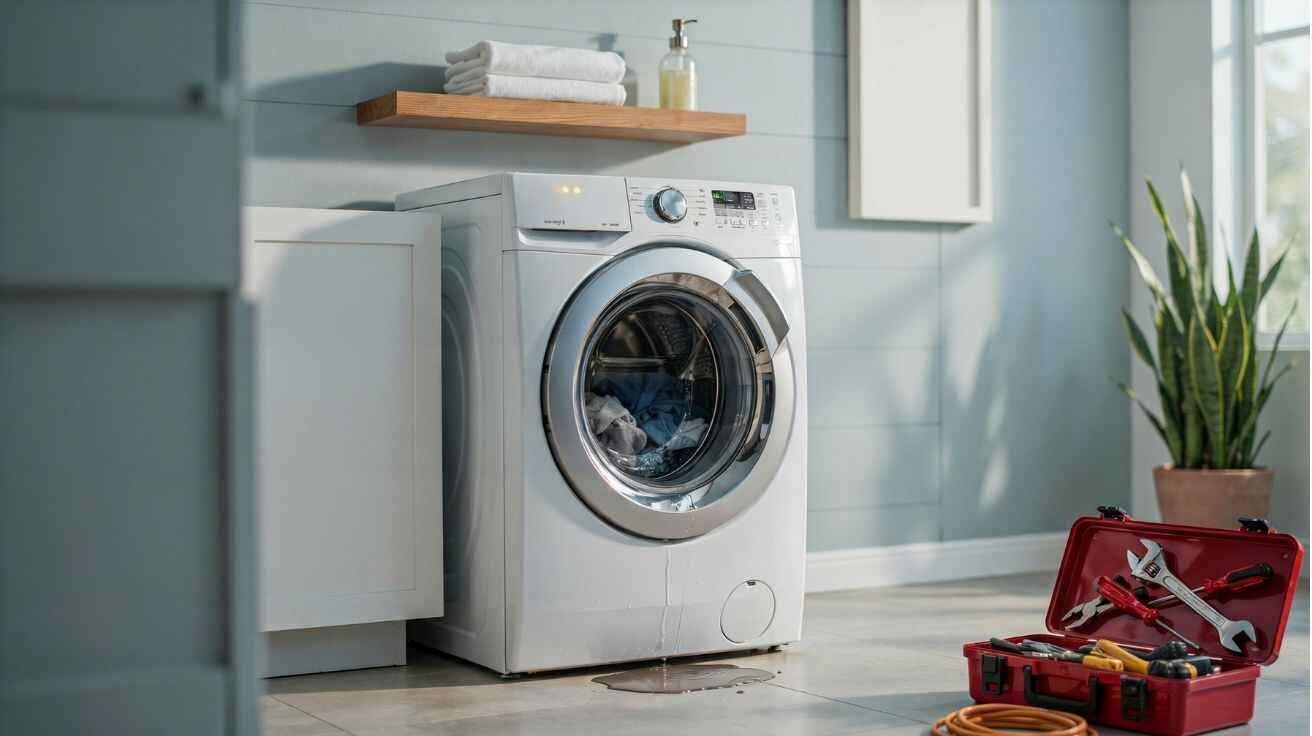
A washing machine may need repair if it is not spinning properly, making loud noises, leaking water, failing to drain, smelling bad, or stopping in the middle of a cycle. These issues can point to mechanical wear, drainage blockage, electrical faults, or sensor problems. Fixing them early can help prevent bigger repair costs and sudden breakdowns.
Signs Your Washer Needs Repair
A washing machine is one of the most important appliances in any home. When it works properly, laundry feels easy and routine. But when small problems begin to appear, they can quickly disturb your daily schedule.
Issues such as unusual noise, slow drainage, water leakage, or clothes coming out too wet should not be ignored. These are often early warning signs that your washer needs attention. In this guide, you will learn the main symptoms of washer problems, possible causes, basic DIY checks, and when it is better to call a professional technician.
Why Early Washer Repair Matters
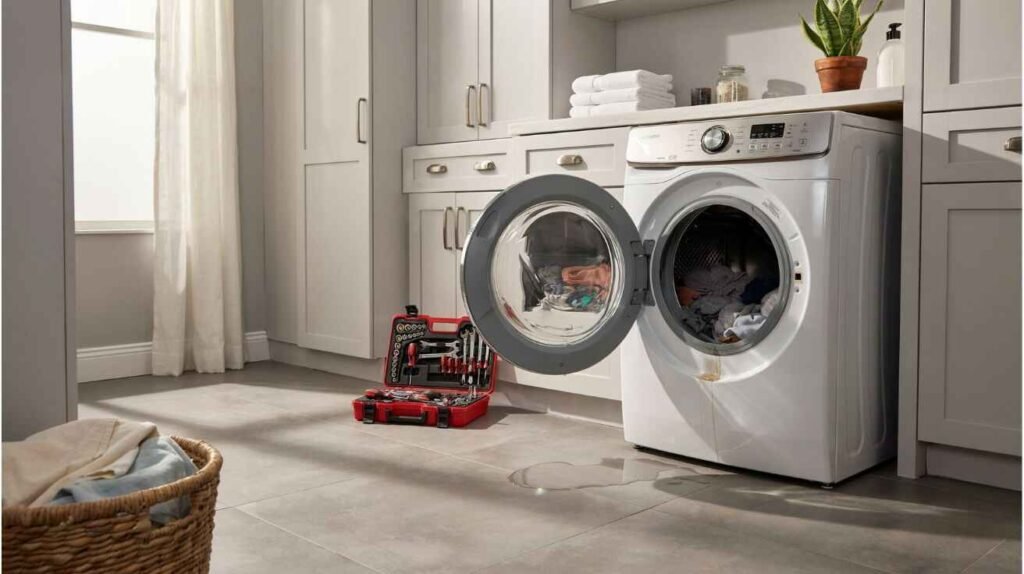
Ignoring small washer issues can lead to serious damage over time. A simple blocked filter, loose hose, or worn belt may later turn into a bigger mechanical or electrical problem.
Identifying problems early can help you:
- Save money on major repairs
- Improve washing performance
- Extend the life of your appliance
- Prevent water damage in your home
- Avoid sudden machine failure
Regular checking and basic maintenance can keep your washing machine running smoothly for a longer time.
Top Signs Your Washer Needs Repair
Below are the most common washer problems homeowners should watch for.
1. Washer Not Spinning Properly
If your clothes are still very wet after the wash cycle, the washer may not be spinning correctly. This problem affects both washing and drying performance.
Possible causes include:
- Worn drive belt
- Faulty motor
- Broken lid switch
- Overloaded drum
- Load imbalance
You can first try reducing the laundry load and restarting the cycle. If the problem continues, the machine may need professional inspection.
2. Loud Noise During Operation
A washing machine should make some sound while running, but loud banging, grinding, or shaking noises are not normal. These sounds usually mean that something inside the washer is loose, damaged, or unbalanced.
Common reasons include:
- Damaged drum bearings
- Loose internal parts
- Foreign objects stuck inside the drum
- Uneven floor level
- Worn suspension rods or shock absorbers
If the sound becomes louder with every cycle, stop using the washer and get it checked before the damage spreads.
3. Water Leaking From the Washer
Water leakage is one of the most serious washer problems because it can damage floors, walls, and nearby electrical parts. Even a small leak should be fixed quickly.
Possible causes include:
- Cracked inlet hose
- Damaged door seal
- Loose drain connection
- Faulty water pump
- Overfilled detergent drawer
Check the hoses and rubber seal first. If the leak is coming from underneath the machine, it may need a technician.
4. Washer Not Draining Water
If water stays inside the drum after the cycle ends, your washer has a drainage issue. This can leave clothes wet, smelly, and poorly washed.
Common causes include:
- Clogged drain hose
- Blocked filter
- Faulty drain pump
- Kinked pipe
- Small items stuck in the drainage system
Cleaning the drain filter may solve the issue. However, if the washer still does not drain, the pump or internal drainage system may be faulty.
5. Bad Smell Coming From the Machine
A bad smell from the washer is usually caused by moisture, detergent buildup, mold, or standing water. This problem is common in front-load washing machines and humid environments.
Possible reasons include:
- Mold around the rubber gasket
- Detergent residue inside the drum
- Dirty drain filter
- Standing water after wash cycles
- Keeping the door closed for too long
To reduce odor, clean the drum, wipe the door seal, and leave the washer door open after use so the inside can dry.
6. Washer Stops Mid-Cycle
A washer that stops suddenly during a cycle may have an electrical, sensor, or motor-related issue. This can happen because the machine is overheating, losing power, or detecting an internal fault.
Possible causes include:
- Faulty control board
- Overheating motor
- Power supply issue
- Door lock problem
- Sensor malfunction
Try resetting the machine once. If the problem happens again, avoid repeated use and call a repair expert.
Hidden Technical Problems in Washing Machines
Not every washer problem is visible from the outside. Some faults happen inside the machine and only show through error codes, poor performance, or repeated cycle failure.
Electrical Issues
Electrical faults can affect the washer’s performance and safety. These may include:
- Damaged wiring
- Faulty PCB or control board
- Power fluctuation damage
- Loose internal connections
If you notice burning smell, sparks, or repeated power failure, stop using the washer immediately.
Sensor Problems
Modern automatic washers depend on sensors to manage water level, load balance, cycle timing, and drum movement.
Common sensor-related issues include:
- Water level sensor failure
- Load imbalance detection error
- Door lock sensor fault
- Temperature sensor problem
- Cycle timing error
Sensor faults usually require professional diagnosis because they are linked with the washer’s electronic system.
DIY Checks Before Calling a Technician
Before spending money on repair, you can try a few simple checks at home.
- Make sure the power plug is properly connected
- Check if the washer is overloaded
- Clean the drain filter
- Inspect the water inlet hose
- Remove visible blockages
- Make sure the washer is placed on a level surface
- Restart or reset the machine
- Use the correct amount of detergent
These steps can solve minor issues. However, if the same problem returns, it may be a sign of a deeper fault.
When You Should Call a Professional
Call a professional technician if your washer has a burning smell, continuous water leakage, electrical sparks, repeated error codes, loud grinding noise, or the drum stops rotating. These problems can be unsafe and may cause further damage if ignored. For reliable washer repair, you can contact FixMaster Appliances, where trained technicians can inspect and fix the issue safely.
How to Prevent Washer Problems
Good maintenance can reduce repair issues and improve the life of your washing machine.
Follow these tips:
- Do not overload the drum
- Use the recommended detergent
- Clean the drum regularly
- Wipe the rubber seal after washing
- Keep the door open after use
- Check hoses every month
- Clean the drain filter when needed
- Run a maintenance cycle regularly
- Keep the machine on a balanced surface
Small maintenance habits can prevent many common washer problems.
FAQs
1. What are the early signs of washing machine failure?
Early signs include loud noise, slow spinning, water leakage, poor drainage, bad smell, and the washer stopping during a cycle.
2. Why is my washer shaking violently?
A washer may shake violently because of an unbalanced load, uneven flooring, worn suspension parts, or overloading.
3. Can I still use a leaking washing machine?
It is not recommended to use a leaking washer because water can damage electrical parts, flooring, and nearby appliances.
4. Why does my washer smell bad even after cleaning?
Bad smell may continue if mold, detergent residue, or standing water is trapped inside the rubber seal, drain filter, or drum.
5. How long does a washing machine usually last?
Most washing machines last around 8 to 12 years, depending on usage, maintenance, brand quality, and repair history.