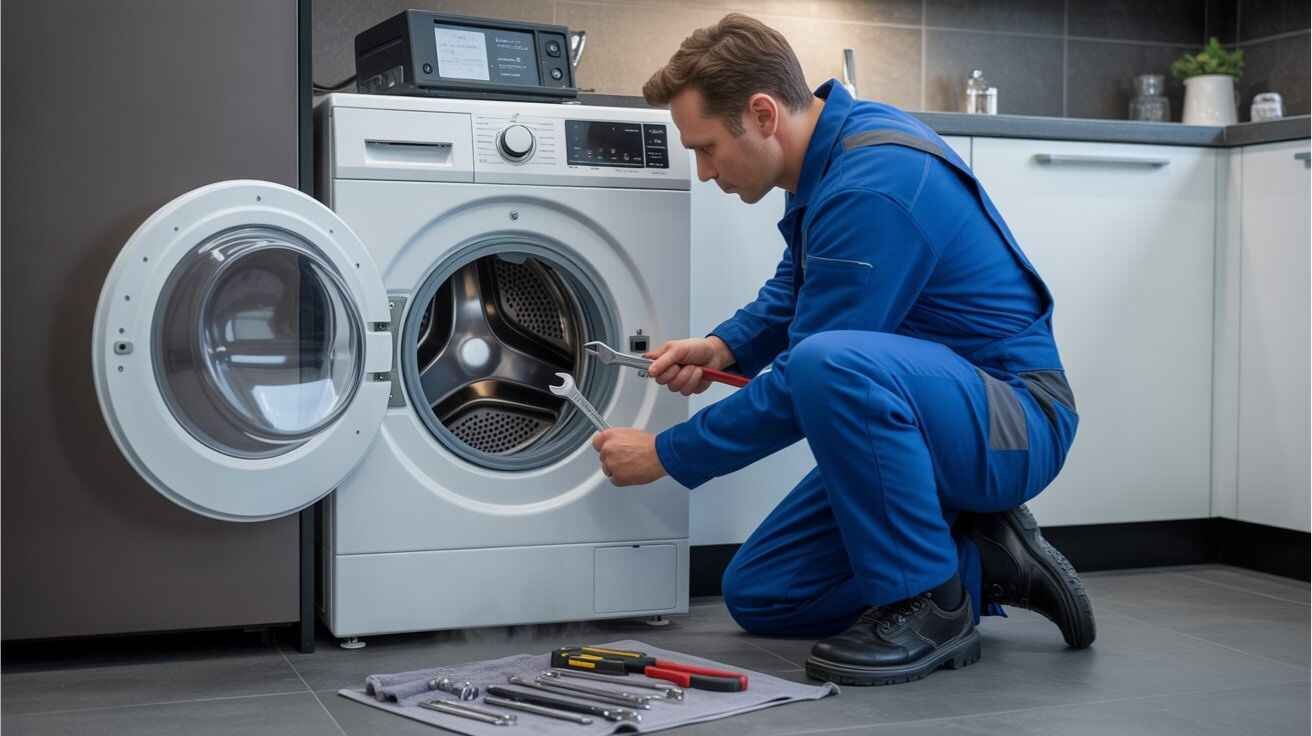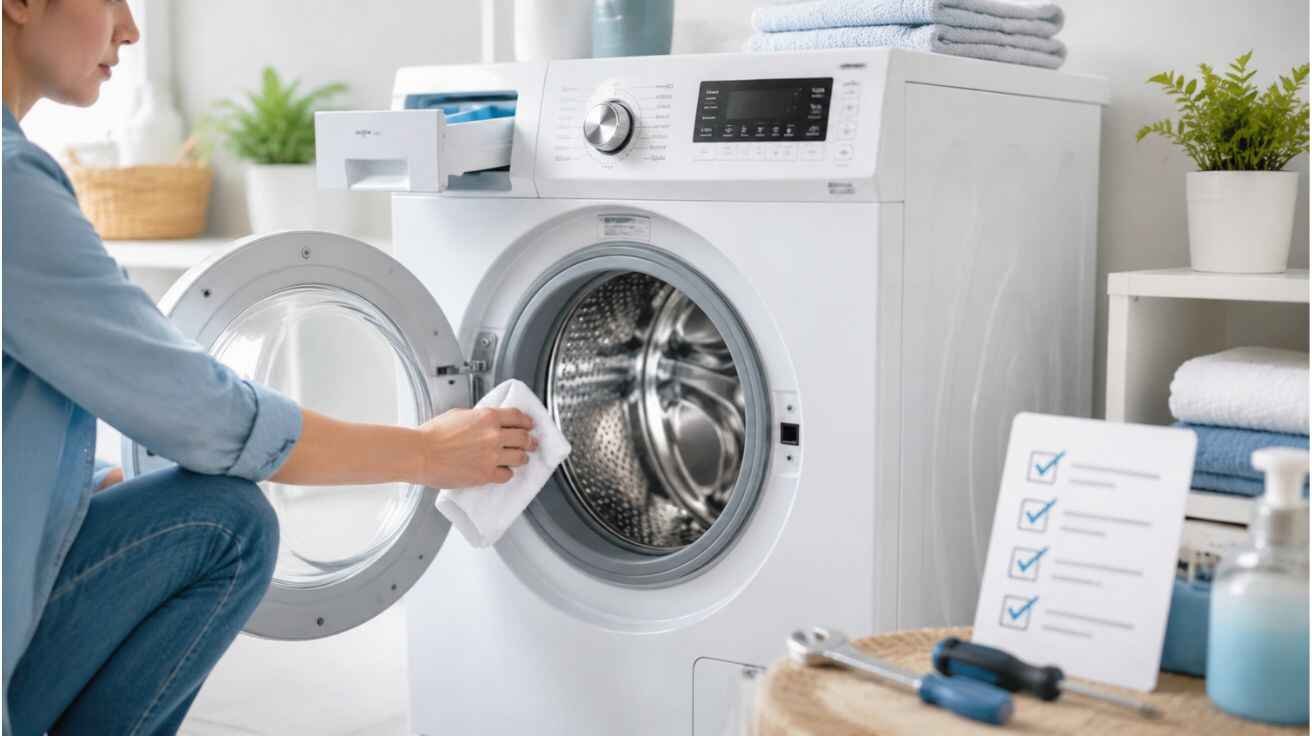
To extend washing machine life, avoid overloading, use correct detergent amounts, clean the drum monthly, wipe the rubber seal, clean the filter regularly, keep the machine level, and leave the door open after each wash. These habits reduce stress on the motor, drum, pump, and seals, significantly increasing lifespan.
Why Washing Machine Maintenance Matters
A washing machine is one of the most frequently used home appliances, and its lifespan depends heavily on usage habits and maintenance. On average, a well-maintained machine can last 8–12 years, but poor care can reduce this to less than 5 years. Most failures are not sudden they develop slowly due to neglect.
This guide explains practical, technician-approved methods to extend washing machine life and avoid costly repairs.
Why Washing Machines Break Early
Most washing machines do not fail because of one big mistake. They usually break down because of repeated small mistakes.
Common causes include:
- Overloading the drum
- Using too much detergent
- Ignoring the drain filter
- Leaving wet clothes inside
- Not cleaning the rubber seal
- Washing heavy items incorrectly
- Using the wrong cycle
- Letting the washer vibrate on an uneven floor
- Ignoring small leaks or noises
- Never running a maintenance wash
These habits slowly damage the pump, bearings, suspension, motor, seals, hoses, and internal sensors.
Essential 15 Maintenance Tips for Long Washing Machine Life
1. Do Not Overload the Machine
Overloading is the number one cause of mechanical stress.
When the drum is packed tightly:
- Motor works harder
- Drum becomes unbalanced
- Bearings wear faster
- Spin cycle becomes inefficient
Rule: Leave a small gap at the top of the drum so clothes move freely.
2. Use the Right Amount of Detergent
More detergent does NOT mean cleaner clothes.
Excess detergent causes:
- Soap residue buildup
- Bad smell inside drum
- Blocked hoses and filters
- Poor rinsing performance
Use HE detergent for modern machines and follow dosage instructions carefully.
3. Clean the Drum Monthly
A washing machine drum collects:
- Dirt
- Lint
- Detergent residue
- Bacteria
Run a “Tub Clean” or “Drum Clean” cycle once a month to prevent odor and buildup. This improves performance and hygiene.
4. Leave Door Open After Washing
Moisture trapped inside the machine leads to mold and bad odor.
After every wash:
- Remove clothes immediately
- Leave door slightly open
- Allow airflow inside drum
This prevents bacterial growth and rubber seal damage.
5. Clean the Rubber Seal
Front-load machines have a rubber gasket that traps:
- Hair
- Dirt
- Water
- Detergent residue
Wipe it weekly to prevent:
- Mold formation
- Leakage
- Smell buildup
6. Clean Detergent Drawer
Detergent and fabric softener leave sticky residue over time.
Clean monthly to avoid:
- Blocked detergent flow
- Mold inside drawer
- Poor washing performance
7. Clean Drain Filter Regularly
The drain filter collects:
- Coins
- Buttons
- Lint
- Hair
If blocked, it causes:
- Drainage issues
- Error codes
- Pump damage
Clean every 2–3 months.
8. Check Clothes Pockets
Small objects can damage internal components.
Always check for:
- Coins
- Keys
- Tissue paper
- Pins
These can damage the pump and drum.
9. Keep Machine Level
An unbalanced washing machine causes:
- Excess vibration
- Loud noise
- Structural damage
Adjust feet so the machine sits firmly on the floor.
10. Wash Heavy Items Separately
Heavy items like blankets and towels should not be mixed with light clothes.
This prevents:
- Drum imbalance
- Motor strain
- Poor spin performance
11. Use Correct Wash Cycle
Different fabrics require different settings.
Using wrong cycles causes:
- Fabric damage
- Motor overload
- Inefficient cleaning
Always match cycle with fabric type.
12. Do Not Leave Wet Clothes Inside
Leaving clothes inside causes:
- Bad smell
- Mold growth
- Drum contamination
Remove laundry immediately after cycle ends.
13. Inspect Water Hoses
Check hoses for:
- Cracks
- Leaks
- Bulging
Replace damaged hoses immediately to prevent water damage and machine failure.
14. Protect Against Hard Water
Hard water causes limescale buildup inside:
- Drum
- Heater
- Pipes
Use descaling products if you live in a hard-water area.
15. Respond to Early Warning Signs
Do not ignore:
- Unusual noise
- Vibration
- Slow drainage
- Burning smell
Early repair prevents major breakdowns.
Front-Load vs Top-Load Washer Maintenance
Both front-load and top-load washing machines need care, but the problem areas are slightly different.
Front-load washer care
Front-load washers usually need more attention to the door seal. The rubber gasket can trap water, lint, and residue. Always leave the door open, wipe the seal, and clean the drain filter if your model has one.
Top-load washer care
Top-load washers may not have the same front gasket problem, but they still need drum cleaning, balanced loading, detergent control, and hose inspection. If your top-loader has an agitator, avoid wrapping clothes tightly around it.
Maintenance Schedule
After every wash:
- Remove clothes
- Leave door open
- Wipe seal
Weekly:
- Clean exterior
- Check drum
Monthly:
- Drum clean cycle
- Clean detergent drawer
Every 2–3 months:
- Clean drain filter
- Inspect hoses
Common Mistakes to Avoid
Avoid these mistakes:
- Filling the drum too tightly
- Using too much detergent
- Leaving wet clothes overnight repeatedly
- Closing the door immediately after washing
- Ignoring the drain filter
- Washing heavy rugs at home
- Using the wrong detergent
- Never cleaning the drum
- Ignoring vibration
- Letting small leaks continue
- Washing items with coins or metal objects
- Using fabric softener excessively
- Not reading the manual
- Ignoring hard water buildup
- Running back-to-back heavy cycles without giving the machine rest
FAQs
1. How can I make my washing machine last longer?
Avoid overloading, use proper detergent, clean the drum monthly, and maintain filters and seals regularly.
2. How often should I clean my washing machine?
Drum monthly, detergent drawer monthly, and drain filter every 2–3 months.
3. Why does my washing machine smell bad?
Usually due to detergent buildup, moisture, or dirty rubber seals.
4. Is it bad to leave clothes inside the machine?
Yes, it causes odor, bacteria growth, and fabric damage.
Conclusion
Extending washing machine life is not about complex repairs, it is about consistent habits. Proper loading, cleaning routines, and early problem detection can significantly increase durability and performance. A well-maintained washing machine not only lasts longer but also cleans more efficiently and uses less energy.